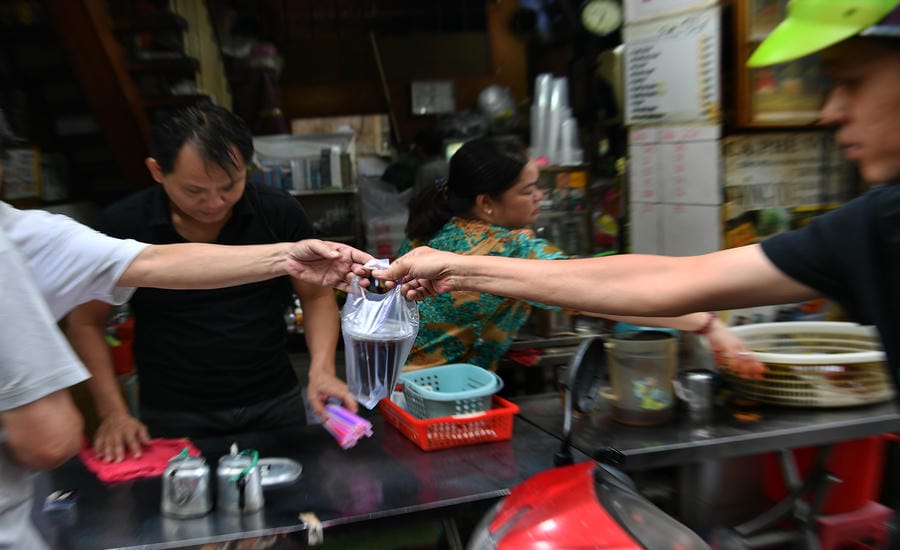
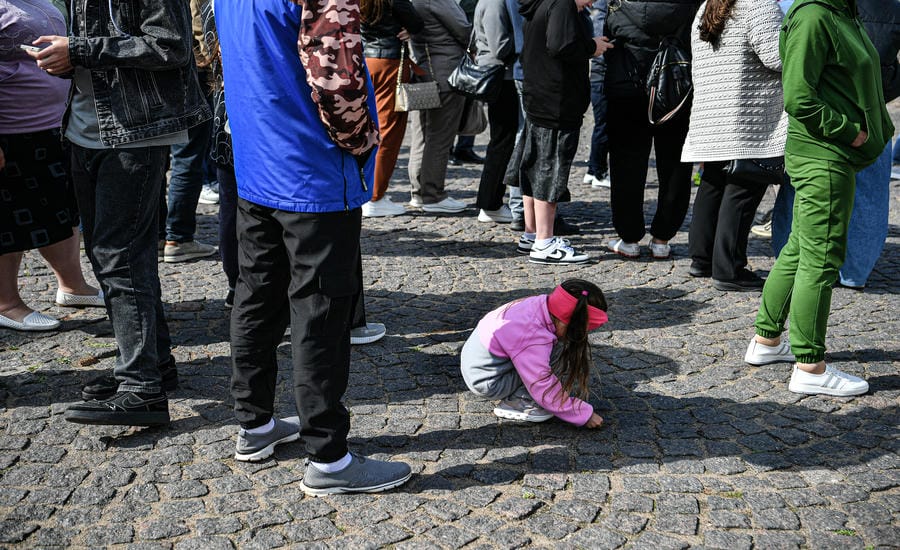
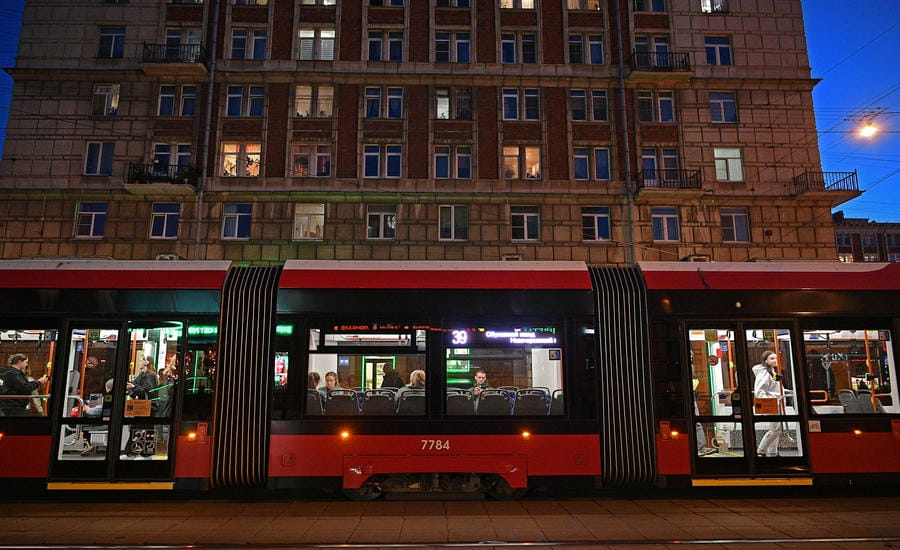
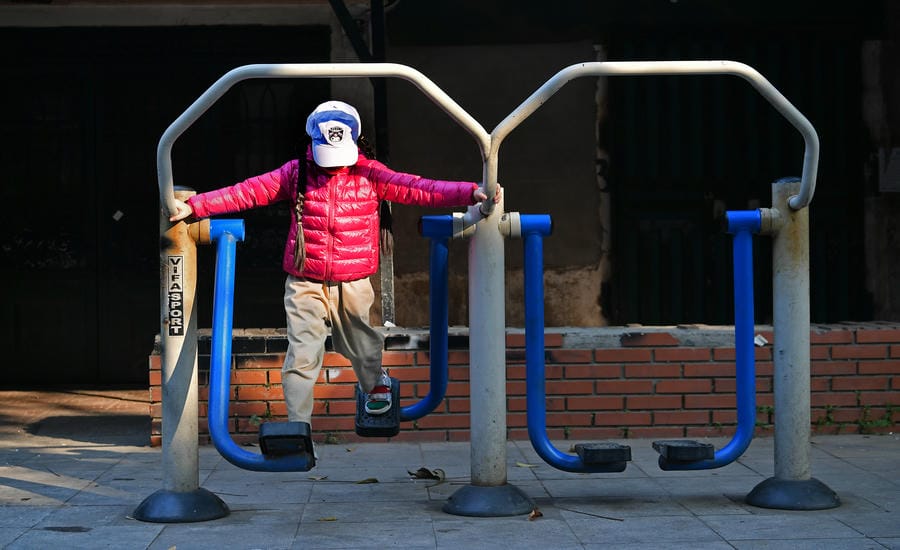
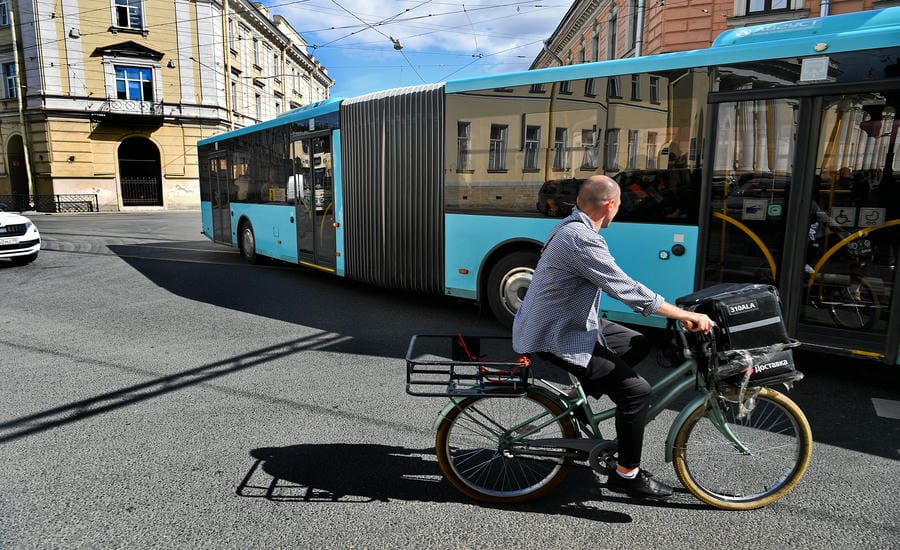
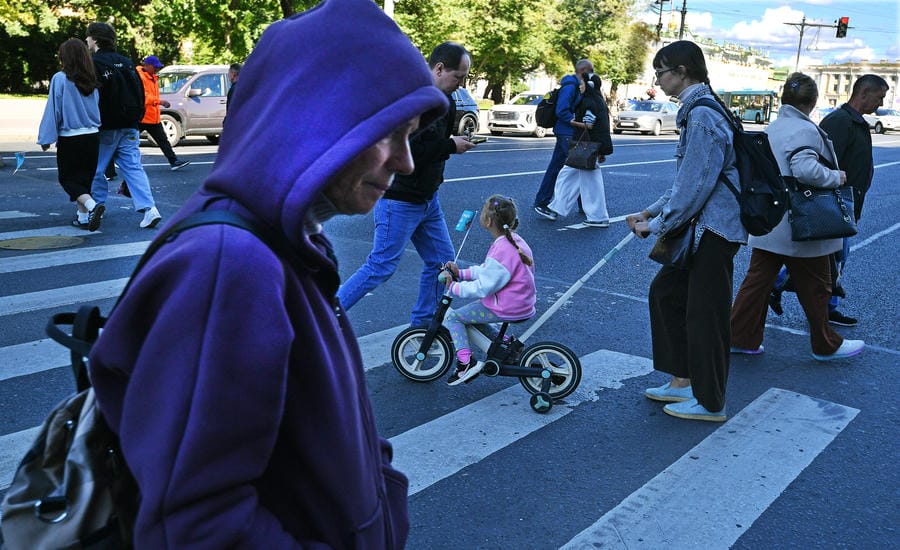
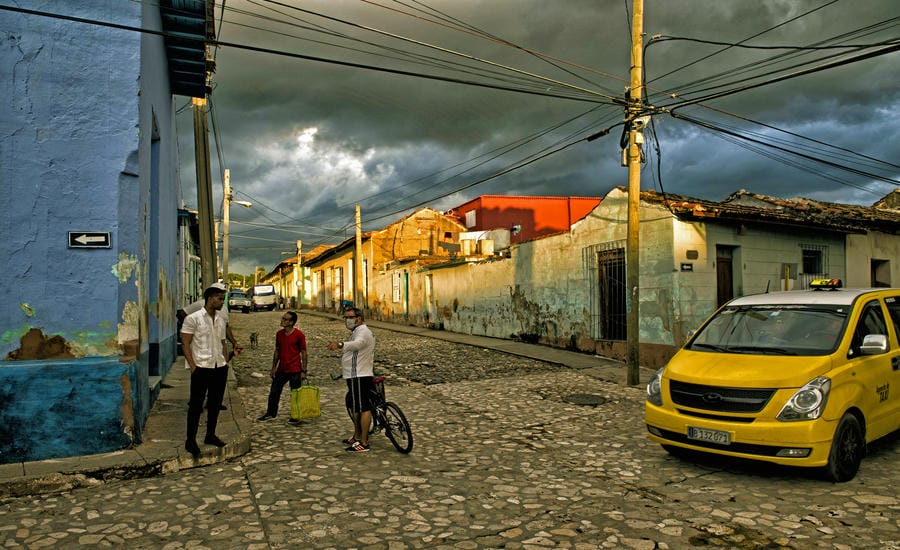
During rush hour, a small child cycles across the crossing line among the hurried adults. In another place, also a child, but sitting lost in the crowd, bowing to the ground, sinking into his own world, as if separated from everyone around. Two images in two different spaces, again evoke the same feeling of individual smallness before the collective flow. A bus passes through the city when it is just dark, carrying passengers with their own rhythm of life; each window is like a small story, separated but floating together in a common movement. At another street corner, a customer quickly buys a cup of coffee to take away before going to work.
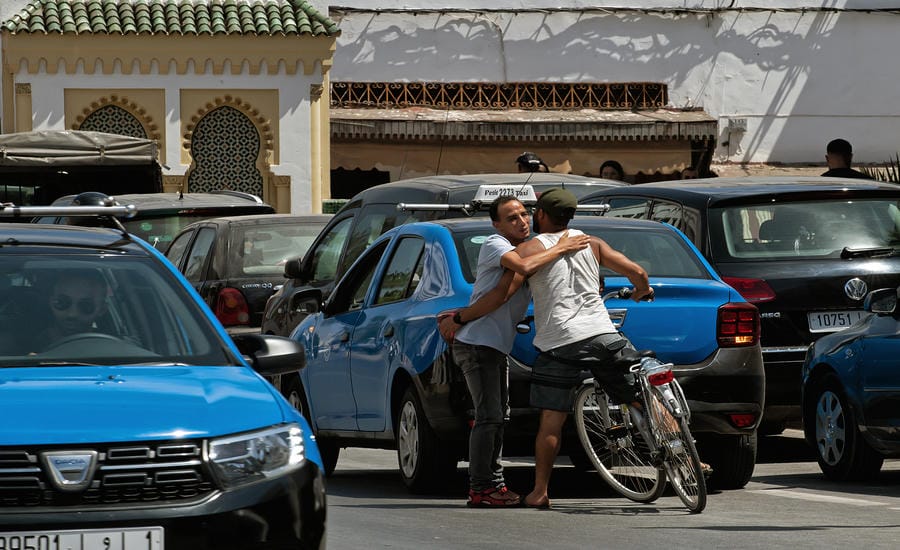
Not only movement, it is also moments of people touching each other. It is a hug in the streets of Morocco, when two men stop in the middle of a crowded traffic flow to give each other an intimate moment. Maybe they haven't seen each other for a long time, but through their eyes and hugs, we can feel the bond between the two people. In a always bustling city, this slowdown image becomes special.
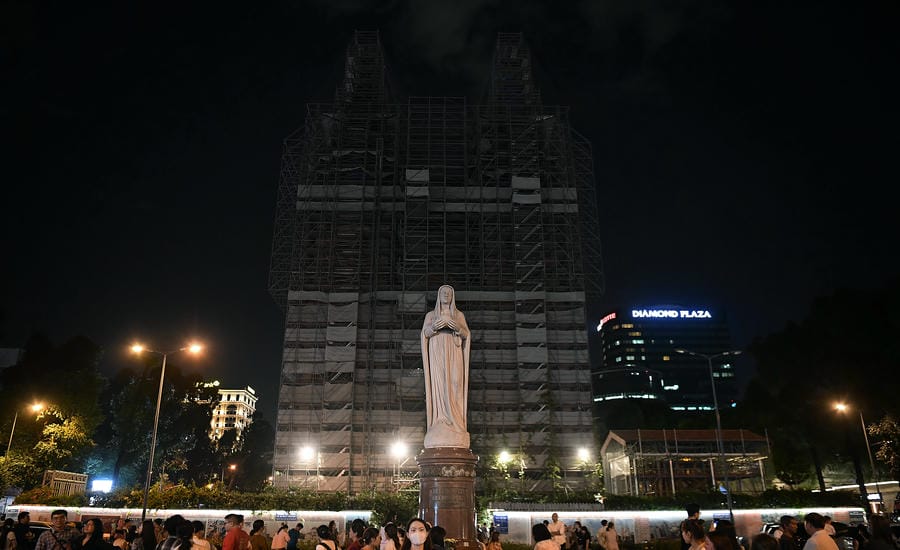
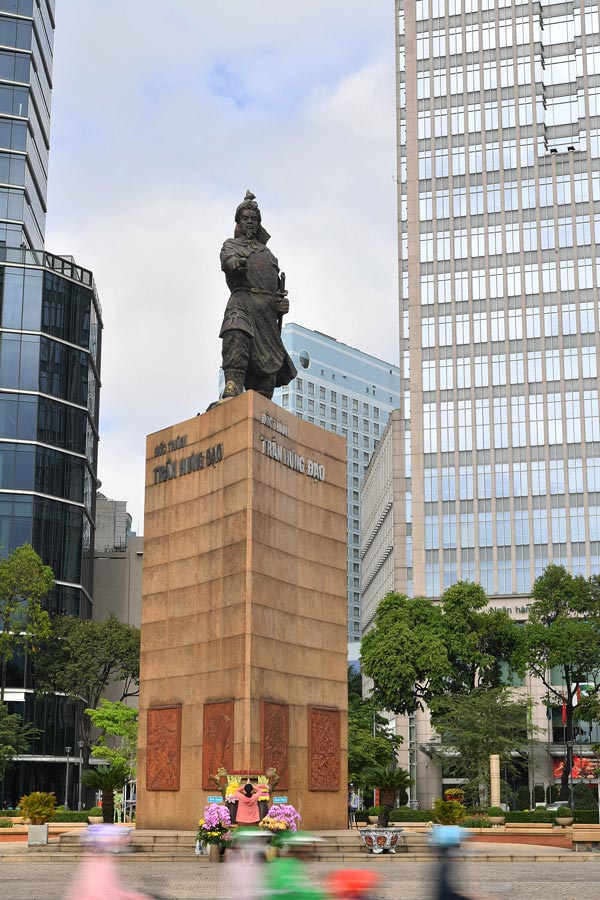
In other scenes, people appear as a small part of larger structures. It is the image of a woman clasping her hands respectfully in front of the statue of Saint Tran Hung Dao, or a crowd walking in front of the statue of Our Lady Mary at Notre Dame Cathedral. These images not only talk about space, but also evoke a transition between the old and the new, between belief and development, between the individual and the system.
Although taken in many countries, here Lao Dong Newspaper reporters do not emphasize cultural differences, but want to mention similarities. Everywhere, people are busy, also find ways to connect, there are also very short moments of stopping in a constantly moving world. Perhaps, in those "intersections", between walking and stopping, between strangeness and closeness; human life becomes clearer. And also there, things that seem very small have a greater meaning than we think.