
Street food has conquered foreign tourists, keeping them staying in Vietnam longer and increasing the demand for returns. Delicious food is also the best way to introduce the image of a beautiful and prosperous Vietnam internationally very effectively.
To achieve that success, chefs and restaurant owners have had to make great efforts in finding and introducing the quintessential values of traditional cuisine to bring them to the National Table, and at the same time tell cultural stories of Vietnamese cuisine to diners with images, colors and flavors.
On the occasion of Binh Ngo Tet 2026, Lao Dong Newspaper talked with journalist Nguyen Vinh Quyen and Ms. Pham Bich Hanh - owner of the Quan An Ngon system about the journey of praising the quintessence of Vietnamese cuisine, developing traditional cuisine in a modern space while still preserving its identity.
NO BANH CHUNG, NO VIETNAMESE TET
If you had to tell a story about Vietnamese cuisine at this time, what would you tell?
- Journalist Vinh Quyen:
This time is the time near Tet, which means we are reaching the most important bottleneck of cuisine and cooking, which is to prepare for the traditional Tet - the most important ritual event of the year with lavish feasts and dishes used for worship such as banh chung.
Therefore, the story I choose to tell will be banh chung, a sacred item indispensable during Vietnamese Tet. We may not have a plate of sticky rice, a boiled chicken or a full tray of offerings, but it is mandatory to have banh chung to worship heaven and earth, ancestors during Tet. "Without banh chung, Tet will not be a Tet" is a precept passed down from generation to generation in the behavior and culture of celebrating Tet Nguyen Dan.
I think that the reason why banh chung plays the role of "high at the top" is not because it was created by King Hung the 7th, but because it is the crystallization of the wet rice civilization of Vietnamese people. Sticky rice grains, green beans, fatty pork, bamboo strings, dong leaves, pepper, fish sauce, that is the identification of agriculture, whether something comes from the plains, something comes from mountains and forests, or something comes from the sea.
And then, everything is wrapped in dong leaves, leaves with veins like mackerel feathers, slender but flexible, not mushy in boiling water, not discolored by heat, and can also transmit green color to the cake coat. Therefore, the word "dong" in dong leaves can be related to the word "dung" of tolerance.
The dong leaves that shelter everything in my heart are also the image of compatriots, a hundred children sharing one bundle of mother Au Co. That bundle is solidified by bamboo fibers that have been soaked in water to soften according to the original term "soft bundle tied tightly" in the Vietnamese people's view of life.
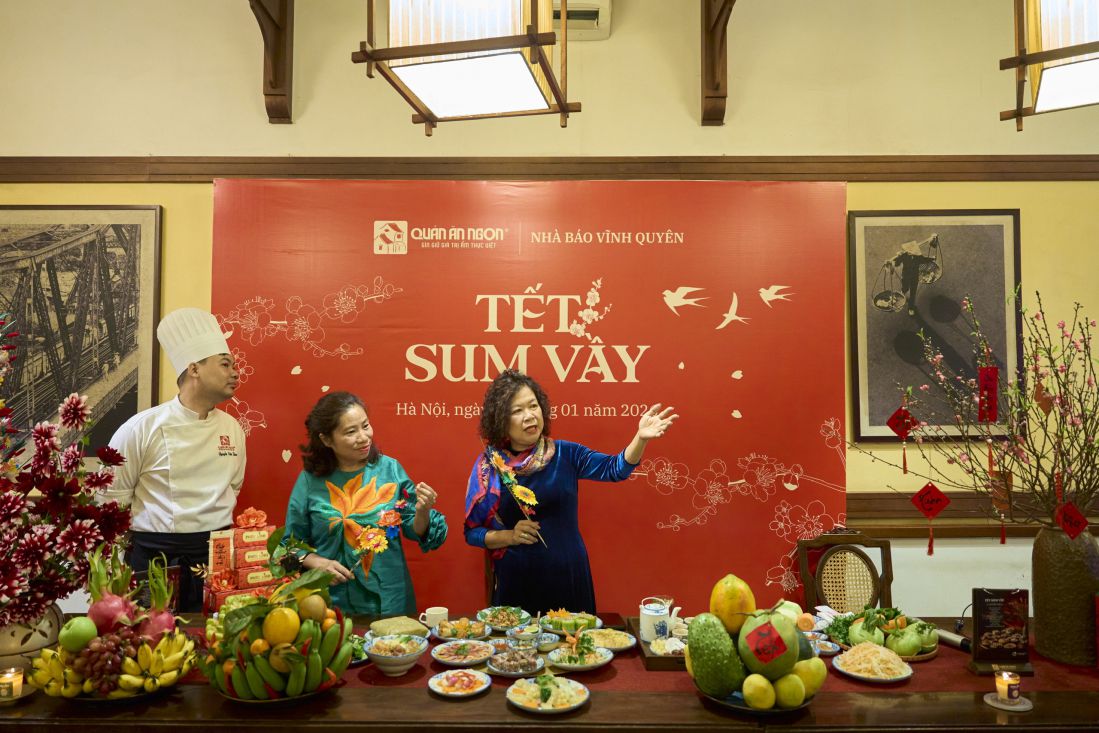
- Ms. Pham Thi Hanh:
It's interesting, Ms. Vinh Quyen has told a multi-layered cultural story just from a banh chung cake. I really like the concept of "soft strand tied tightly" that Ms. Vinh Quyen just mentioned because I suddenly realized that softness is the basic nature of cuisine and cooking. Almost all dishes must be soft, only then can they "tie" every stomach, and then every heart.
Speaking of banh chung, I also realize that my ancestors are very sophisticated when using bamboo strings to tie, not other strings. When peeling banh chung, the ancestors will strip the strings into small strands, and then place them diagonally in turn so that banh chung can be cut into pieces, which is very convenient and neat.
- Journalist Vinh Quyen:
See, Ms. Hanh, with the flexibility of banh chung, it is difficult to use a knife to cut out a beautiful piece of cake. Only the bamboo string split from the bamboo tube can perform that task. Moreover, with a square banh chung symbolizing Earth according to Lang Lieu's thinking, the string has visualized that thought.
If tied with simple bamboo strings, one string in each direction, we will see banh chung bearing the shape of the word Dien. If tied with double bamboo strings, two strings in each direction, then the shape of the word Tinh (including 9 squares) is created, which was originally a division of fields from ancient times, a field divided into 9 areas, 8 surrounding areas divided among 8 households to cultivate separately, and the central area is called cong dien (common fields) because 8 households cultivate together to get rice to pay taxes and worship.
Arranging bamboo strings as Ms. Hanh said is also telling about the farming methods of her ancestors. When pulling bamboo strings, you must follow order, otherwise everything will be ruined. Pulling correctly will get a neat, sharp piece of cake, enough lean fat, sticky beans, very fair and true to the spirit of "The Earth is 4 directions, 8 directions".
THE BOWL OF FISH SAUCE OF SHARING
Listening to the two sisters talk about the story of banh chung, I clearly see that Vietnamese cuisine contains a lot of culture, philosophy, and humanistic views of Vietnamese people in it.
- Ms. Pham Thi Hanh:
That's right! As a food businessman for more than 20 years, I always vow that: In our country, every region has different delicious dishes and each delicious dish contains a story or a cultural feature. So why don't we spread those stories?
So Quan An Ngon was born so that customers could enjoy delicious dishes of the whole country at one location. My purpose is to do business, but I always uphold the mission of bringing delicious dishes from all regions to introduce to everyone and to let the dish itself tell its story through flavor.
Many people are very surprised when coming to Hanoi and still enjoying the excellent banh xeo of Mekong Delta artisans pouring banh xeo at the restaurant, and then understand the "xeo xeo" sound that creates the name banh xeo, as well as the liberal, fresh, and crispy culinary culture of the Mekong Delta.
- Journalist Vinh Quyen:
In this aspect, I would like to tell the story of the fish sauce bowl in Vietnamese daily meals or feasts. Vietnamese cuisine favors dipping, almost every dish has its own dipping sauce, except for soup and savory food.
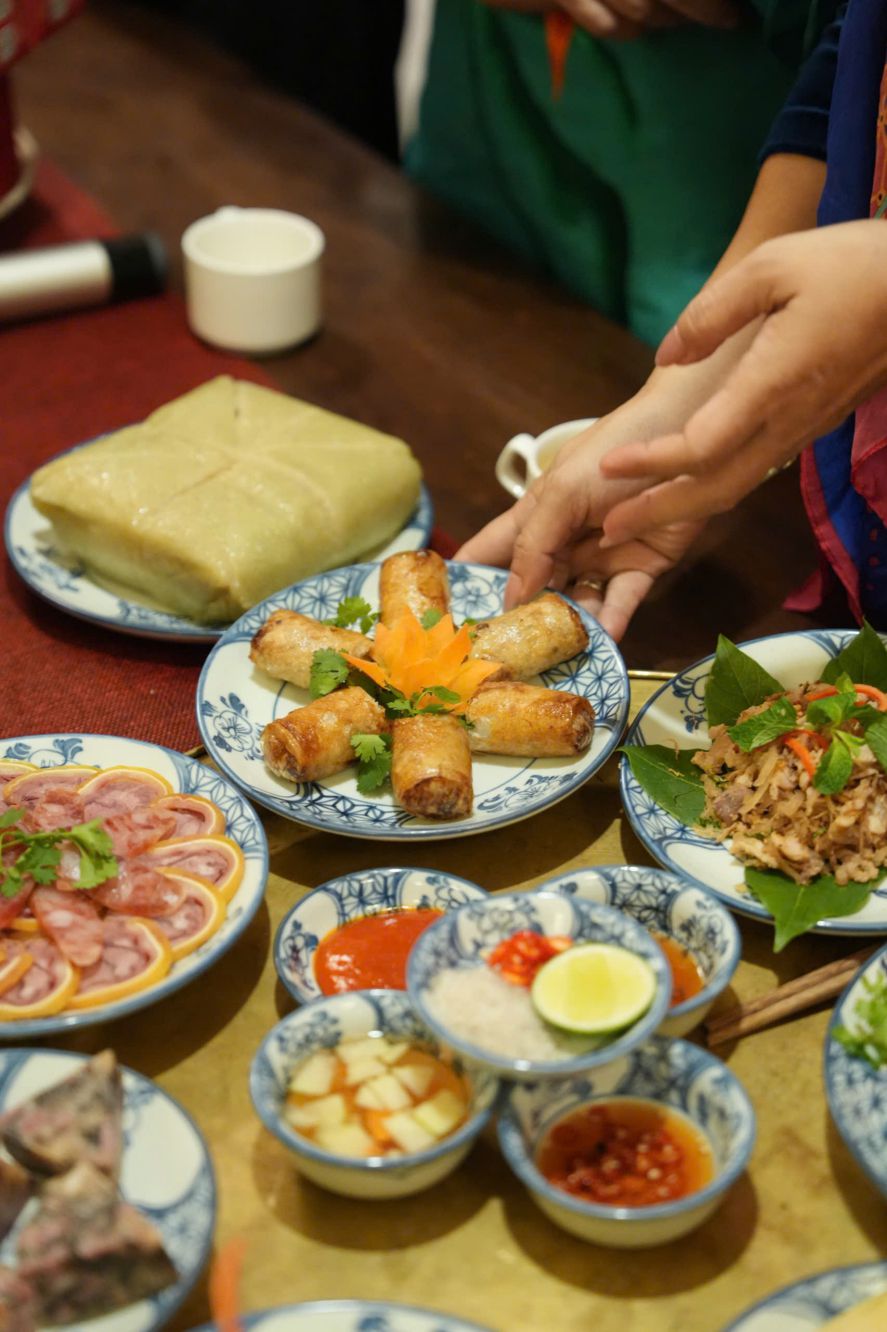
Looking at the structure of a tray of rice including boiled water spinach, fried tofu, fried eggs for example, we have seen 3 dipping bowls: crocodile plum fish sauce dipped in vegetables, shrimp paste dipped in tofu, fish sauce or soy sauce dipped in eggs. Switching to the feast tray with chicken dishes (salt, pepper, lemon), spring rolls, spring rolls rolls (sour and sweet dipping sauce), spring rolls (fish sauce, pepper)... you see even more dipping containers.
Therefore, it is not possible to arrange a separate dipping sauce set for each person, but everyone dishes it together. Many young people now say that dipping sauce in a bowl together is unsanitary, but in fact, they have been eroded in family culture in eating and through the dipping sauce bowl.
The fish sauce bowl is always placed in the middle of the tray for everyone to conveniently dip and has a connection to family members. A meal with guests also only has 1 bowl of fish sauce to imply that the family shares sweetness and bitterness with guests, and the saltiness of the fish sauce expresses that sharing.
- Ms. Pham Thi Hanh:
I often encounter strange eyes from foreign guests when they see the whole dining table sharing one bowl of fish sauce. At that time, I will explain to them about the custom of "the whole family sharing one bowl of fish sauce" of Vietnamese people, about the cultural aspects hidden in it.
However, there are things that we also need to adjust to suit the new conditions but still have to maintain traditional identity. I adjusted the small dipping sauce bowl to a large dipping sauce bowl, and when using, each person still takes the dipping sauce from the large bowl to their own small bowl. The spirit of sharing and connection of the dipping sauce bowl remains intact but satisfies everyone.
But just adjusting like that, not radically changing to "polish the feet to fit the shoes". We introduce Vietnamese delicacies and only serve them in a Vietnamese style. And it's very good that foreign tourists are very receptive to that rule, and understand its beauty.
For example, I remember once the Prime Minister of the Kingdom of Luxembourg came to my restaurant to eat fish cakes. He asked to eat fish cakes with lemon-squeezed shrimp paste foaming and lots of fresh chili. He smelled the shrimp paste bowl with enthusiasm and then shared it with everyone in the delegation as if sharing the secret to eating the best fish cakes.
PRESERVING THE QUINTESSENCE OF VIETNAMESE CUISINE
Is eating the right Vietnamese dishes the motivation for you two to organize culinary performance workshops in the past year?
- Ms. Pham Thi Hanh:
Both sisters, although of different generations, are both Hanoi women who are good at cooking and love to eat well, especially traditional dishes of the elders. Therefore, we cannot help but worry when we see many dishes gradually disappearing or being "creative" to the point of being bizarre.
Each dish has a story and a cultural feature, therefore, when distorting a dish, it is distorting culture. We cannot turn a bowl of cold snail noodle soup in the culture of eating for fun, eating flavors and flowers into a fuel-filling scene with raw beef or pork ear in that bowl of noodle soup.
Therefore, when I encountered Ms. Vinh Quyen's sharing about preserving traditional culinary culture, I was very impressed. From then on, the cooperation in Vietnamese cuisine appeared with the mission of introducing the sophisticated, quintessential cuisine of Vietnam and the cultural layers in the dish.
- Journalist Vinh Quyen:
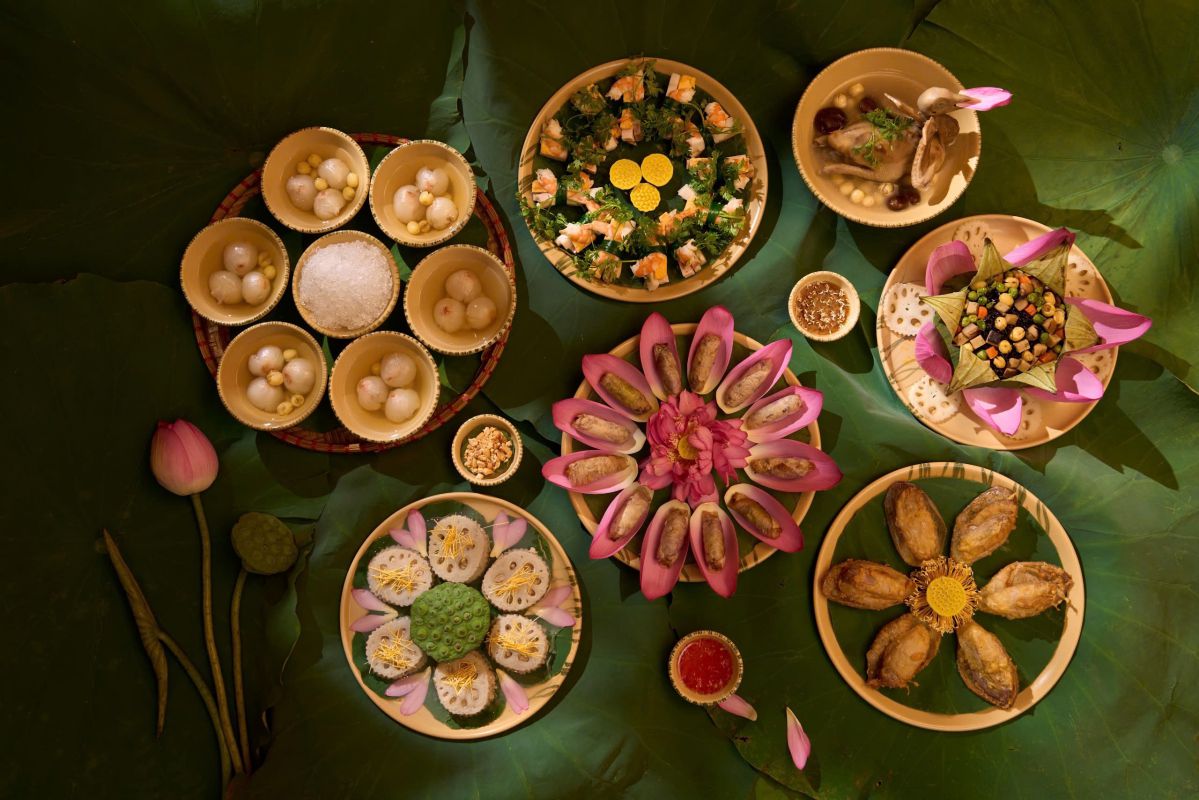
A hand clapping without noise, so I am very happy to have Ms. Hanh clapping together. We have organized culinary workshops about the Doan Ngo Tet with very elegant duck dishes of our ancestors and the culture of worshiping the Fire God in the wet rice civilization or a lotus tray with dishes made from the national flower.
There are also workshops connecting cuisine with history and holidays such as: Independence Day meal 2-9, Vu Lan festival, Mid-Autumn Festival... The dishes, processing methods, arrangements, and enjoyments are all illustrated with stories and meanings conveyed inside so that everyone, especially the younger generation, understands correctly and continues to preserve them.
- Ms. Pham Thi Hanh:
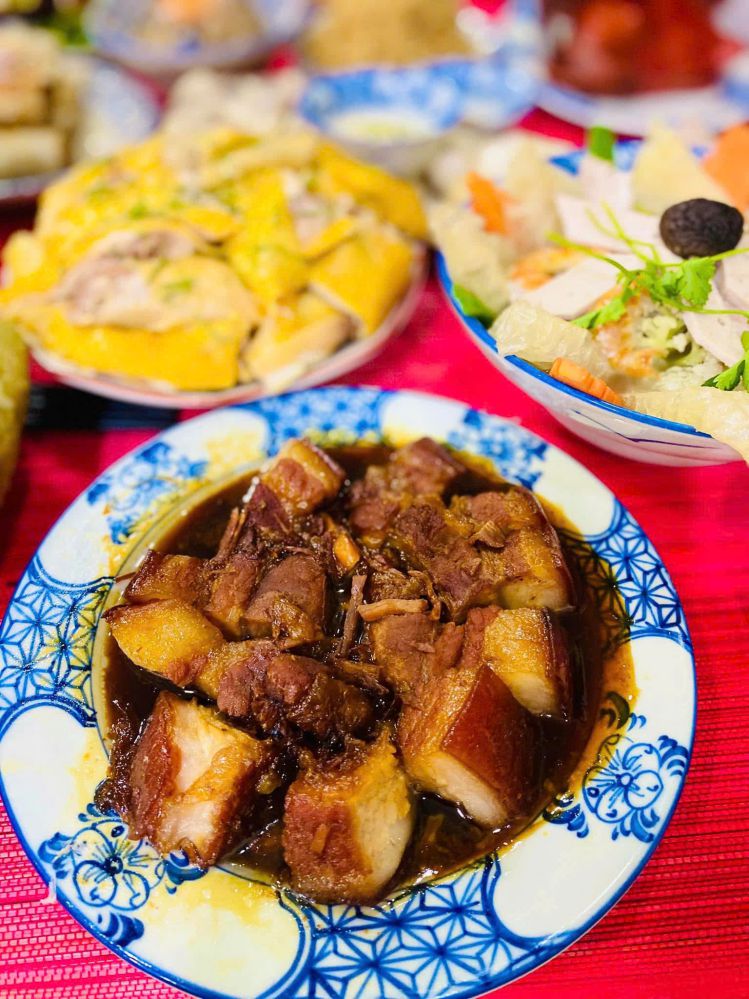
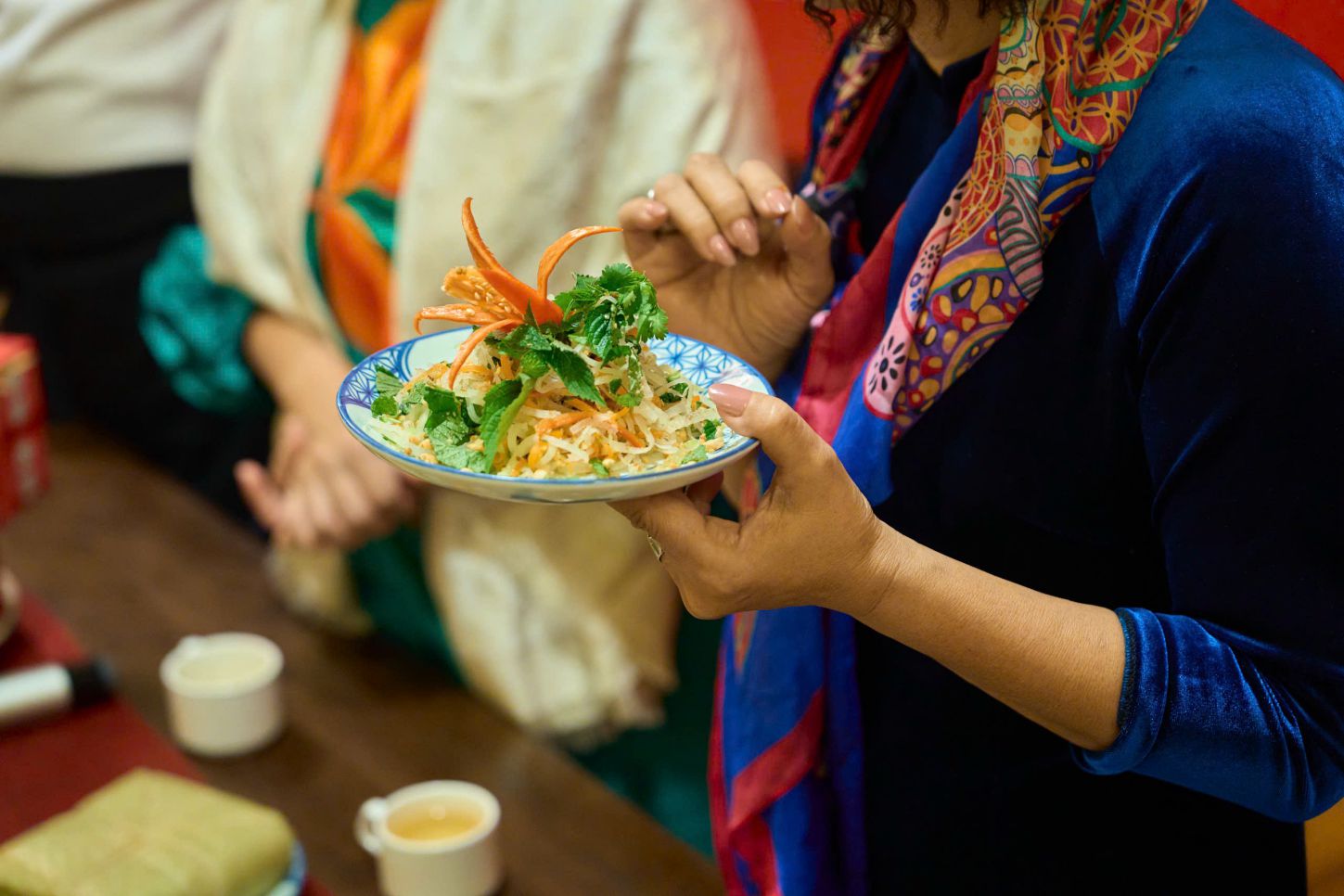
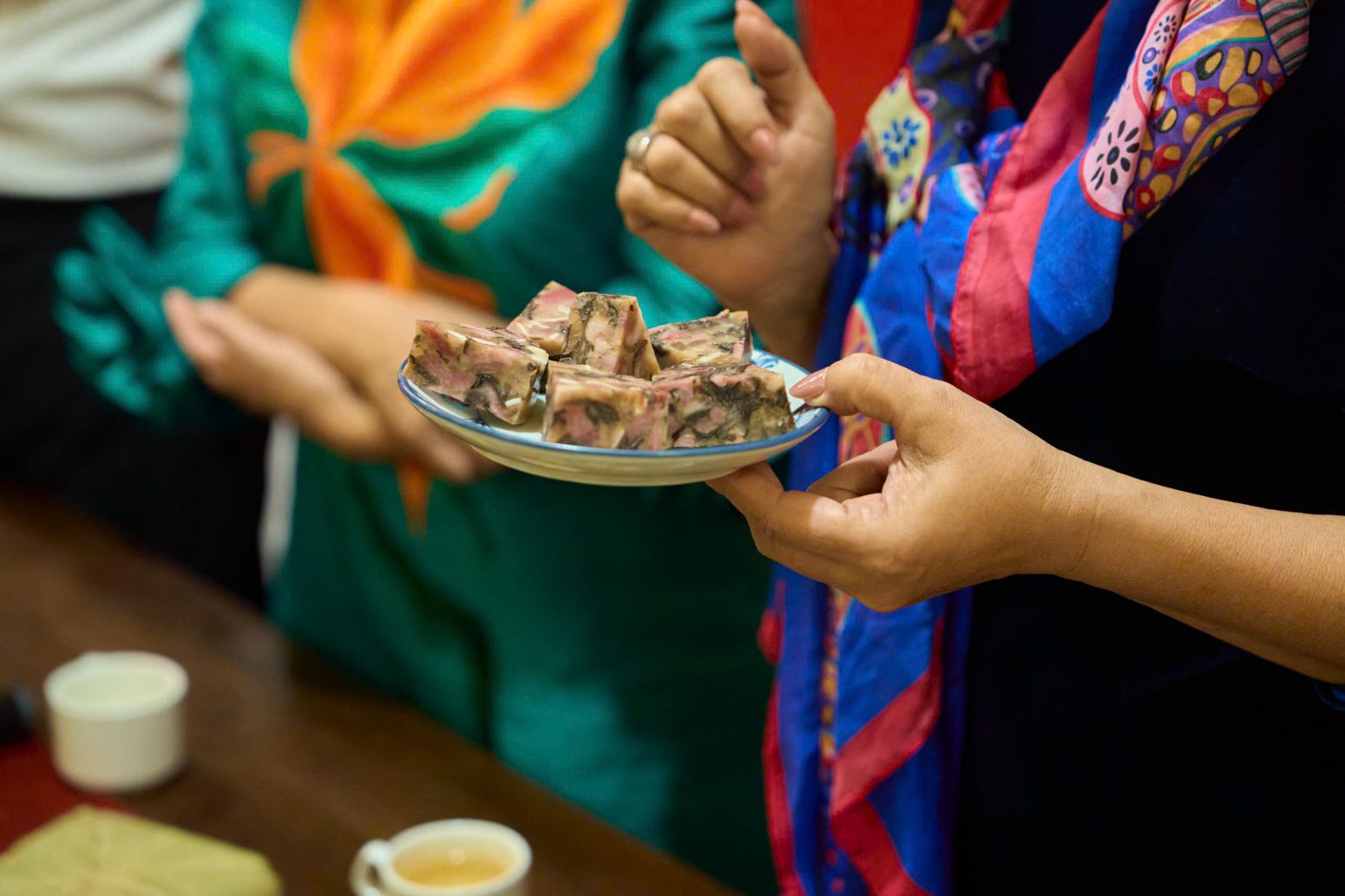
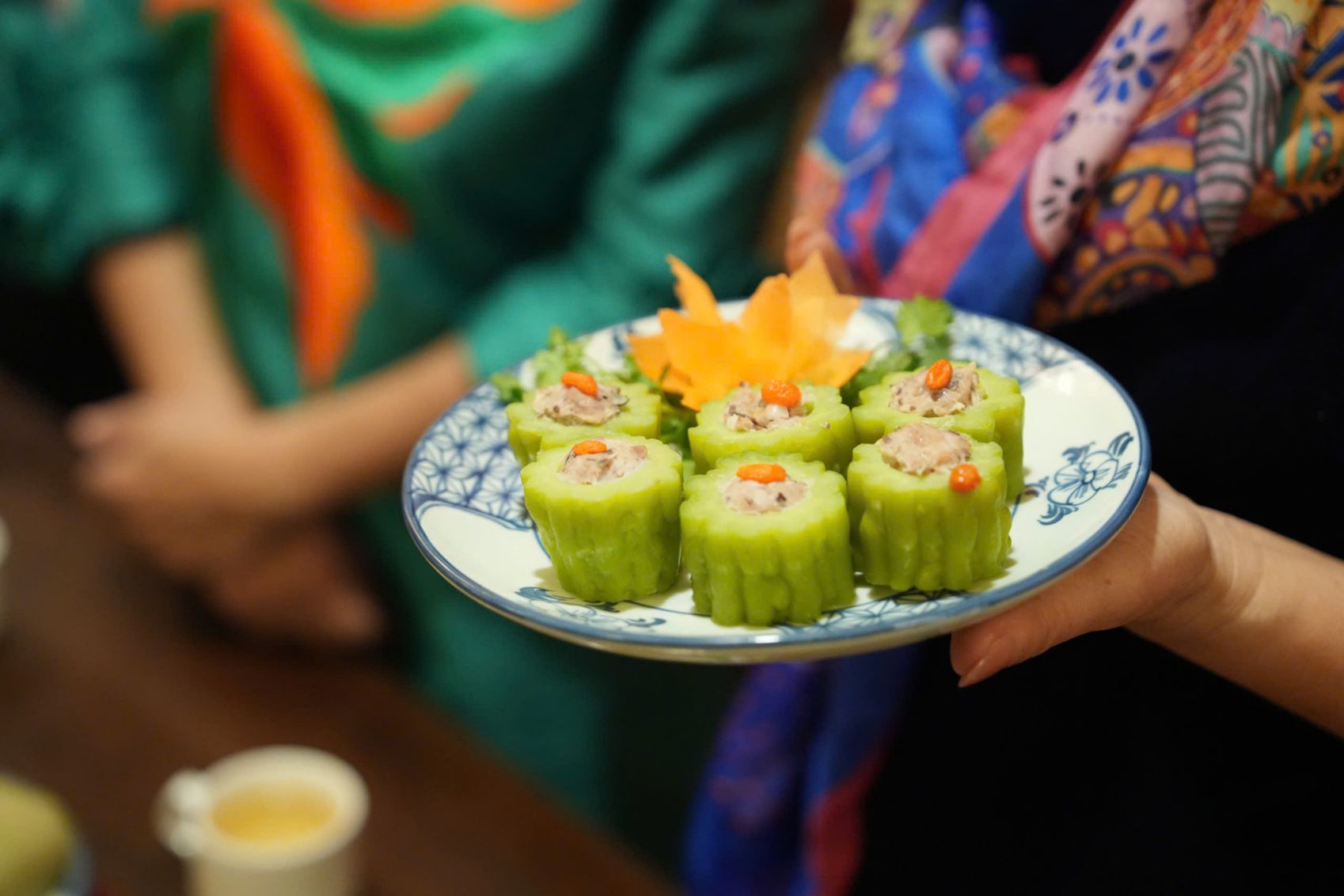
Right on this Binh Ngo Tet holiday, we brought to the public a workshop: Tet reunion with delicious dishes from 3 regions in the Tet feast. Participants not only tasted delicious Tet dishes in the North - Central - South but also saw the differences between the feasts of each region, to understand the diverse beauty of Vietnamese cuisine and the philosophy entrusted in it.
In general, to say that: Culture has created the soul of Vietnamese cuisine, and we must preserve that culture no matter how the times change. That banh chung culture is the Tet culture of Vietnamese people until the 22nd century and beyond.


