
Comprehensive development of children (PTTDTT) is the simultaneous development of both physical, intellectual, spiritual, ethical and social relationships of children".
Accordingly, children are provided with full health and nutritional services, stimulating interaction through early education, caring for and protecting children from being abused, abandoned and injured; children are supported with learning through play throughout preschool age until they switch to primary school. The age group for priority care in the first years of life is calculated from the time the mother is pregnant until the child is 8 years old.
For PTTDTT, parents need to interact with children early through the following activities: Early contact with children ( skin contact, communication, listening, playing with children); Listening to children talk, encouraging children to talk about things that happen around them; Reading and storytelling for children every day.
In particular, parents need to pay attention to limiting the time children sit in front of TV screens, computers, use of phones and other electronic devices, to keep children safe.
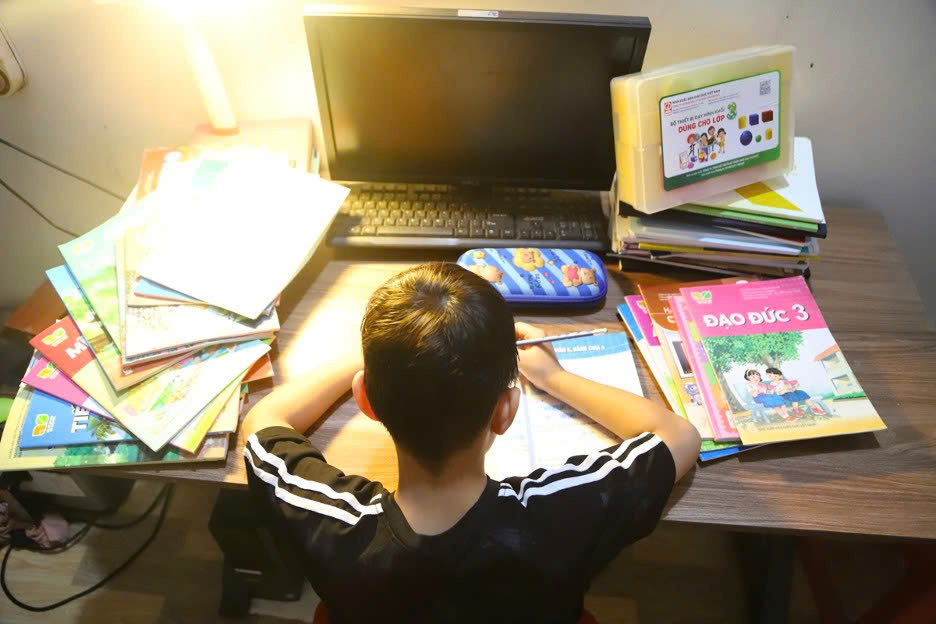
The "safe" criteria are defined as that children must live in an environment with adequate sanitation and clean water and ensure safety and prevent accidents and injuries; Children must live in a loving and caring environment of parents and other relatives; Do not treat children with violence in any form. Children with special needs and children in disadvantaged families must receive social support policies.
The above contents are included in the document Caring for the Comprehensive Development of Children in the Early Years of their Family and Community compiled by the Department of Children, Ministry of Labor, War Invalids and Social Affairs (old).
Suggestions for early interaction through children's age
During the newborn stage (under 1 year old), the baby cannot understand or follow the rules, so being angry with the baby will not change or stop the baby's behavior. Parents should respond to their children with care, love and patience, while enhancing the bond between you and the child by giving them the things they need.
From 1 to 2 years old, children enter the age of proficiency and have begun to understand more words and simple instructions. Even though your child can understand what you say, he is not old enough to follow what you say.
At this age, she likes to say No to everything you say. You need to be very patient. Continue to instruct and repeat the same instructions on the baby many times
From 2-3 years old, children like to follow habits and activities stably every day. Children may find it difficult to cope with change. Talking to your child about possible changes in advance will help them.
3-6 children of preschool age are old enough to start studying to follow simple regulations even though sometimes children may not want to follow these regulations.
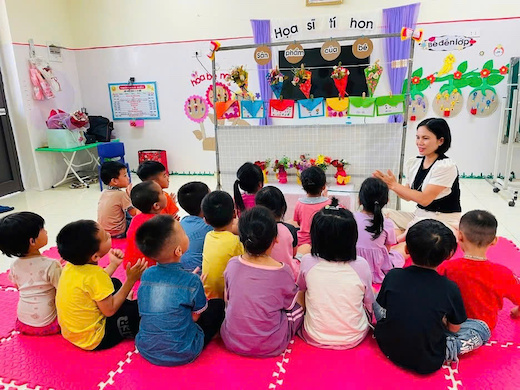
Children's behavior changes a lot during this period. There are times when children are very harmonious and calm, but there are also times when they really test your patience.
Children need you to tell them what is right. When children do something wrong, they want you to tell them what is wrong and why. Children need your help find a way to make them do better next time. Your child will not know what you expect unless you tell them.
6 - 8 years old is an important period for children to develop their confidence. Parents should encourage children to accept the consequences of their actions and look at everything from the perspective of others. You can do this by asking questions like Following your child, A... how will you feel when you do this?.
At this age, children's personality and living values are taking shape and developing, so they can express their opinions very strongly about what is right and what is wrong. Children are also aware of what others are doing. The advice is that parents should create an environment for children to gradually form self-study and problem-solving skills, increasing their communication and cooperation skills.
In particular, parents need to note that playing is still very important at this age, take time for children to play freely, never be bullied or use scolding or words to harm them.
These contents are mentioned by the authors in the Hanh Vi book series - included in the Khong Ai Hoan Hao book series compiled by authors from UNICEF Vietnam, the Ministry of Labor, War Invalids and Social Affairs (old) and the Public Health Agency of Canada.


