
Busy life, work pressure, the attractiveness of electronic devices and safety concerns make many parents choose to keep their children at home more often. Spontaneous play sessions are gradually replaced by carefully arranged appointments and always supervised by adults.
According to experts, this situation is creating a situation called "lack of outdoor play activities" in children.
Psychologist Dr. Traci S. Williams (USA) said that children today spend significantly less time outdoors than previous generations. This means that they may miss many important benefits in terms of physical, cognitive and social emotions.
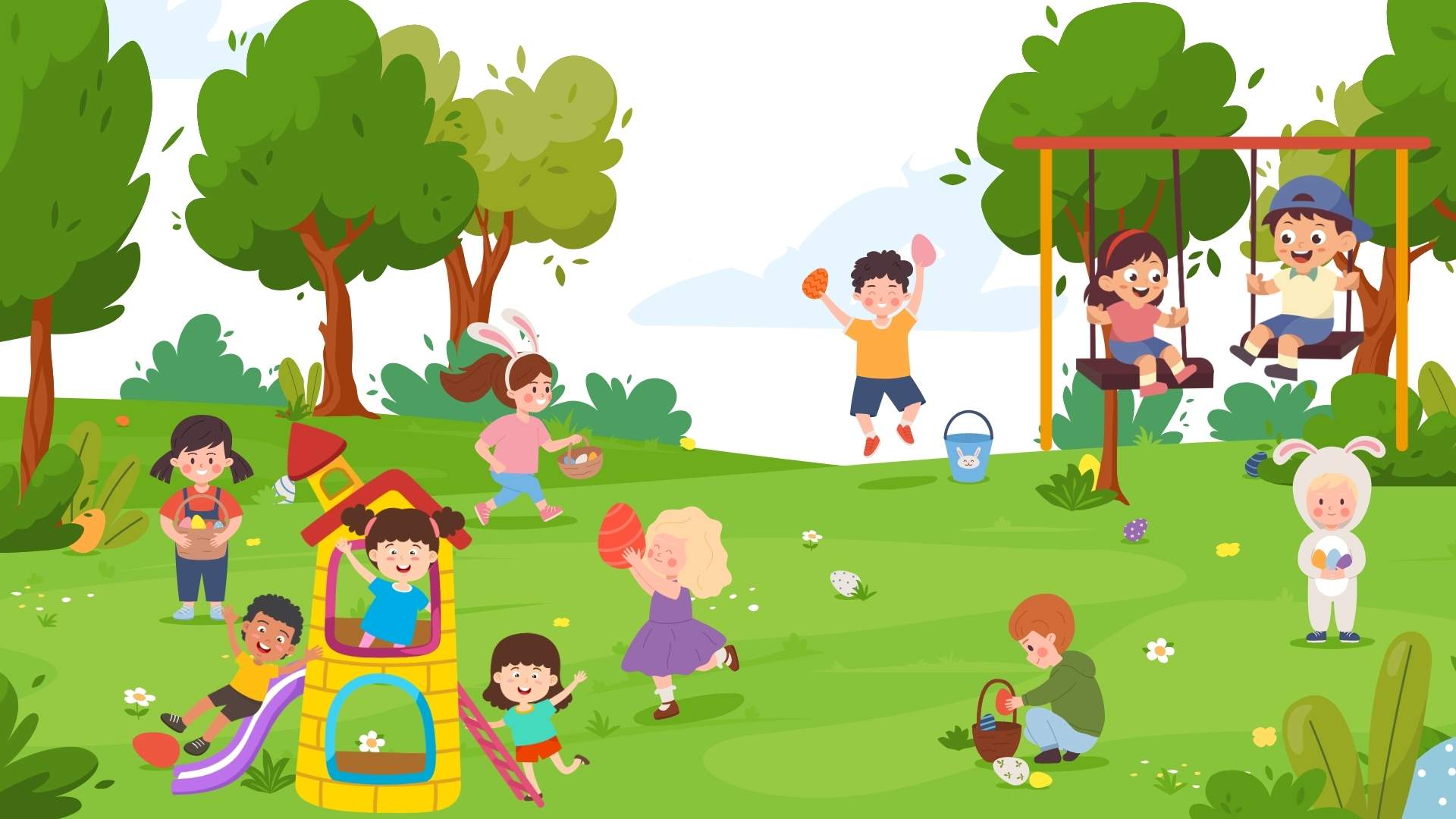
In terms of physical fitness, activities such as walking, running, jumping, climbing or cycling help children strengthen cardiovascular health, develop muscles, improve balance and coordinate movement.
Children also receive vitamin D from sunlight, which is very important for the development of the skeletal system and mental health," Ms. Williams said.
Time outdoors also contributes to improving vision. When the eyes regularly observe distant objects instead of constantly focusing on the electronic screen, the risk of nearsightedness can be significantly reduced. According to Ms. Williams, just spending about an hour a day outdoors, children can reduce their risk of nearsightedness by more than 14%.

Dr. Cara Goodwin - clinical psychologist and author of children's books (USA) - said that outdoor activities bring a natural learning environment that helps children develop social and emotional skills.
When playing with friends, children learn how to communicate, cooperate, share, comply with the rules of the game and accept winning and losing results. These are important skills but difficult to fully form through electronic devices.
Playing outdoors is an open, creative activity that stimulates all of children's senses," Ms. Goodwin said.
Experiences such as climbing over a mound of soil, crossing a tall grass or building a structure from tree branches and gravel all help children learn how to solve problems, adjust emotions and increase confidence.
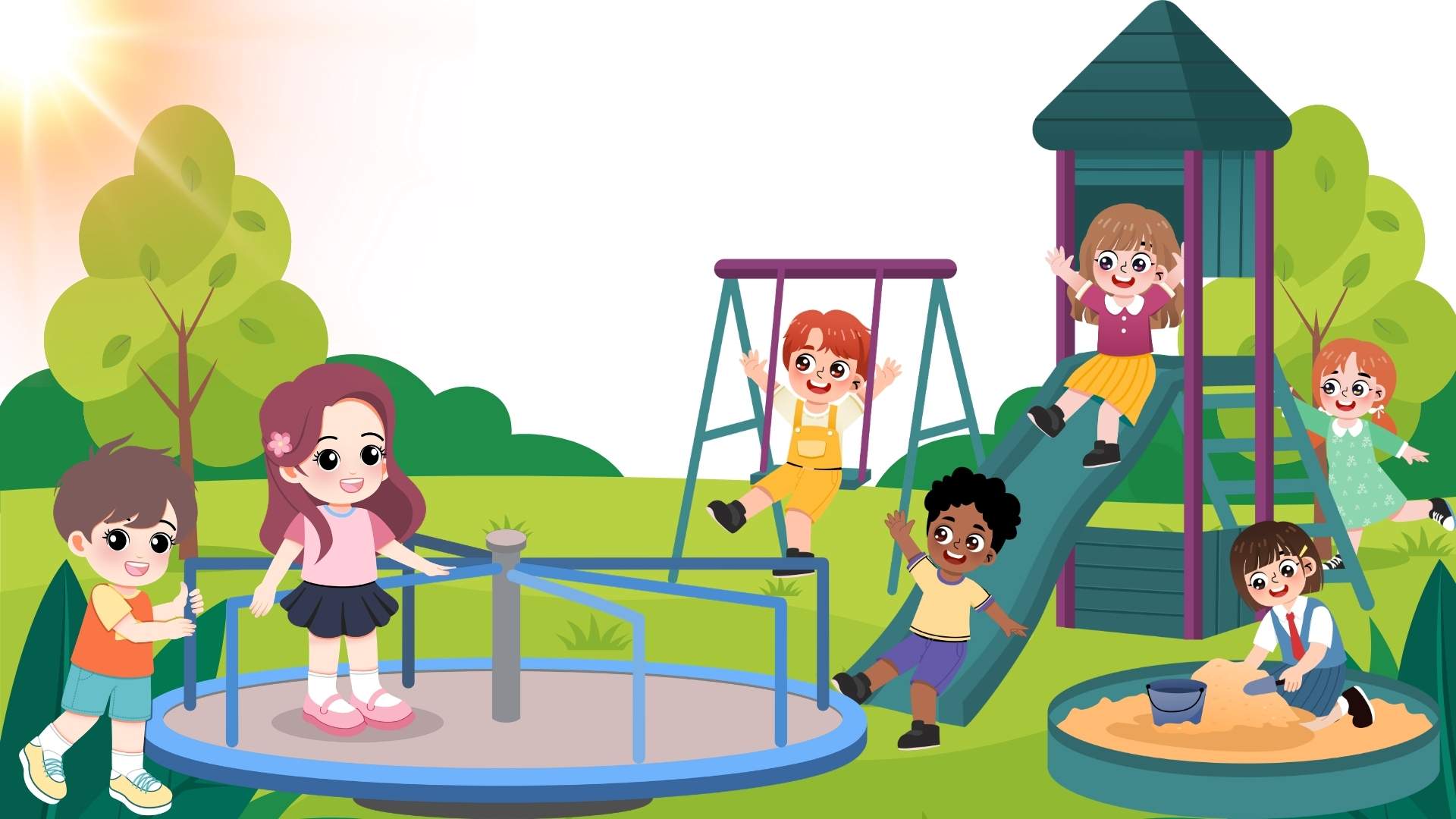
A walk after dinner, cycling around the neighborhood, snacking in the park or reading books in the yard are all simple ways for children to get more exposure to nature.
Experts also recommend not using "going out to play" as a punishment, because this can cause children to develop a negative mentality towards outdoor activities.
In addition, limiting the time spent using electronic devices also plays an important role. Adults need to set an example by reducing the time spent using phones when they are with their children and actively participating in common activities.
Even for families living in crowded urban areas, creating opportunities for children to play outdoors is still completely feasible.
Experts suggest that parents can take their children to parks, community playgrounds, walking paths, nature reserves or simply explore interesting things in the neighborhood where they live.
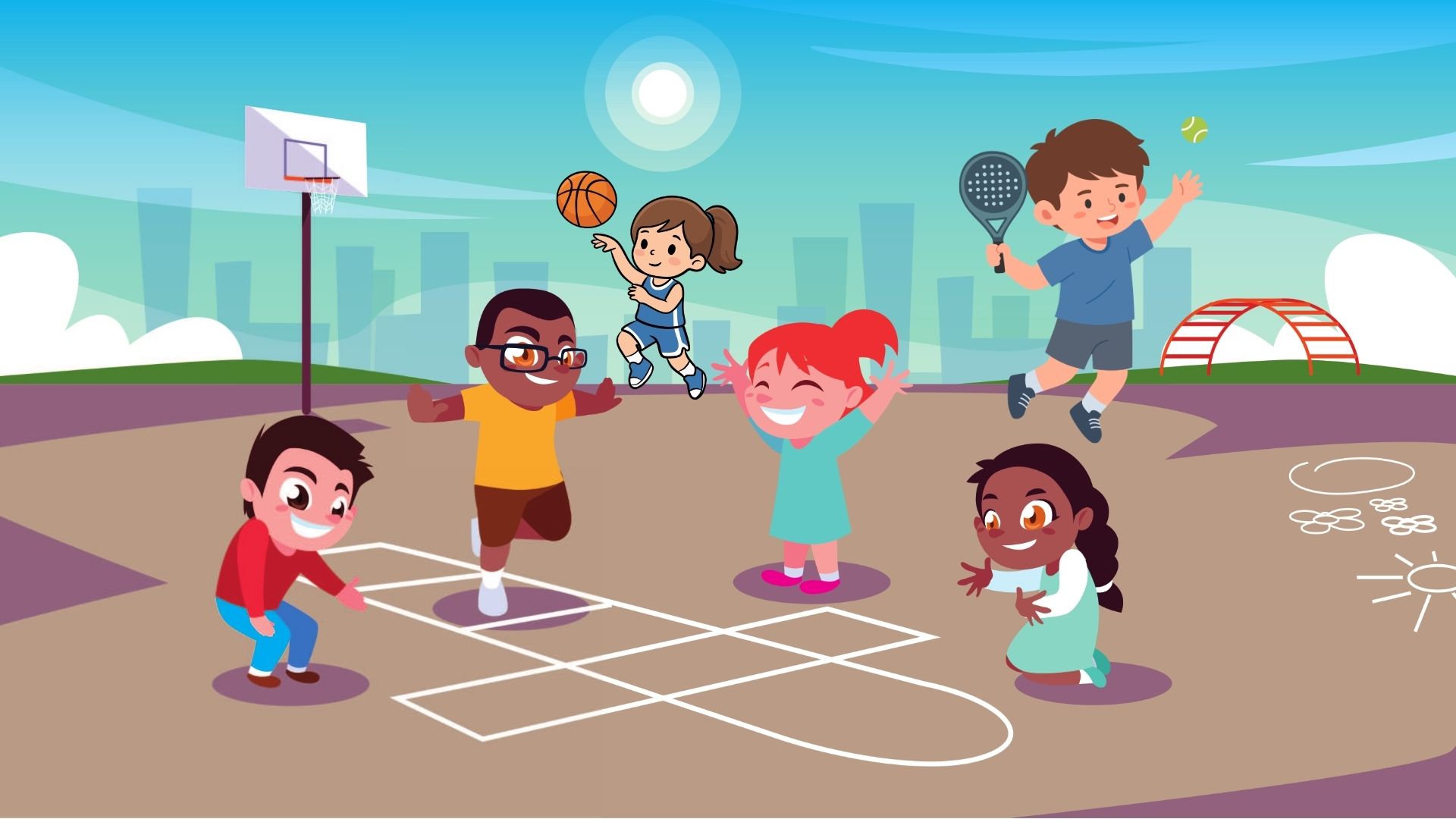
Games such as treasure hunting, nature observation, visiting agricultural markets or weekend picnics can all become memorable experiences for children.
One of the most important things that experts emphasize is that children need space to play independently, instead of always receiving instructions from adults.
Instead of constantly guiding their children what to do, parents should observe and create conditions for children to explore the surrounding environment on their own. From sticks, stones, branches or sandbanks, children can create creative and learning games themselves.
Benefits of children playing outdoors
- Children only need about 30 minutes to 1 hour of outdoor play each day to receive many health benefits.
- Spending time outdoors helps reduce the risk of nearsightedness in children.
- Outdoor activities support physical development, social skills and mental health.
- Playing freely in nature helps children increase creativity and problem-solving ability.
- Limiting electronic devices is one of the effective ways to encourage children to exercise outdoors.


