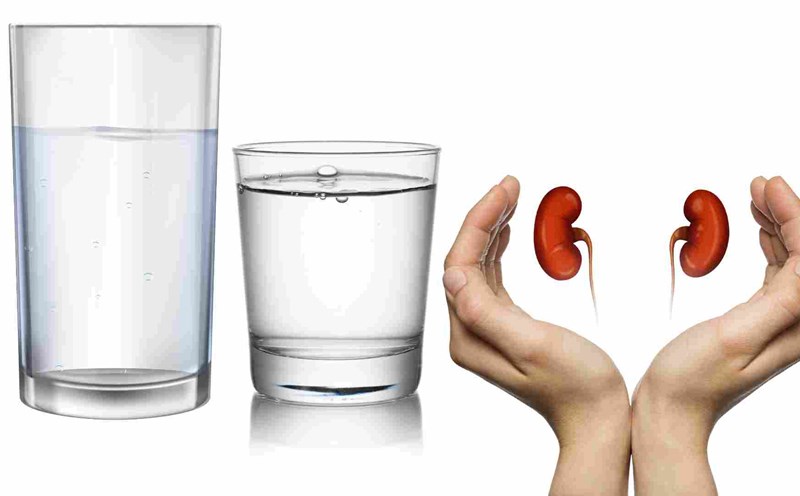
Chronic kidney disease and liver problems are increasing rapidly, causing the need to eat potassium control to reduce pressure on the filter medium. In this diet, choosing the right type of seed not only helps protect the kidneys and liver but also supplements the necessary nutrients.
Cashew seeds
Cashews are popular for their fatty and easy-to-process flavor. According to the National Kidney Foundation (USA), 28g of cashews contain only about 187 mg of potassium, much lower than potassium-rich nuts such as almonds or laughing gasoline seeds. Cardh nuts are a source of healthy protein and fat, but do not increase the potassium burden on the kidneys, says American nutritionist Susan Zogheib.
Sunflower seeds
cheap, popular and easy to eat, unsalted roasted sunflower seeds contain about 186 mg of potassium per 28g. In addition, this seed is rich in vitamin E, an important antioxidant for the liver. According to the American Liverpool Foundation, vitamin E helps reduce inflammation and supports liver cell regeneration, which is especially useful for people with non-alcoholic fatty liver disease.
Pumpkin seeds
Pumpkin seeds, if eaten in moderation, are also a safe choice. 28g of roasted pumpkin seeds contain about 228 mg of potassium, which is still within the allowable threshold of a low- potassium diet. They are rich in zinc, support the immune system and protect the liver from oxidative stress. Dr. Michael Greger (NutritionFacts.org) notes: Dosis control is key, eating a handful of pumpkin seeds per day can be beneficial without harming the kidneys.
Peanuts
Los is very familiar in Vietnamese cuisine. With about 200 mg of potassium per 28g, roasted or boiled peanuts are suitable for a potassium-restricted diet, if not eaten too much. Peanuts contain many unsaturated fatty acids, which help reduce blood fat, an important factor in protecting the liver and heart. A study published in the American Journal of Clinical Nutrition shows that regular consumption of peanuts is associated with a lower risk of fatty liver disease.
Principles of eating nuts are safe for the kidneys and liver:
Control your intake: 1 small handful (~28g) per day to avoid excess potassium and phosphorus.
Limit salt: Choose unsalted roasted nuts to avoid high blood pressure, reducing the burden on the kidneys. Not only eating one type of seed, but alternating the seeds to get enough different nutrients. People with end-stage kidney disease or high blood potassium need to consult a doctor before using the seeds regularly.