Understand cholesterol correctly to avoid confusion
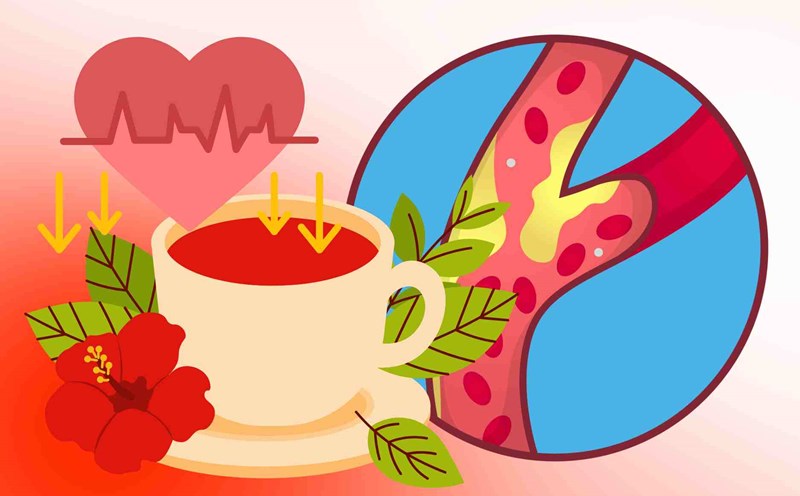
Cholesterol is not entirely harmful, because it is an essential component for building healthy cells. The problem arises when low-density lipoproteins, often called bad cholesterol, increase, promoting the formation of atherosclerosis plaques in arteries. According to recommendations, this index should be below 100 milligrams per deciliter of blood in adults, and lower in people with heart disease.
High-density lipoproteins, or good cholesterol, play a role in transporting excess cholesterol out of the blood. Triglycerides above 150 mg/dL of blood also increase cardiovascular risk. Ideal total cholesterol should be below 200 mg/dL of blood.
Dr. Upendra Kaul Kler, a senior cardiologist, emphasized: "Controlling cholesterol is not just about avoiding fried food, but requires a comprehensive, long-term approach with family companionship.
Professor Gregg Fonarow, a cardiologist at David Geffen School of Medicine at the University of California, Los Angeles, USA, said: "Changing lifestyles, combined with treatment when necessary, can significantly reduce the risk of cardiovascular events in the elderly.
7 simple but effective steps
First, build a good diet for the heart with plenty of green vegetables, fruits, whole grains, fish, beans and nuts; limit saturated fat, processed foods and sweets.
Second, maintain exercise for at least 30 minutes each day such as brisk walking, cycling or yoga to reduce bad cholesterol and increase good cholesterol.
Third, control weight, especially abdominal fat, an independent risk factor for cardiovascular disease.
Fourth, quit smoking completely to reduce the progression of atherosclerosis.
Fifth, control stress and ensure enough sleep to stabilize fat metabolism.
Sixth, manage accompanying diseases such as high blood pressure and diabetes well.
Finally, family plays a key role: going to the doctor with parents, preparing healthy meals and maintaining exercise habits will help change the lifestyle more sustainably.