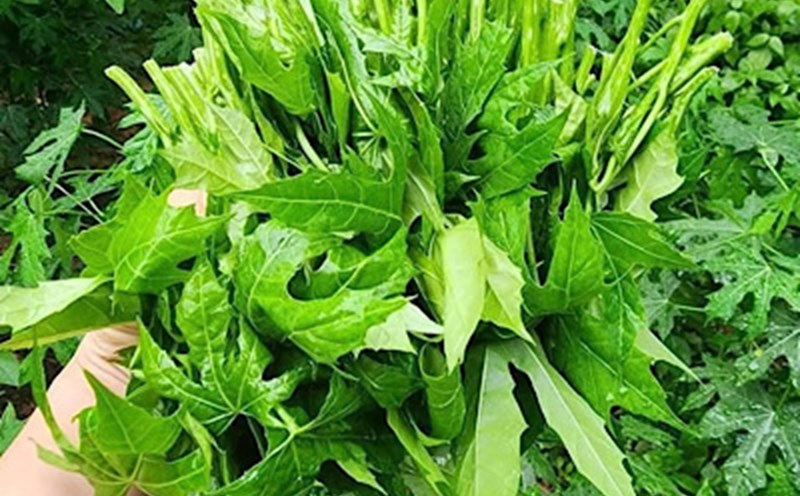
Asparagus
Asparagus is rich in glutathione - an important antioxidant that helps reduce oxidative damage in joints and slows down collagen loss.
Seaweed
Seaweed contains iodine and polysaccharide, which play a catalytic role in collagen production.
Beetroot
Beetroot contains natural nitrates that help dilate blood vessels, increase blood circulation and bring nutrients to the joints more effectively.
Broccoli
Broccoli contains sulforaphane, which protects collagen-producing cells and reduces inflammation damage.
Okra
Okra contains pectin and polysaccharide, which create a natural protective layer for joint surfaces, helping to reduce friction and wear and tear.
Spinach
Spinach is rich in magnesium, vitamin K, lutein and nitrates, which help relax muscles, improve neurotransmitter and support collagen production.
Red bell
Red bell peppers are rich in vitamin C - a key factor in collagen production. If you have knee pain in the cold season, eating half a day of raw red bell peppers for two months can clearly help improve joint pain.
We can use vegetables for 4 weeks. After about 4 weeks, most people can clearly feel positive changes such as: reduced morning stiffness, more flexible hands, reduced pressure on knees, more stable gait, firmer skin and less fatigue.