
During Tet, buying ingredients daily is not easy when many markets and supermarkets are closed. Therefore, many families choose to cook food ready to use gradually. However, if you do not pay attention to properly preserving Tet food or heating it up many times, the risk of poisoning and digestive disorders may increase.
According to recommendations from the Ministry of Health, cooked food if left at room temperature for more than 2 hours can create conditions for bacteria to develop. Food preserved at unsafe temperatures, thawed incorrectly or reheated many times easily increases the risk of infection, causing food poisoning with symptoms such as abdominal pain, diarrhea, vomiting, fever. In particular, the high-risk group includes the elderly, young children, pregnant women and people with underlying diseases.
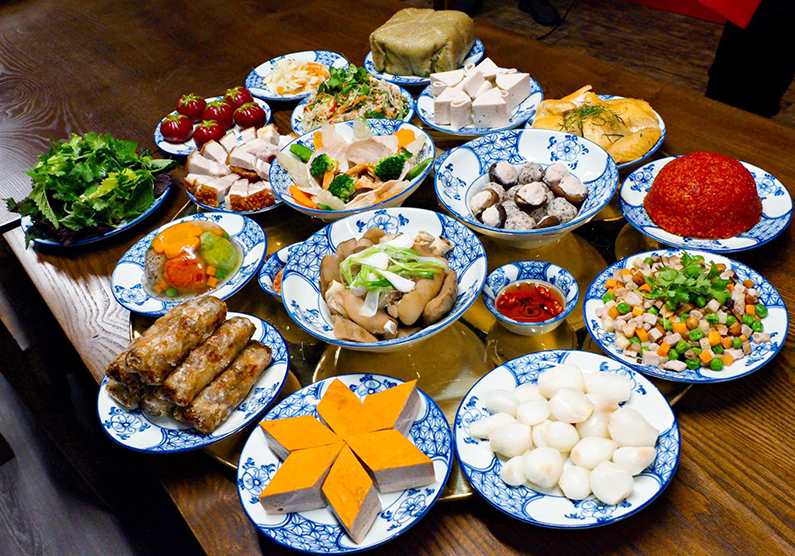
Talking to Lao Dong Newspaper, Dr. Truong Hong Son, Director of the Vietnam Institute of Applied Medicine, said that Tet poses potential food safety risks due to the habit of cooking in advance and reusing many times.
According to Mr. Son, food stored in the refrigerator also has a shelf life, it should not be thought that freezing can be kept for a long time without limits. When reusing, it is necessary to thaw properly and boil thoroughly before eating to ensure safety.
After meals, all unused cooked food should be immediately put in the refrigerator and properly stored; clearly distinguish the areas for cooked and raw food to avoid cross-infection," the doctor emphasized.
In fact, many traditional dishes such as banh chung, gio cha, thit dong, bamboo shoot soup can change their quality if left for too long. Banh chung stored at room temperature for many days easily molds. Protein-rich and fat-rich dishes, when reheated many times, not only reduce nutritional value but also increase the risk of digestive disorders.
In addition, the Ministry of Health also noted the risk of unsafety due to improperly storing food at the wrong temperature in unusually warm weather. High temperatures create conditions for bacteria to multiply quickly, especially with protein-rich foods such as meat, fish, and seafood.
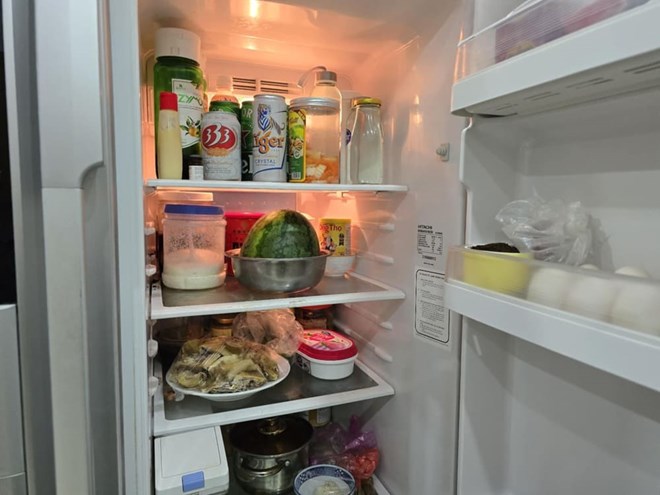
For people with underlying medical conditions, the preservation and use of food must be even more careful. MSc.BSCKII Nguyen Dang Quoc, Head of the Artificial Kidney Department, Thanh Nhan Hospital, clearly stated that patients with hemodialysis are very likely to have complications if they eat uncontrollably during Tet: "Traditional dishes such as pickled vegetables, banh chung, dried nuts, and fruits high in potassium, if used inappropriately, can cause hyperkalemia, fluid overload, electrolyte disorders, high blood pressure, pulmonary edema and shortness of breath.
For people with kidney disease, diabetes, high blood pressure, food stored for a long time, high in salt, high in sugar or heated many times not only increases the risk of infection but also affects blood sugar control, blood pressure, and kidney function.
Experts recommend cooking in moderation, prioritizing eating during the day. If you need to preserve, cool it quickly, put it in a sealed container, place it in the correct refrigerator compartment and use it for a short time. Do not let cooked food mix with raw food. When you see signs of spoilage, mold, or change in taste, discard it immediately.


