
When winter comes, the temperature and humidity of the air drop sharply, causing many people to face dry, peeling, rough and irritable skin.
According to Anushi Jain, nutritionist and founder of Nutri Maven (India), healthy skin depends greatly on the daily supply of vitamins, minerals and water.
Ms. Jain said that supplementing with the right kinds of fruits and vegetables can help skin retain moisture, restore protective barriers and maintain radiance even in the harsh winter months.
Where does dry skin form?
Dry skin occurs when the skin's natural protective barrier no longer retains water effectively. Cold weather, low humidity, prolonged hot baths and strong soap use all remove the natural oil layer on the skin.
Besides, the aging process causes the skin to produce less sebum, become thinner and easily dehydrated.
Dehydration, vitamin A, C, E and essential fatty acids deficiency also reduces skin's ability to recover.
Some conditions such as eczema, psoriasis, thyroid disorders, or excessive exposure to UV rays also contribute to prolonged dry skin and difficulty improving.
Healing skin from the inside out
Instead of just relying on cosmetics, experts encourage skin nourishment through nutrition. Fruits and vegetables are rich in vitamins, antioxidants and high water content, helping to hydrate naturally, regenerate cells and strengthen skin protection barriers.
Vitamin A plays an important role in regenerating skin cells, reducing flaking and improving skin texture. Carrots, sweet potatoes, spinach and kale rich in beta-carotene not only help skin become softer but also support protecting skin from the harmful effects of ultraviolet rays.
Vitamin C is a key factor in the process of producing collagen, a protein that helps skin firm and retain moisture.
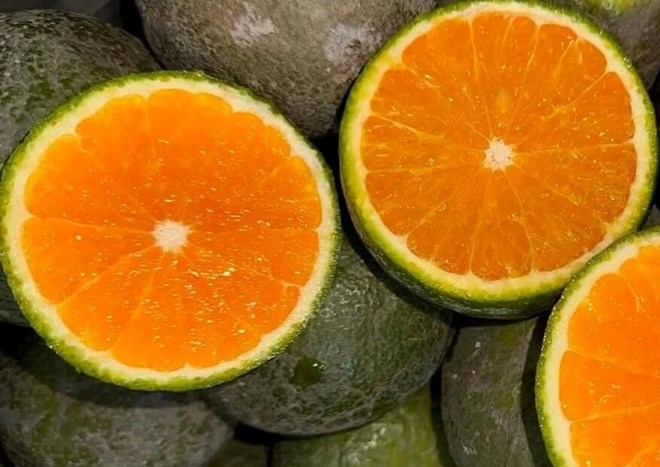
Oranges, lemons, strawberries, bell peppers and broccoli are rich sources of vitamin C, helping skin become smooth, bright and reduce premature aging.
Vitamin E is considered a natural moisturizer, helping to strengthen the skin's protective barrier and limit dehydration. Foods such as avocado, almonds, sunflower seeds and broccoli help skin soften, reduce irritation and increase elasticity.
The role of healthy fats and water
Omega-3 fatty acids in flax seeds, chia seeds, walnuts and fatty fish help skin cell membranes become flexible, retain water better and reduce inflammation.
This is a particularly important factor for dry, sensitive skin in winter.
In addition, water-rich foods such as cucumbers, watermelons, lettuce, zucchini and oranges help enhance hydration from the inside, support detoxification and improve skin brightness.
Antioxidants are a "shield" for the skin
Tomatoes, berries and cumin are rich in antioxidants that help neutralize free radicals, which are the cause of dry skin and premature aging.
Lycopene in tomatoes supports protecting skin from sun damage, while berries and amaranth help reduce inflammation, increase blood circulation and prevent skin discoloration.
Experts recommend that combining a nutritious diet with drinking enough 2-3 liters of water per day, limiting caffeine and alcohol, and getting enough sleep will help skin recover naturally.
(The article is for reference only, not for professional advice. Always consult a doctor or medical expert if you have questions).


