
An 83-year-old female patient (Dong Ngac ward, Hanoi) is being treated at the Department of Nephrology, Urology and Hemodialysis, E Hospital after being diagnosed with stage 3 kidney failure on the background of diabetes for nearly 30 years.
According to the patient's family, for many years she has always followed the treatment with diabetes medication and blood pressure medication as prescribed by the doctor. However, recently she has often been tired and has loss of appetite, so her family took her to the doctor and discovered stage 3 kidney failure.
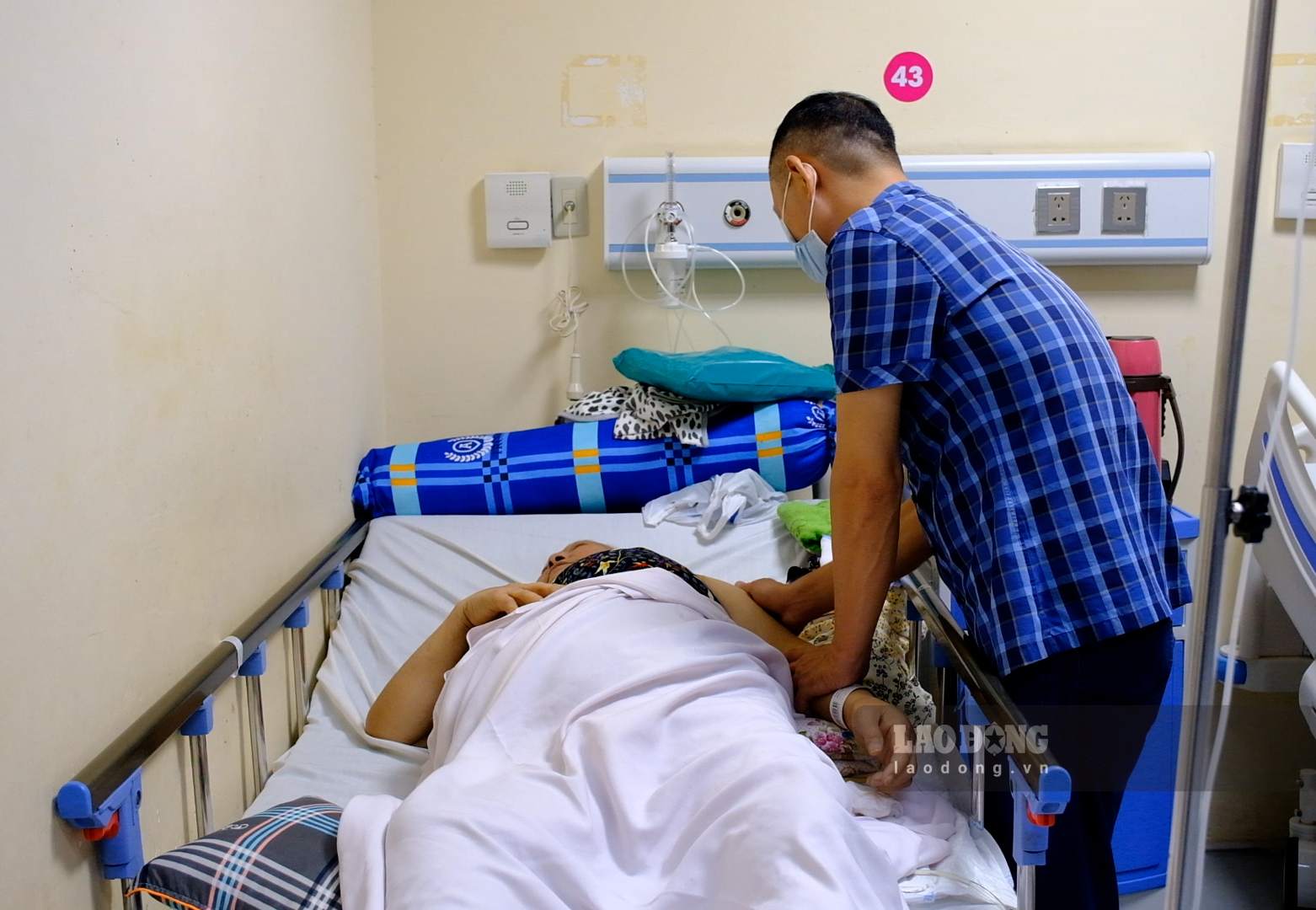
Only about a week after being diagnosed, the patient's health condition progressed rapidly with many complications. Both hands and feet were swollen due to fluid retention, joint pain made her unable to walk, all activities depended on family members taking care of her 24/24 hours. Notably, the ulcers in her legs lasted for many days but took a long time to heal," the patient's family said.
According to Dr. Nguyen Minh Tuan, Head of the Department of Nephrology, Urology and Hemodialysis, E Hospital, the rate of patients with kidney failure due to diabetes accounts for about 50-60%. Kidney damage due to diabetes has a diverse progression, different from many other causes of kidney failure. The disease can progress rapidly, requiring patients to have blood filtration or kidney transplantation when entering the final stage.

Diabetic kidney failure is common in the elderly and poses many difficulties in the blood filtration process. In diabetic patients, the blood vessel system is easily fibroized and narrowed, causing many obstacles in creating an autologous arteriovenous fistula (AVF) for blood filtration.
Dr. Tuan also emphasized that there are cases where type 2 diabetes is detected quite early, when they are only 38-45 years old. For this group of patients, adjusting the diet and increasing exercise according to instructions plays an important role.
Many cases respond well to treatment, blood sugar levels are clearly improved. If the disease is detected early and proactively controlled from the beginning, patients can maintain stable blood sugar, only need to monitor periodically and use medication as prescribed by the doctor.


