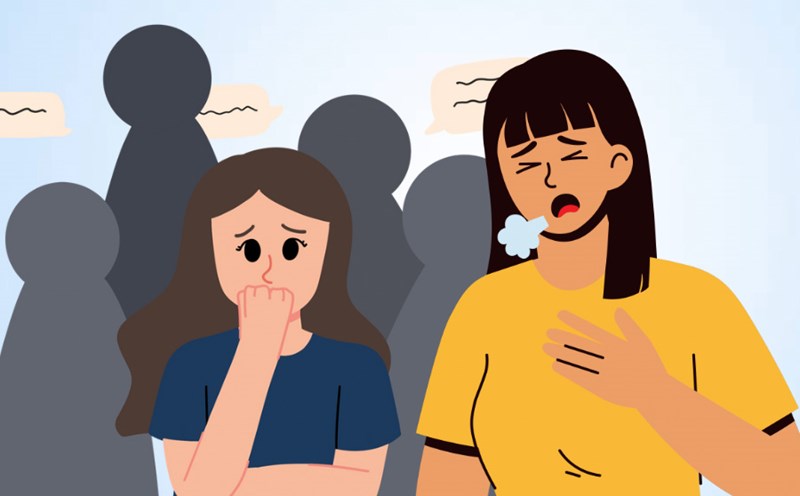
Severe anxiety and panic attacks can cause symptoms similar to heart disease, as both trigger the body's stress response. Common symptoms include sudden or enlarged chest pain, rapid or irregular heartbeat, shortness of breath, dizziness, sweating, shaking, nausea, feelings of fear or danger, numbness or tingling in the hands, jaw or neck.
According to Dr Divya Marina Fernandes, a cardiologist at Aster RV Hospital, Bangalore (India), panics often peak within a few minutes and can occur at rest, while heart attacks are often associated with exercise and tend to get worse over time.
When to go to the emergency room
Dr. Fernandes emphasized that self-dygnosis should not be done. If you are not sure of symptoms of anxiety or cardiovascular disease, the patient should see a doctor immediately. seek emergency care if you have chest pain that lasts for more than a few minutes, the pain spreads to the arms, jaw or back, have difficulty breathing, dizziness or fainting. These symptoms are especially dangerous for people over 40 years old or with underlying diseases such as diabetes, high blood pressure, smoking or a history of heart disease.
How does anxiety affect the heart?
Anxiety triggers the body's physiological response, increasing the secretion of stress hormones such as adrenaline and cortisol. These hormones cause increased heart rate, higher blood pressure, tight chest muscles and a rapid, shallow breathing rhythm. When this reaction occurs frequently without a real medical cause, the body can experience chest discomfort and dizziness, similar to the symptoms of a heart attack.
Anxiety affecting existing heart disease
In people with heart disease, chronic anxiety can increase stress hormones, blood pressure, heart rate and inflammatory response, putting long-term pressure on the cardiovascular system. Anxiety also makes it difficult for patients to comply with treatment and lifestyle changes, reducing the effectiveness of cardiovascular care. In contrast, treating anxiety helps improve quality of life, increase recovery efficiency and reduce the risk of recurrent cardiovascular events.
Treating anxiety while protecting the heart
Measures to support both mental and cardiovascular health include cognitive - behavioral therapy (CBT), medication when needed, regular exercise, yoga, meditation, adequate sleep, slow and deep breathing, limit caffeine, alcohol and do not smoke. These methods help reduce stress hormones, stabilize heart rate and lower blood pressure.
handle anxiety immediately
The first step is to have a medical examination to rule out the cause of cardiovascular disease. When determining that there are no serious heart problems, patients need to control anxiety by breathing slowly, using sedative techniques and stabilizing the psychology. Long-term treatment can combine psychotherapy, medication if necessary and stress management.
Research shows that chronic anxiety is associated with a higher risk of heart disease, emphasizing the importance of mental health care in parallel with cardiovascular care. When both are treated at the same time, the recovery process will be safer and more effective.