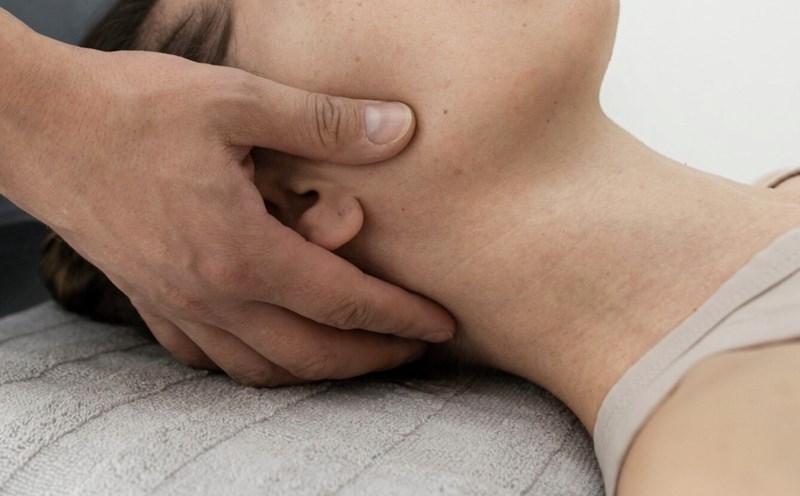
When the temperature drops, many people often feel pain from the lumbar reaching down to the hips, legs or thighs. The pain can start as a feeling of heaviness, stiffness, and gradually turn into uncomfortable spots of breath. According to experts, this condition is not random but is related to the body's natural reaction to cold weather.
Causes of back and leg pain that get worse in winter
According to Dr. Amit Chakrab Party, Director of Neurosurgery, CK Birla Hospital, Jaipur (India), there are many factors that make pain from the waist to the legs worse in cold weather:
Muscle stiffness due to cold weather: Cold weather causes muscles and ligaments to contract, reducing flexibility. Poor blood circulation in winter makes muscles prone to cramps, leading to pain and stiffness, especially in the morning.
Spinal problems are more serious: Spinal degeneration, disc degeneration, sciatica or spinal cord narrowing tend to be more severe in the cold season. Low temperatures can cause inflammatory nerves, causing pain to spread from the waist down to the legs.
Lack of exercise: Winter often causes people to be sedentary, sit for long periods of time, poor posture weakens the back and abdominal muscles, increasing pressure on the spine, leading to back and leg pain.
Arthritis and joint degeneration: People with inflammation of the spine, hips or knees will feel more pain in cold weather, due to low temperatures that increase joint stiffness, especially in the elderly.
Vitamin D deficiency: Lack of exposure to sunlight in winter leads to vitamin D deficiency, causing muscle weakness, bone pain and aggravating back pain and leg pain.
Common symptoms
Some signs you should not ignore:
Lower back pain spreads to one or both legs.
Feeling numb, tingling or burning in the legs.
Joint stiffness gradually decreases with exercise.
The pain increases when standing or sitting for long periods of time.
Note: If the pain is severe, your legs are weak or you have bladder/intestinal problems, see your doctor immediately.
Effective pain relief measures in winter
Dr. Chakrab Party suggests some simple but effective ways:
Keep your body warm: Wearing warm clothes, using hot water bags or heat pads helps relax muscles and increase blood circulation.
Maintain gentle activity: Don't stay in bed for long. Walking, stretching, yoga or physical therapy help flexible joints, healthy back and abdominal muscles.
Practice correct posture: Sit on a chair with a good back, avoid hunching. Sleep on a hard mattress to support your spine.
Eat a nutritious diet: Supplement calcium, protein, vitamin D and spend 1520 minutes in the sun to improve vitamin D levels.
Use a smart pain reliever: Suppress heat, take a warm bath and take medication as instructed by your doctor to help control pain. Avoid taking medication without permission.
Seek professional help early: If the pain persists or recurs annually, you should see a specialist to prevent nerve damage and chronic problems.