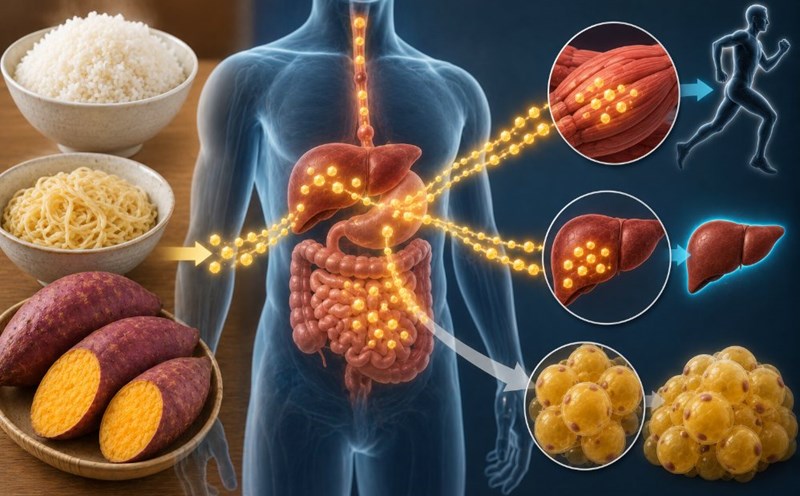
Reduce inflammatory factors in the body
A diet high in refined starch for a long time may be associated with low-level chronic inflammation in the body. This is one of the factors that can contribute to increasing the risk of many chronic diseases in the elderly. Reducing white rice, while increasing vegetables and fruits rich in antioxidants can support controlling signs of inflammation in the body, thereby contributing to protecting health.
Reduce joint pain
In some elderly people with arthritis, inflammation can make symptoms of pain, swelling and stiffness of the joints more pronounced. Adjusting the diet in the direction of reducing refined foods, increasing foods rich in fiber and antioxidants can help control inflammation, even without replacing medication. When maintaining a reasonable diet combined with appropriate exercise, many people may find it easier to walk, climb stairs and perform daily activities.
Protect cardiovascular health
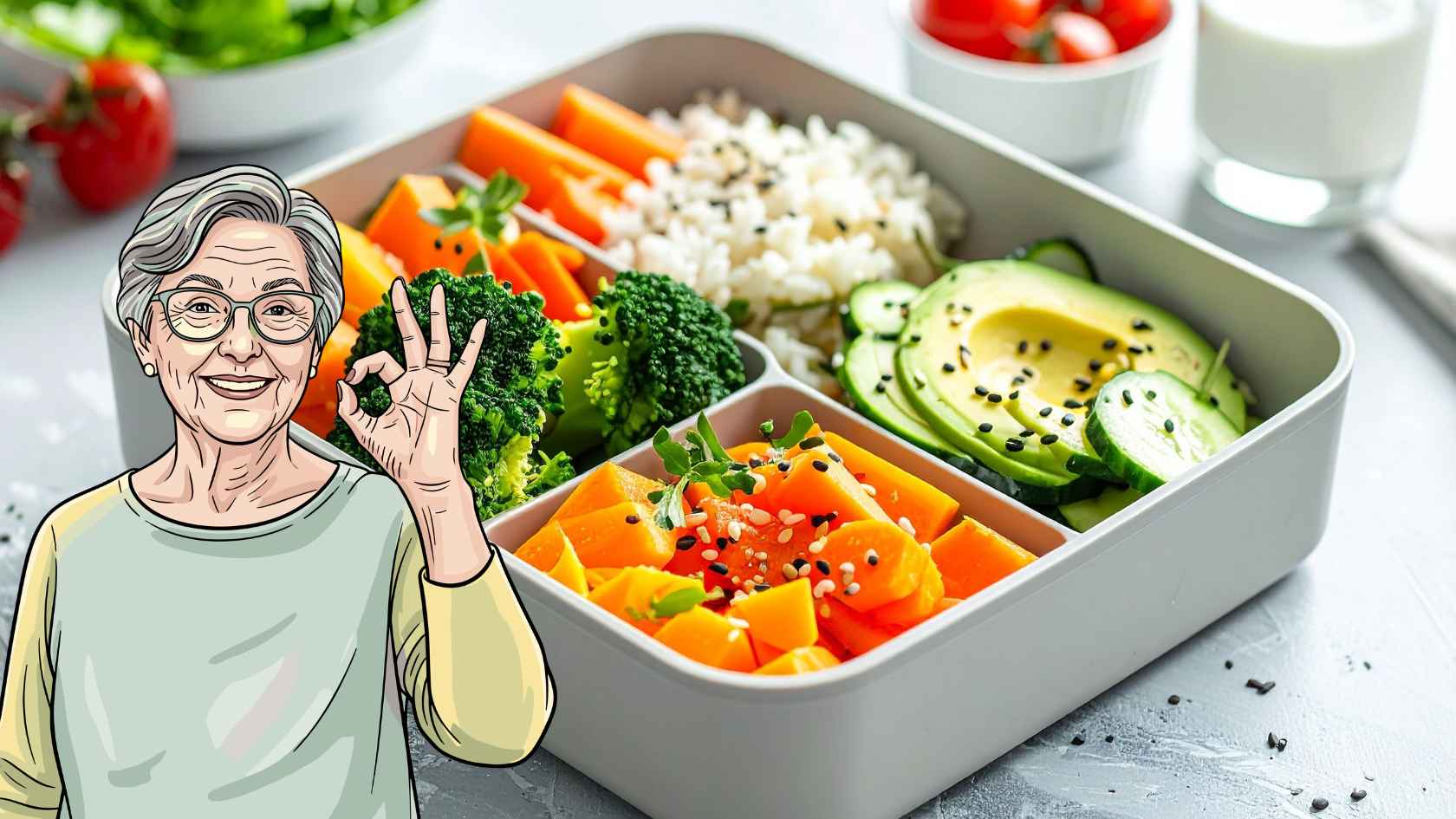
Chronic inflammation is associated with vascular endothelial damage and the formation of atherosclerosis. Therefore, building a balanced diet, limiting refined carbohydrates and increasing green vegetables, beans, fish and healthy protein sources can contribute to protecting cardiovascular health. This is also one of the important factors to help reduce the risk of diseases such as high blood pressure, coronary heart disease and stroke in the elderly.
Diet adjustments should not be made suddenly but need to be changed step by step. For the elderly who are used to eating rice in each meal, it is not necessary to completely eliminate white rice. You can replace a part with brown rice, reduce the amount of rice and increase green vegetables, tofu, fish or lean meat. Small changes but maintained regularly will help form a balanced eating habit, suitable for the needs of the body and age.