In traditional eating thinking, high-fat foods are often "listed for restriction", especially for those who are concerned about blood fat or cardiovascular disease. However, in the modern culinary world, not every type of fat is harmful.
In Vietnamese culinary culture, fish is not only a food but also a part of family memories from pot of braised fish in clay pot, bowl of sour soup to simple summer meals. Understanding and eating correctly not only helps the dish be more delicious but also enhances the value of each meal. There are dishes that are even richer in "good" fat and are encouraged to be included in the menu, typically familiar fatty fish. Although it is known to be "fatty", if used reasonably, this is a solution to help improve blood fat reduction.
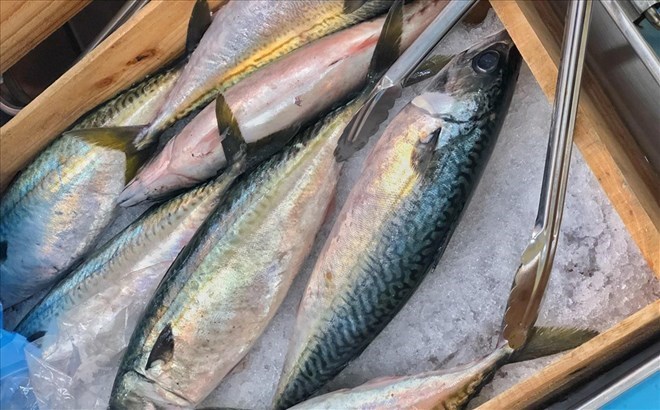
Fatty fish – the culinary "paradox" that helps reduce blood fat and protect the heart
Names like salmon, mackerel, herring or sardines are not unfamiliar to family meals. Their common point is that their fat content is quite high compared to ordinary fish. But this "fat" is the factor that makes up the value.
Nutrition experts point out that the fat in sea fish is mainly omega-3 fatty acids, especially EPA. This compound has the ability to support blood fat reduction (triglyceride reduction), stabilize blood vessel walls and reduce inflammation. This explains why fatty fish is still considered one of the recommended options to help protect cardiovascular health.
According to Harvard T.H. Chan School of Public Health, omega-3 from fatty fish is studied to be related to supporting cardiovascular health, especially in people with high triglycerides.
Similarly, according to the NIH Office of Dietary Supplements, omega-3 EPA and DHA in sea fish are studied for their role in supporting triglyceride reduction and cardiovascular health.
According to nutrition experts, the group of fatty fish is one of the most notable foods when it comes to supporting circulation and protecting arteries. The important point is not "eating less or more fat", but "eating the right type of fat".
Comparison table: Processing methods and health effects
| Processing method | Nutritional impacts | Effective for blood fat |
|---|---|---|
| Preserve Omega-3 fatty acids and natural sweetness, without adding grease. | ||
| Maintains EPA content, is palatable and helps cool down. | ||
| Destroying the structure of Omega-3, creating harmful bad fats. |
How to eat fish to be "nourishing" without the opposite effect?
Although rich in nutrients and supporting blood fat reduction, fatty fish is only really good when processed properly. This is a point that many Vietnamese families unintentionally make mistakes, causing the dish to lose its inherent benefits.
In culinary habits, many people like to fry fish to increase aroma and crispness. However, when fatty fish are deep-fried in oil at high temperatures, the amount of omega-3 is easily destroyed, and at the same time increases bad fats. At that time, the dish no longer "protects the cardiovascular system" but can become a burden to the body.
Conversely, the following simple processing methods help maintain nutritional value:
Steamed fish with ginger and onions: Maintains a natural sweetness, low in grease.
Grilled fish with foil: Limits nutrient loss and does not need to add much seasoning.
Pale braised fish: Suitable for Vietnamese taste, but note that salt and sugar should be reduced.
Sour fish soup: Easy to eat and also helps cool down effectively.

How much is enough in a weekly blood fat-reducing fish menu?
Nutrition experts often recommend that people eat fatty fish about 2-3 times a week, each time from 100–150g. This is a reasonable dosage level for the body to absorb enough omega-3 without causing excess energy.
Especially for middle-aged people, groups at high risk of blood fat and cardiovascular disease, maintaining a regular fish eating habit can bring long-term benefits. However, the important thing is still balance: you should not only eat fish but ignore other essential food groups such as green vegetables, beans and whole grains.
The information in the article is for reference only, not for medical diagnosis or treatment. You should talk directly to your doctor for accurate and appropriate advice to your health condition.
Quick Q&A about the impact of fatty fish on blood fat reduction
Why can high-fat fish help reduce blood fat?
Not all fats are harmful. Fat in fatty fish is mainly Omega-3 (especially EPA), which has the ability to reduce triglyceride (blood fat) levels and support anti-inflammatory.
Which types of fish are classified as fatty fish that are good for the heart?
According to the American Heart Association, omega-3-rich fish such as salmon, mackerel or sardines can contribute to supporting cardiovascular health and improving triglycerides when included in a reasonable diet.
Do you need to pay any other attention when adding fatty fish to the menu?
Need to maintain balance. Besides eating fish, readers should combine supplementary food groups such as green vegetables, beans and whole grains.