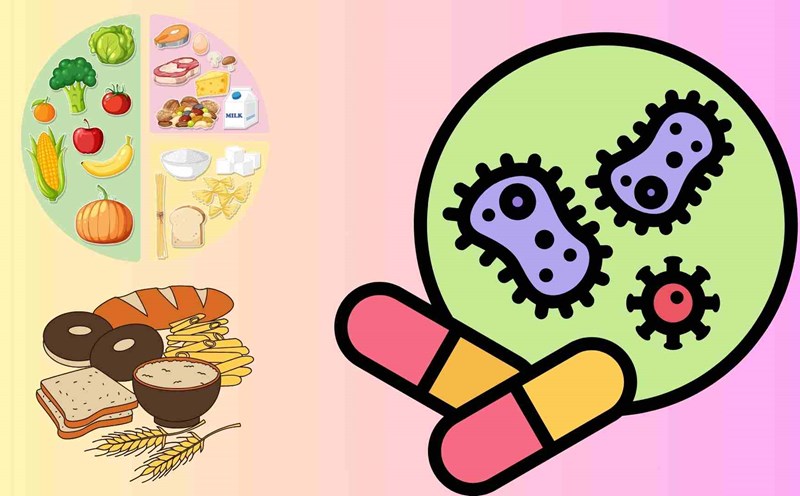
Antibiotics play an important role in treating bacterial infections and can save patients in many cases. However, besides the treatment benefits, antibiotics can also affect the natural microbiome in the intestines.
Experts say antibiotics not only kill disease-causing bacteria but also reduce the number of beneficial bacteria in the digestive system. This imbalance can lead to symptoms such as bloating, abdominal pain, diarrhea or changes in dialysis habits.
According to Dr. Anupama, a gastroenterology expert at Aster CMI Hospital (Bangalore, India), antibiotics are necessary in the treatment of infections but can temporarily change the gut microbiome. After the course ends, adjusting diet and lifestyle can help the microbiome recover.
Supplement with probiotic-rich foods
One way to support gut recovery is to supplement foods containing probiotics, beneficial bacteria that help maintain the balance of the microbiome.
Natural fermented foods such as yogurt, kefir, kimchi, pickled mustard greens or fermented vegetables can provide probiotics and support digestive activity.
Increase prebiotic-rich foods
Prebiotics are soluble fiber that helps support the growth of beneficial bacteria in the intestines.
Some prebiotic-rich foods include bananas, onions, garlic, asparagus, oats and whole grains. Supplementing these foods in daily meals can help improve digestive health.
Supplement enough fiber
Fiber helps support digestion and contributes to maintaining the gut microbiome. Fruits, green vegetables, beans and whole grains are good sources of fiber for the body.
Drink enough water
Water plays an important role in the functioning of the digestive system. Drinking enough water helps maintain normal bowel movements and supports the body in the recovery process after using antibiotics.
When do you need to see a doctor?
Most digestive disorders after antibiotic use are only temporary. However, if symptoms are prolonged or serious, patients should consult a doctor.
In general, maintaining a balanced diet, supplementing with probiotics, prebiotics, fiber and drinking enough water can help support the recovery of gut health after using antibiotics.