
On May 10, Lam Dong Provincial People's Committee said that the locality is developing and issuing a plan for periodic health check-ups and free screening for nearly 3.9 million people in 2026.
This is a move to implement Directive No. 17 on organizing periodic health check-ups or free screening for people; and at the same time gradually forming electronic health data for the whole population in the province.
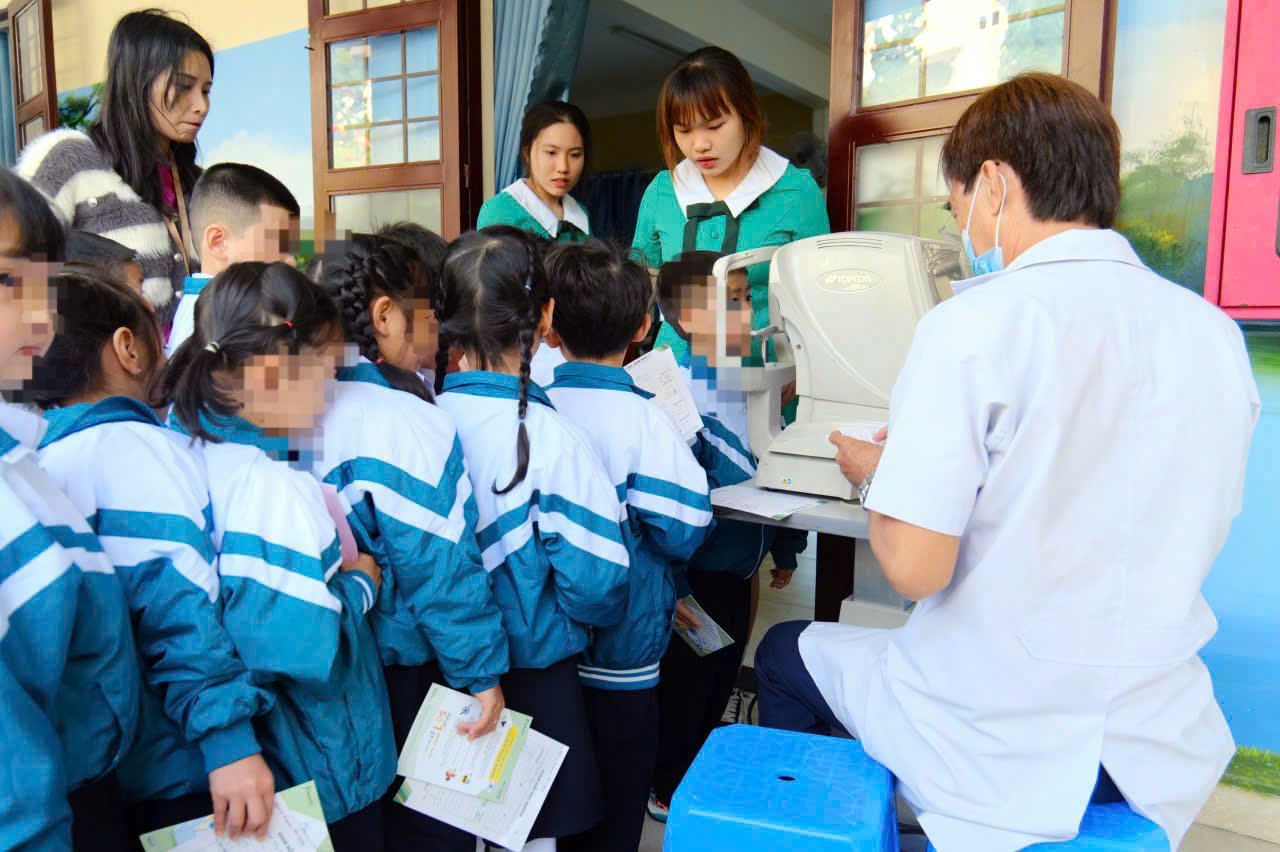
According to the plan, the total estimated implementation cost is more than 1,333 billion VND, divided into 2 periodic health check-ups. In which, phase 1 is implemented in the second quarter for more than 1.91 million people; phase 2 is implemented in the third and fourth quarters.
The groups prioritized for free health check-ups include children, students, elderly people, people with disabilities, people with meritorious services, poor and near-poor households, and people living in communes in region 3, border areas, and special zones. The implementation costs are deducted from the state budget.
For employees aged 18 to 60 with labor contracts and social insurance, health check-up costs are paid by employers.
The health check-up group for drivers will be paid by the people themselves according to regulations.
In addition to the above groups, about 1.351 million people from other subjects were also provided with free health check-ups from the state budget.
The People's Committee of Lam Dong province assigned the Department of Health to preside over and coordinate with departments, branches, and localities to organize the implementation and coordination of health check-ups for people in accordance with the set plan.
Lam Dong province aims for the goal that from 2026, 100% of people will have periodic health check-ups or free screenings at least once a year.
After health check-ups, all information will be recorded for monitoring and updated into electronic health records to serve the management and care of people's health according to the life cycle.
Health check-ups and periodic screenings help people proactively detect and treat diseases early, reduce the burden of disease and medical costs; and at the same time improve the quality of comprehensive health care for people in the province.


