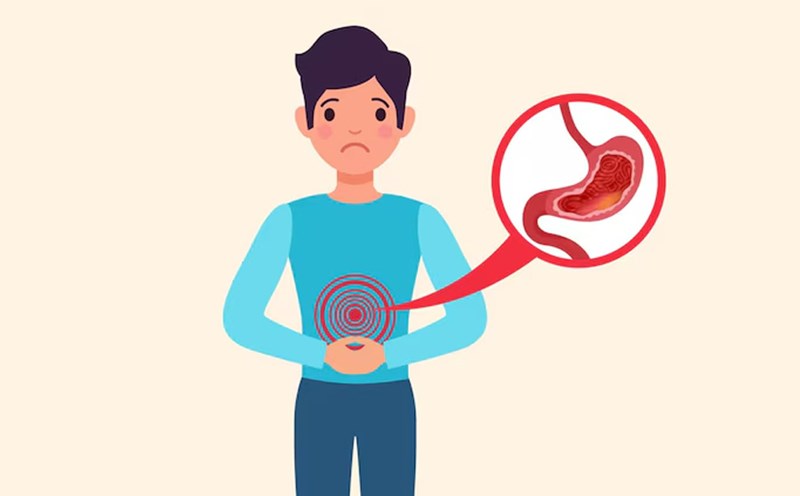
Chronic acid reflux is a common problem that causes fatigue and discomfort for many people. A burning sensation in the chest, bloating after eating or prolonged indigestion not only affects daily activities but also reduces the quality of life.
Nutritionist Annie Kanwar, founder of Functional Medicine International (FMI, India), said that many cases of chronic heartburn do not come from excess acid, but from poor digestion, lack of stomach acid, slow flow of gallbladder, stress, overeating or even H. pylori infection.
Therefore, overusing antacids is not a long-term solution; instead, it is necessary to support the digestive system with the right foods.
Annie believes that a targeted diet will help reduce acidity, improve bowel movements and reduce related symptoms.
Ms. Annie also emphasized that spicy foods, fried foods, caffeine, alcohol and products containing gluten or milk should be avoided in people with intolerant physical conditions.
Here are five foods and drinks that nutritionist Annie recommends to soothe the stomach and reduce acid reflux:
1. Ginger juice
Ginger has natural anti-inflammatory properties, helping to soothe the stomach lining and improve bowel movements. Patients can drink 12 cups a day, especially after meals.
2. Coconut water
Coconut water is slightly alkaline, rich in electrolytes that help neutralize acid and reduce irritation. A small glass in the morning is an ideal choice.
3. Aloe vera juice or cabbage juice
Both have been shown to help soothe gastritis and repair the lining. For aloe vera juice, you should take 30 ml of diluted every morning on an empty stomach. Cabbage juice contains natural bicarbonate, which helps soothe acid effectively.
4. Oatmeal
A light breakfast rich in soluble fiber, oats help absorb excess acid and stabilize digestion. Can be used every day, combined with lean protein and vegetables.
5. Bananas
Bananas contain pectin, which helps food move smoothly in the intestines and acts as a natural acid resistance. Patients can eat 1 fruit/day between meals. However, people with SIBO syndrome should avoid it until treatment is stable.
According to Annie, patients should seek professional advice if they experience signs such as daily heartburn, prolonged bloating, nausea, fatigue of unknown cause or no symptoms improve even after taking medication. This could be a warning sign of H. pylori infection or more serious digestive disorders.
Finally, experts emphasize that heartburn is completely controllable. But to completely treat it, patients need to focus on the root cause, which is the health of the entire digestive system, not just temporary neutralization of acid.
(The article is for reference only, not a replacement for professional advice. Always consult a doctor or medical professional if you have any questions).