
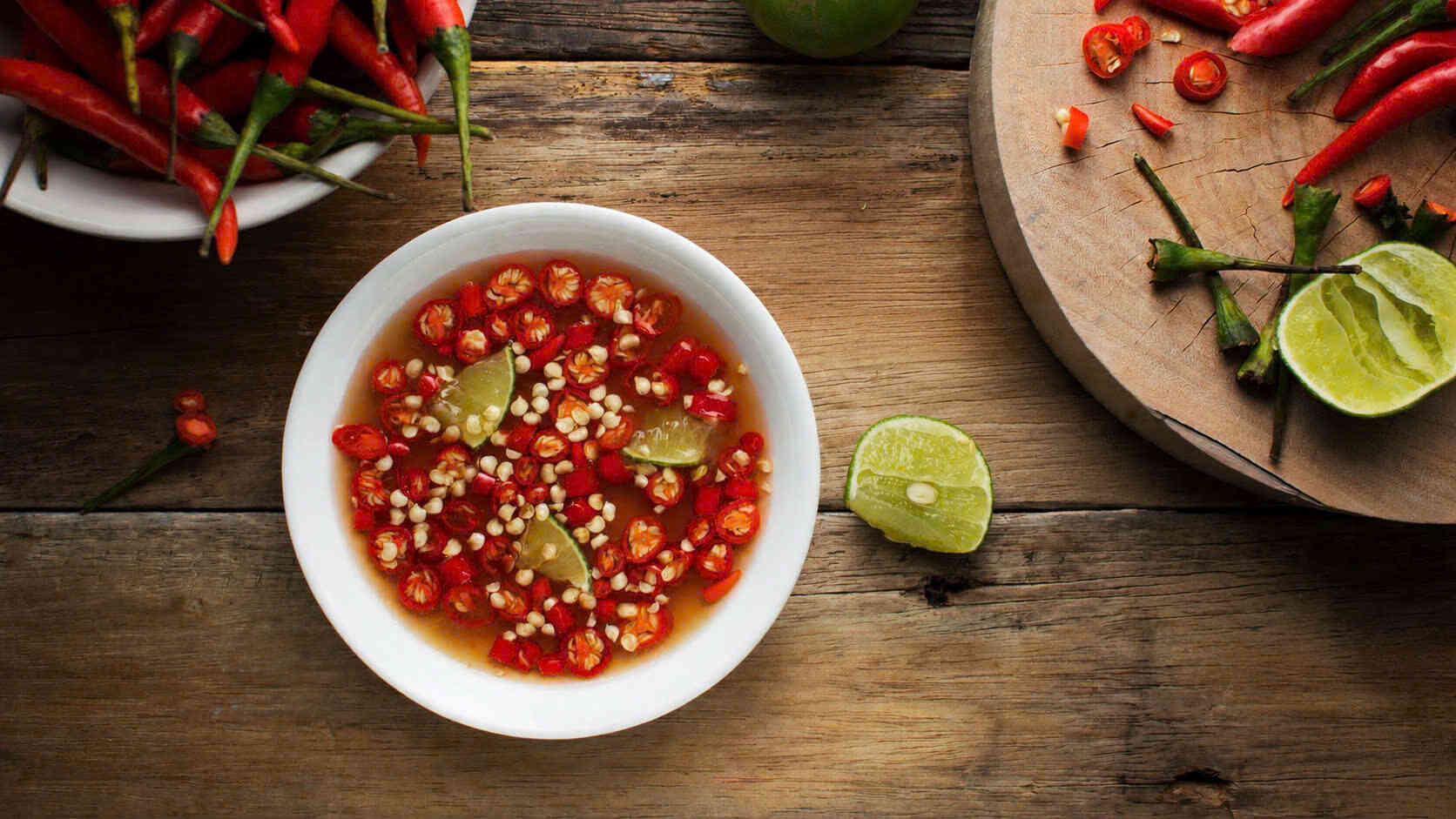
Fish sauce is a traditional spice containing a fairly high amount of salt. However, that does not mean that high blood pressure patients must eliminate it in an extreme way. Instead of strict abstinence, scientific dosage control can help patients both satisfy their appetite and support better blood pressure control.
Mechanism of sodium's impact on blood pressure
According to international cardiologists, to understand the effects of salty spices, we need to look at the physiological mechanism of sodium.
Eating a lot of sodium can cause the body to retain water, increase circulatory volume and affect blood pressure, especially in people sensitive to salt. As a result, circulatory volume increases, creating great pressure on blood vessel walls, leading to spikes in blood pressure levels. In the long run, a diet high in sodium can contribute to increasing the risk of cardiovascular complications, stroke, or kidney damage.
| Physiological stage | Short mechanism of action | Consequences for Blood Pressure |
|---|---|---|
| Eating salty food increases sodium levels in the blood, stimulating thirst. | The body replenishes water to proactively balance electrolytes. | |
| Kidneys reduce urination to dilute excess sodium. | Fluid volume and blood volume in the lumen increase rapidly. | |
| Blood circulation volume and pressure on the cardiovascular system may increase. | ||
| Blood vessels under prolonged high pressure lead to sclerosis and reduced elasticity. | May contribute to increased risk of stroke, heart failure or kidney damage. |
Are people with high blood pressure required to abstain absolutely?
People with high blood pressure accompanied by kidney disease, heart failure, edema, liver disease or being asked by doctors to eat bland food need to follow specific instructions. People with high blood pressure do not necessarily have to completely abstain from fish sauce.
Besides sodium, fish sauce may contain some amino acids and micronutrients, but should not be considered a major source of nutritional supplements because of its high sodium content.
The core principle is to control total sodium intake. The World Health Organization (WHO) recommends that people with high blood pressure should maintain below 2,000mg of sodium/day (equivalent to 5g of salt). Therefore, you can completely use fish sauce if you know how to regulate and cut down other sodium sources during the day.
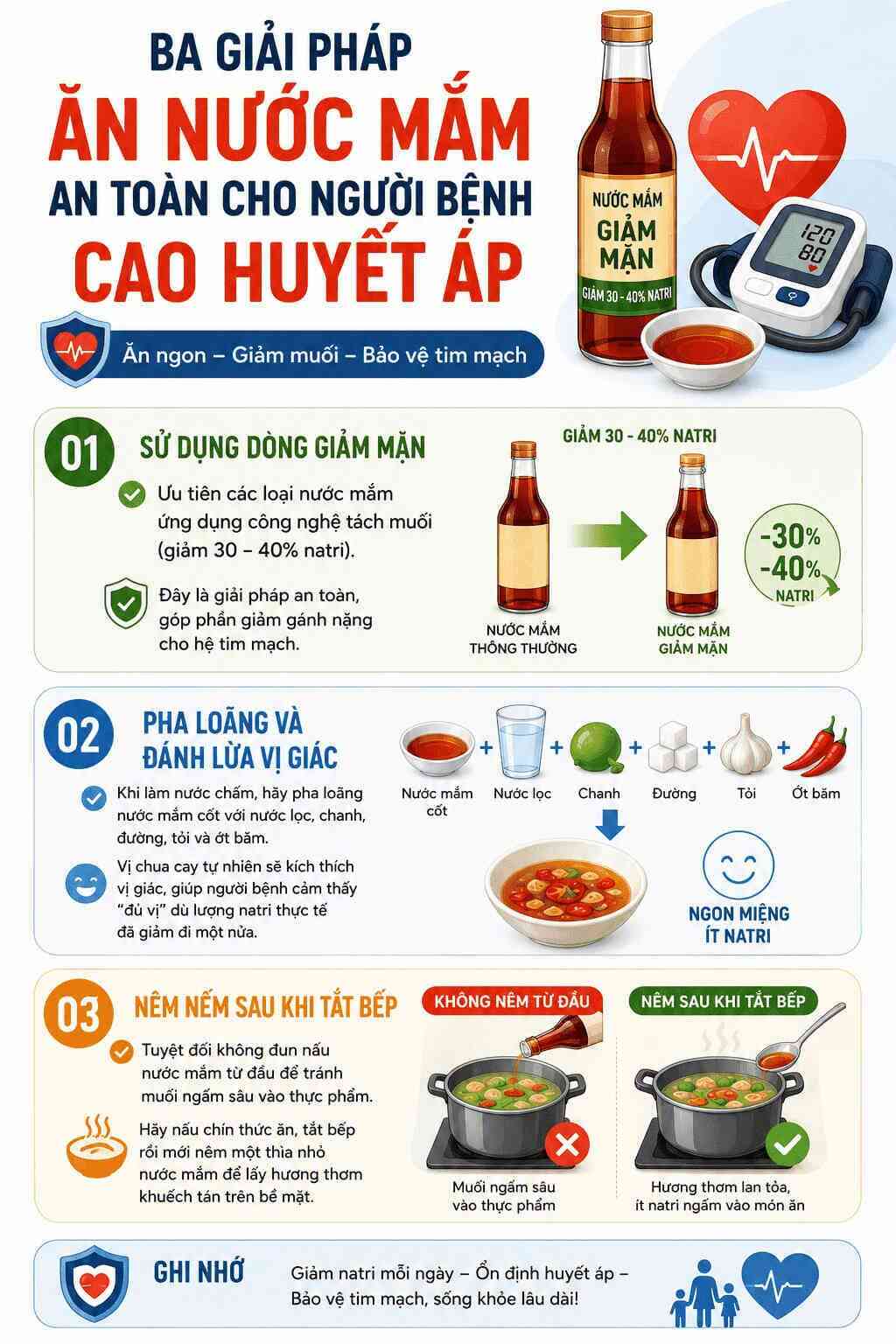
Three safe solutions for eating fish sauce for patients
To protect the blood vessel wall while the dish is still flavorful, housewives can apply the following 3 cooking tips:
Nutrition information is supportive and does not replace medical treatment regimens. You should talk directly to your doctor for accurate and appropriate advice to your health condition.
Quick quiz on how to eat fish sauce for people with high blood pressure
How much sodium can a high blood pressure patient consume maximum per day?
According to official recommendations from the World Health Organization (WHO) and the American Heart Association (AHA), people with blood pressure and cardiovascular disease should only consume less than 2,000mg of sodium per day (equivalent to about 5g of refined salt, i.e. 1 teaspoon). If you use fish sauce, calculate and cut down other seasoning sources to ensure that the total amount of sodium does not exceed this limit.
Is diluting fish sauce with lemon, garlic, and chili really beneficial for people with high blood pressure?
Yes. Nutrition experts from the medical website Healthline said that diluting spices combined with a natural sour and spicy taste helps "deceive" the taste buds. This method does not directly lower blood pressure, but it helps patients successfully reduce sodium consumption while the dish still has enough stimulating flavor, which can support controlling sodium intake in the diet.


