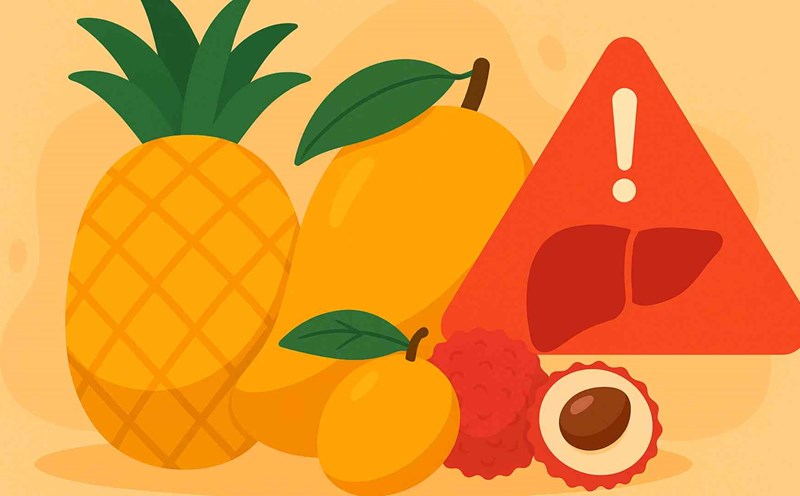
In addition to following medical treatment, diet, especially daily drinks, plays an important role in helping the liver recover. According to international experts, there are very familiar drinks, but people with high liver enzymes should limit them to the maximum.
Alcohol and beverages
This is the group of drinks at the top of the list to avoid. Alcohol is metabolized directly in the liver, increasing the burden on this organ and making liver cells more vulnerable. According to Mayo Clinic (USA), alcohol and beer are the leading causes of hepatitis, fatty liver and cirrhosis, especially in people with high liver enzymes. Experts warn that even moderate amounts of alcohol and beer can increase liver enzymes, hindering liver recovery. For people with high liver enzymes, abstaining or minimizing alcohol and beer is almost mandatory.
Carbonated soft drinks and sugary drinks
Soft drinks, milk tea, and energy drinks contain high levels of sugar, especially fructose, which can promote fatty liver disease and increase liver enzymes. Dr. Rohit Loomba, a bile liver expert at the University of California, San Diego (USA), said that fructose in soft drinks is "closely related to non-alcoholic fatty liver disease, a common cause of increased liver enzymes". When consumed regularly, the liver must convert large amounts of sugar into fat, leading to inflammation and damage to liver cells.
Bottled fruit juice
Many people mistakenly believe that bottled fruit juice is a healthy choice for the liver. However, these products often contain added sugar and very little fiber compared to whole fruits. According to nutrition experts from Cleveland Clinic (USA), drinking fruit juice regularly can cause the amount of sugar absorbed into the body to increase rapidly, putting pressure on the liver similar to soft drinks. For people with high liver enzymes, this habit can worsen metabolic disorders.
International experts recommend that people with high liver enzymes should prioritize filtered water, unsweetened herbal tea and whole fresh fruits. Limiting familiar but harmful drinks to the liver not only helps liver enzymes improve, but also contributes to long-term liver protection, reducing the risk of developing chronic liver diseases.