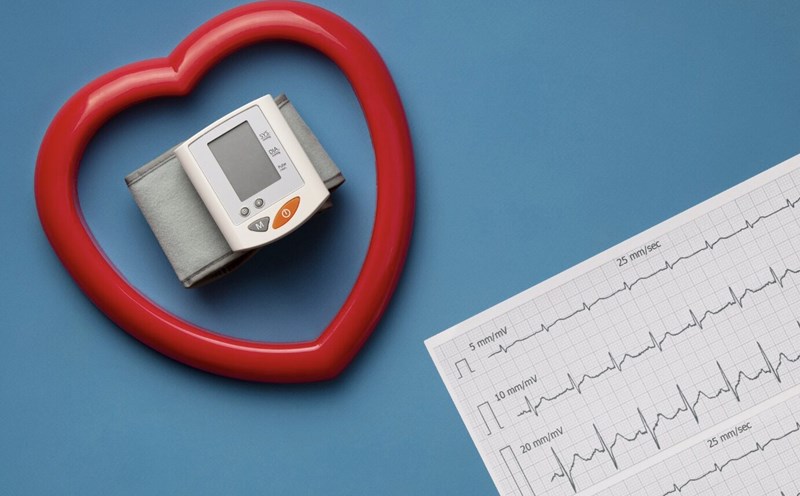
As age increases, the heart also undergoes many changes in structure and function. In winter, cold weather constricts blood vessels, increases blood pressure and puts more pressure on the cardiovascular system. An increasingly common condition in the elderly is slow heartbeat, which is defined when the heart beats continuously below 60 beats per minute.
In young people or athletes, slow heart rate can reflect good physical fitness. However, in the elderly, this condition is often associated with a decline in the heart's ability to transmit electricity, causing the amount of oxygen-rich blood to the brain and important organs to decrease.
According to Dr. Kartikeya Bhargava, Senior Director of Cardiophysiology and Arrhythmia at Medanta Hospital (Gurugram, India), the electrical system of the heart, especially the sinus nucleus, the natural arrhythmia, can degenerate over time. The process of fibrosis and calcification of heart tissue causes slow or interrupted electrical signals. In addition, common chronic diseases in the elderly such as hypertension, diabetes or coronary artery disease also contribute to increasing the risk of slow heartbeat.
What is worrying is that the symptoms of slow heartbeat in older adults are often unclear and easily confused with common signs of aging. Patients may feel prolonged fatigue, dizziness, lightheadedness, or reduced endurance when exercising. Some cases experience shortness of breath during daily activities, memory loss, or loss of concentration. Fainting is a more serious symptom but does not always occur frequently.
The diagnosis of slow heartbeat needs to be done carefully. According to cardiologists, the first step is to carefully exploit symptoms and medical history. An electrocardiogram helps record electrical activity of the heart at the time of examination. However, because slow heartbeat may occur intermittently, patients are often prescribed a Holter monitor for 24–48 hours or longer to detect potential arrhythmia. Blood tests are also performed to rule out other causes such as thyroid disorders or electrolyte imbalances.
Treatment direction depends on the cause and severity of the symptoms. In mild cases or due to drug side effects, dosage adjustment or drug changes may be sufficient to control the condition. For cases of slow heartbeat causing obvious symptoms, affecting quality of life or potential risk of complications, implantable pacemakers are effective solutions. Modern pacemakers, especially wireless machines, help reduce invasion, shorten recovery time and are suitable for the elderly.
Experts recommend that elderly people should not be subjective about fatigue, dizziness or prolonged energy loss, especially in the cold season. Early examination and regular heart rate monitoring help detect abnormalities in time, thereby protecting cardiovascular health and maintaining a dynamic life.