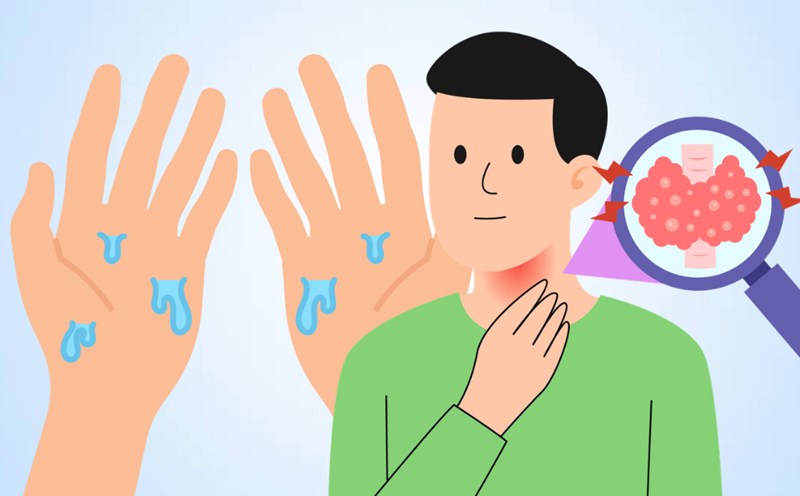
Waking up with clothes or bed sheets soaked in sweat is not a rare experience for many men. In some cases, the cause may just be hot weather, too thick blankets or stuffy bedrooms. However, if this situation occurs frequently, this may be a warning sign of health problems that need to be paid attention to.
Night sweating is the phenomenon of the body sweating excessively while sleeping, even when the surrounding environment is not too hot. This condition is sometimes underestimated, but lasting for many days or weeks can reflect abnormal changes in the body.
One of the common causes is hormonal changes. Decreased testosterone levels with age or due to the effects of certain drugs can make men more prone to sweating at night. In addition, obstructive sleep apnea syndrome is also considered a notable related factor. People with this condition often snore loudly, do not sleep deeply, wake up tired or drowsy during the day.
Infections and inflammatory reactions in the body can also cause body temperature to rise, leading to excessive sweating during sleep. In addition, some medications such as diabetes medication or medications that affect the nervous system can also cause this side effect.
Not only pathological factors, daily living habits also play an important role. Using alcohol, smoking, consuming a lot of caffeine or eating spicy and hot food in the evening can cause the body to sweat more during sleep.
In some cases, night sweats may be related to more serious medical conditions. Sleeping hypoglycemia in people with diabetes is an example. When blood sugar levels drop too low, the body may react by secreting more sweat.
Not all cases of night sweats require treatment. However, if this condition appears frequently, the amount of sweat secreted is high, or is accompanied by symptoms such as abnormal weight loss, fever, prolonged fatigue, poor sleep, or affecting daily activities, patients should see a doctor to determine the cause.
Early detection of the cause of night sweats not only helps improve sleep quality but also supports timely detection and treatment of potential health problems.