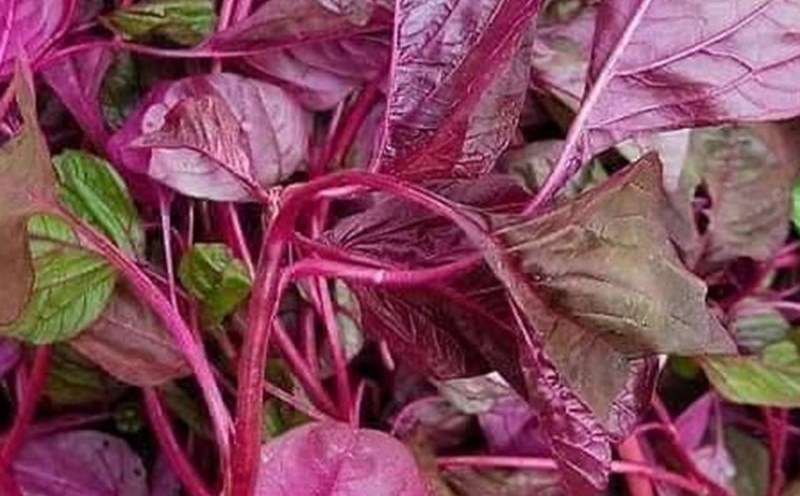
However, experts believe that not everyone should eat this vegetable regularly.
According to nutrition experts, amaranth contains many minerals such as iron, magnesium and potassium, which help support blood production and maintain the activity of the cardiovascular system. Iron in amaranth plays an important role in the formation of hemoglobin, a component that helps transport oxygen in the blood.
However, amaranth also contains relatively high levels of oxalate. This substance can combine with calcium in the body to form crystals, increasing the risk of kidney stones in people with sensitive constitutions.
Dr. Melissa Prest, a nutritionist at the Academy of Nutrition and Dietetics, said: "People who have had kidney stones due to oxalate should be cautious with foods high in these compounds, including some green leafy vegetables.
In addition, people who are having digestive problems or have chronic kidney disease should also consult a doctor before eating amaranth in large quantities. In some cases, consuming too much amaranth can make it difficult for the body to absorb some other minerals.
Experts recommend that to take advantage of the nutritional benefits of amaranth, people should eat it in moderation, combining a variety of other green vegetables in their diet. Simple processing methods such as boiling or cooking soup also help retain many nutrients, while supporting the body to absorb iron more effectively.