
The US is negotiating to purchase Ukrainian-made drone interceptor devices to deal with Iranian drone attacks across the Gulf.
The negotiations took place in the context that US and Israeli airstrikes on Iran have led to retaliatory drone and missile attacks across the region.
Some Gulf countries rely on Patriot missile systems to counter Iranian attacks, but the supply of interceptor missiles is rapidly running out as a large number of Iranian-made drones are being launched.
The variants of the Shahed-136 suicide drone are relatively cheap, about 30,000 USD/unit. Meanwhile, interceptor missiles such as the PAC-3 used in Patriot batteries cost more than 13.5 million USD/unit.
Ukrainian officials and representatives of the defense industry told the Financial Times that the price makes the Pentagon and Gulf countries consider Ukraine's experience in developing cheaper technologies to intercept Russian drones.
A Ukrainian official noted that discussions with the Pentagon are a "sensitive" topic, but "there is a significant increase in interest in Ukrainian drone interception systems, which can intercept Shahed drones at a very low cost".
On March 3, Ukrainian President Volodymyr Zelensky said he had contacted Qatari Emir Tamim bin Hamad al-Thani, UAE President Mohammed bin Zayed al-Nahyan about the use of Ukrainian drone counter-attack technology. "Ukraine's expertise in combating Shahed drones is currently the most advanced in the world," Zelensky affirmed.
Iran has launched hundreds of drones into Gulf countries since the outbreak of conflict. Because drones can be launched from mobile launchers and fly at low altitudes, they are more difficult to intercept with traditional missile defense systems designed for aircraft or ballistic missiles.
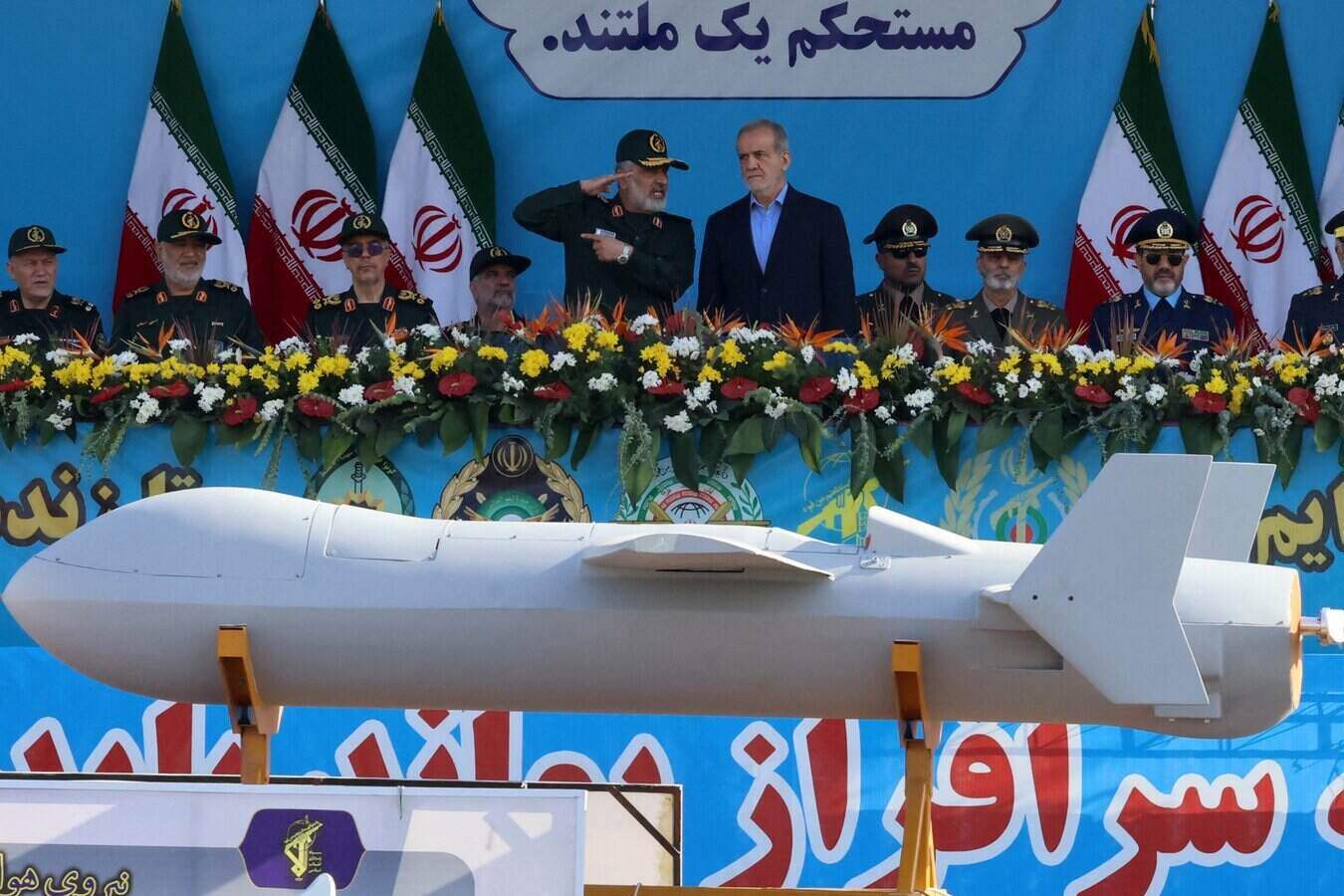
Ukraine faces similar challenges since Russia began launching large quantities of Iranian-designed drones into Ukrainian cities when the conflict broke out in 2022.
Kiev has developed into a multi-layered defense system, combining advanced missile batteries with cheaper interceptor tools.
Ukraine has deployed small interceptor drones designed to chase and destroy enemy drones at a relatively low cost. Some systems cost only a few thousand USD and can reach speeds of about 250 km/h, fast enough to intercept Shahed drones with a maximum speed of about 185 km/h.
Ukraine has also tested fixed-wing interceptor aircraft and artificial intelligence (AI) support systems to identify and track targets, such as Tytan.
A typical interceptor system can cost about 35,500 USD, including drones, ground control equipment, launch systems and software, a much lower cost than traditional missile interceptor systems.
With Ukraine, exporting cheap drone interceptor systems could bring another benefit in the context of conflict with Russia. If Gulf partners are less dependent on Patriot missiles, many of these advanced interceptor systems could be used for Ukraine.


