
Speaking to the press, First Deputy Chairman of the Kyrgyzstan Cabinet Daniyar Amangeldiev said that the country will act if the European Union (EU) decides to impose sanctions at the national level.
“That decision will leave consequences for our reputation. If that happens, we are ready to sue in court,” he said, while affirming that Bishkek has evidence that it has taken steps to comply with Western sanctions, but Brussels has not provided a clear mechanism for Kyrgyzstan to prove compliance.
According to documents cited by Western media, the European Commission has proposed banning the sale to Kyrgyzstan of some items that can be used for military purposes, accusing the country's companies of re-exporting to Russia, thereby weakening the effectiveness of sanctions related to the Ukraine conflict.
The named items include "bi-purpose" goods such as tool machines and electronic devices - products that can be used in the production of weapons and drones. If approved, this will be the first time the EU has imposed secondary sanctions at the national level and also the first time the bloc has used its power to evade sanctions.
EU documents suggest that since Russia launched a comprehensive military operation in Ukraine in 2022, Kyrgyzstan's imports from the EU of high-priority goods have increased by nearly 800%. Meanwhile, the country's exports to Russia have increased by 1,20%, showing a "high and continuous risk of circumventing sanctions".
However, the Kyrgyz side refuted that most of the import increase came from some large, high-value contracts with European countries, for example in the field of hydropower construction. Mr. Amangeldiev admitted that there were cases of goods transiting through Kyrgyzstan and then to Russia, but emphasized that the government is committed to preventing this phenomenon.
According to him, if there are violations, they should be handled at the specific level of individuals or businesses, instead of imposing sanctions on the whole country. "We do not want to add fuel to the conflict. Therefore, we strongly oppose the trading of banned goods," he said.
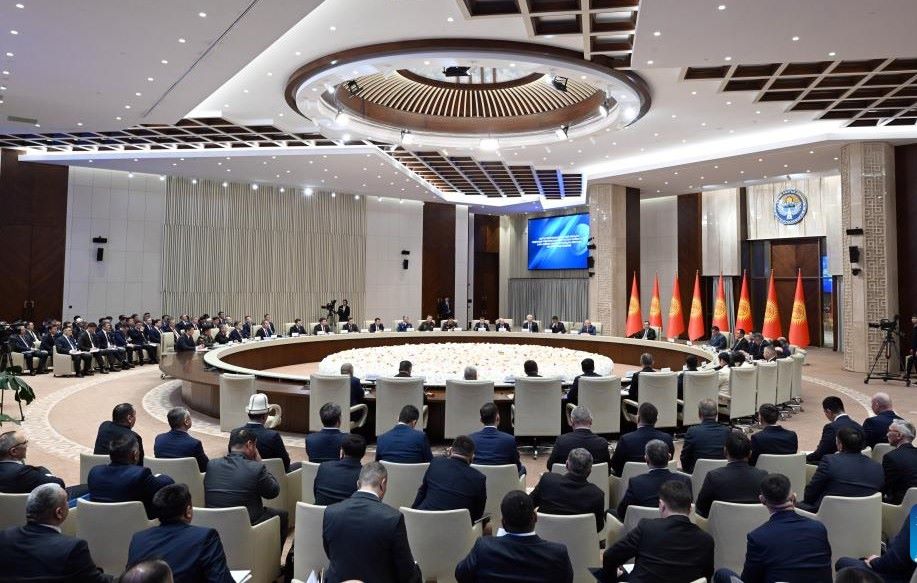
Last February, Bishkek sent the EU a set of documents presenting control and enforcement efforts, but according to Mr. Amangeldiev, Brussels has not clearly explained how Kyrgyz banks on the sanctions list could be removed.
Meanwhile, EU officials believe that Kyrgyzstan has repeatedly pledged to tighten controls but enforcement is still limited. EU sanctions special envoy David O'Sullivan emphasized that the EU does not require Kyrgyzstan to end trade relations with Russia, but only proposes not to participate in deliberately circumventing sanctions.
The controversy takes place in the context of the EU's 20th package of sanctions against Russia being blocked by Hungary due to disagreements related to oil supply through the Druzhba pipeline. The addition of sanctions at the national level is seen as a message showing the EU's determination to tighten loopholes.
However, some experts warn that the EU may face retaliatory reactions. According to Ms. Lina Aburous, a sanctions expert in Brussels, instead of just imposing tough measures, the EU should offer incentives such as improving market access to encourage cooperation.


