Israel's Magen David Adom (MDA) emergency service informed on June 16 that 4 people were confirmed dead and 87 injured after Iranian attacks on 4 locations in central Israel.
Officials in the city of Petah Tikva, near Tel Aviv, central Israel, said that Iranian missiles attacked a residential building there, burning down concrete walls, blowing up windows and causing heavy damage to many apartments.
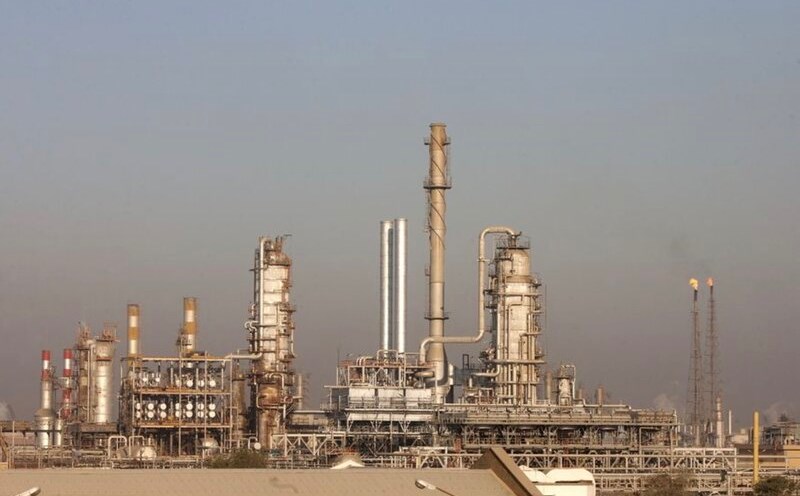
The search is underway in the northern port city of Haifa, where about 30 people were injured. The fire broke out at a power plant near the port.
Iranian state television said that Tehran has fired at least 100 missiles at Israel, signaling that the country has no intention of giving in response to international calls to ease tensions as it continues to retaliate against Israel's surprise attack on Tehran's nuclear facilities and military leadership on June 13.
Iran's Revolutionary Guard said the latest attack used a new method, targeting multi-layered Israeli defense systems.
The Israeli military has not commented on the latest attacks by Iran. However, Israeli officials have repeatedly said that the defense system is not 100% perfect and warned of the upcoming difficult days.
Previously, Israeli airstrikes on Iran on June 15 killed Iran Revolutionary Guard intelligence director Mohammad Kazemi and two other officers.
On the night of June 15, the Israeli military said it had attacked sites for planting surface-to-surface missiles in Iran.
Images from Tehran show the sky lit up at night with a large fire at a fuel depot as Israel began attacking Iran's oil and gas industry. This increases the risk to the global economy and the operations of the Iranian state.
A spokesperson for Iran's Ministry of Health said that the number of deaths in Iran has reached at least 224, of which 90% of the casualties were reported to be civilians.
The G7 leaders arrived in Canada on June 15 and the Israel-Iran conflict is expected to be a top priority on the agenda.
Before leaving for the summit on June 15, US President Donald Trump was asked what he would do to cool down the situation.
"I hope there will be an agreement. I think it is time to make a deal," he said.
German Chancellor Friedrich Merz revealed that his goals at the G7 summit include Iran not developing or possessing nuclear weapons, ensuring Israel's right to self-defense, avoiding conflict escalation and creating space for diplomacy.
Iran has said it is not ready for ceasefire talks while it is under Israeli attack.
Israel began the war with a surprise attack on June 13, killing Iran's top military commander, destroying its nuclear sites, and vowing to intensify the operation in the following days. Iran has said it will "open the door to hell" to retaliate against Israel.
President Donald Trump denied Iran's allegations that the US was involved in the Israeli attack and warned Tehran not to expand retaliation against US targets in the Middle East. However, two US officials revealed that the US military helped shoot down a number of Iranian missiles heading towards Israel.