
If Iran closes the Strait of Hormuz - the world's most important energy transportation route, the consequences will not only be geopolitical but also a direct shock to gasoline and oil prices in the US, a sensitive point in the context that living costs are the top concern of voters before the midterm elections.
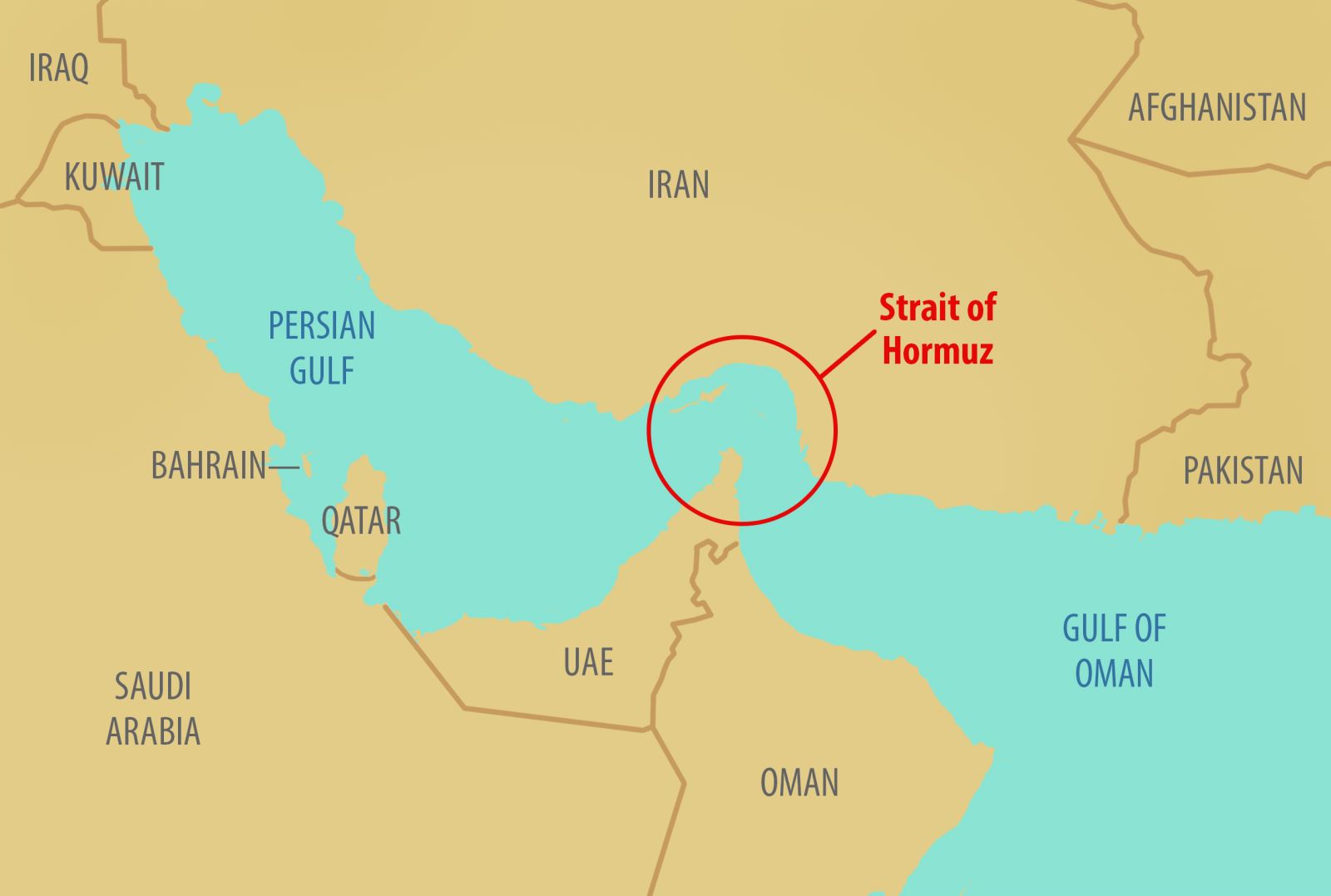
The Strait of Hormuz, located between Iran and Oman, is the gateway for oil and gas from the Gulf to the global market. About 20% of world oil and 20% of gas transported by sea passes through this narrow strait every day. As soon as transportation is disrupted, the energy market may lose supply from 6 of the world's 20 largest oil exporting countries.
Brent oil prices - the global benchmark - jumped 13% to over 82 USD/barrel when the Asian market reopened on March 2. Previously, crude oil futures closed around 67 USD/barrel, near a 7-month high. Analysts warned that if Hormuz is completely blocked, oil prices could continue to escalate sharply.
In the US, the impact will be clearly shown at gas stations. The current average gasoline price around 2.95 USD/gallon may jump to the middle of 3 USD in just a few months if supply is tightened.
In the context that the Democratic Party is expected to turn the cost of living into the focus of the midterm election campaign, the rapid increase in fuel prices could create significant political pressure on President Donald Trump and Republican senators supporting a tough strategy with Iran.
Signs of disruption have appeared. Photos of sea transport data show that ship traffic through Hormuz decreased significantly last weekend, although not completely stopped.
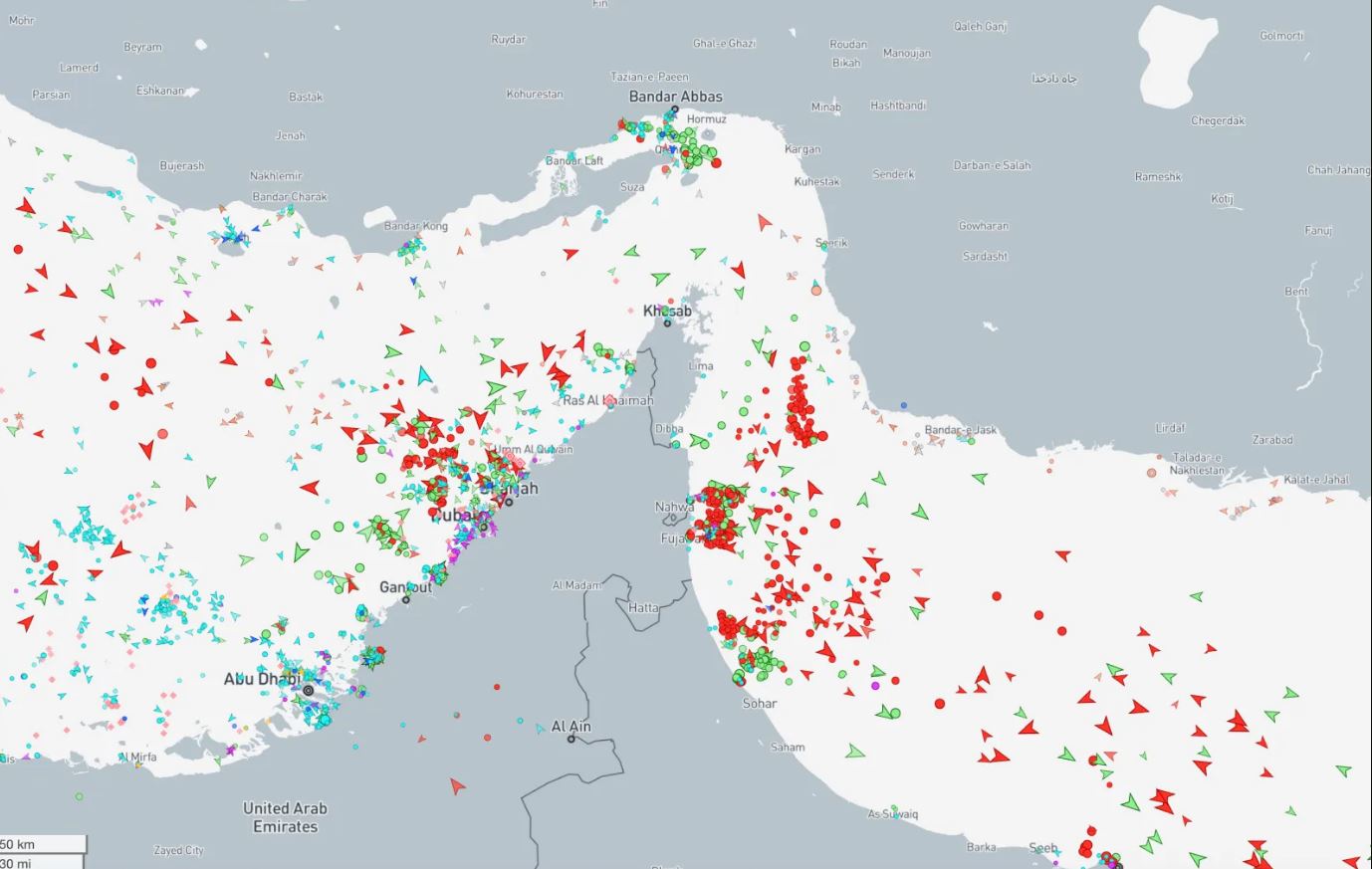
Maersk shipping company announced the temporary suspension of all ship trips through this strait until further notice, and also stopped the entire journey through the Suez Canal and Bab al-Mandeb Strait, choosing to pass through Africa.
Maritime insurance companies increase war risk premiums, even canceling some insurance terms.
The UK Maritime Security Organization UKMTO said it had received many urgent signals from ships in the area, saying that Hormuz was closed.
Meanwhile, Tasnim news agency - believed to be close to the Iranian Islamic Revolutionary Guard Corps - announced that the route has stopped operating, although the Iranian government has not made an official announcement.
Militarily, Hormuz is relatively easily interrupted. The narrowest point is only about 21 nautical miles, with two channels about 2 nautical miles wide in each direction. Iran can use naval mines, anti-ship missiles, unmanned aerial vehicles or conduct ship arrests.
However, Tehran has never completely blockaded this strait. Partly because that move would cause Iran to lose its own oil revenue when they needed foreign currency. Partly because of the precedent of 1988 after a US-flagged oil tanker was hit by an Iranian mine, Washington launched a large-scale retaliatory operation, dealt heavy blows to the Iranian navy.
The Chinese factor is also an important variable. Beijing receives about 25% of the oil passing through Hormuz, much higher than the proportion of the US - below 10%. Prolonged blockades could cause great damage to Tehran's strategic partner.
Although it is not clear whether Iran will actually close the Strait of Hormuz, this risk alone is enough to shake the market. In the current confrontation, the "Hormuz card" may not be the first choice, but it is a lever powerful enough to stir up the global economy and directly impact the wallets of US consumers.


