
On December 18, US President Donald Trump signed the National Defense Authorization Act (NDAA), approving a record military spending of $901 billion, and allocating $800 million in aid to Kiev in the next two years.
The bill outlines Pentagon priorities for fiscal 2026, allowing spending about $8 billion more than the government's initial proposal and marking the largest defense budget in US history.
The NDAA includes funding for weapons procurement, salary increases for soldiers, and major defense initiatives promoted by Trump.
The aid to Ukraine - $400 million a year under the Ukraine Security Assistance Initiative (USAI) - accounts for only a small part of the package, equivalent to less than 0.09% of total defense spending.
Unlike direct transfers from US reserves, USAI funds are used to pay US defense companies for the production and procurement of new weapons and military equipment for Kiev.
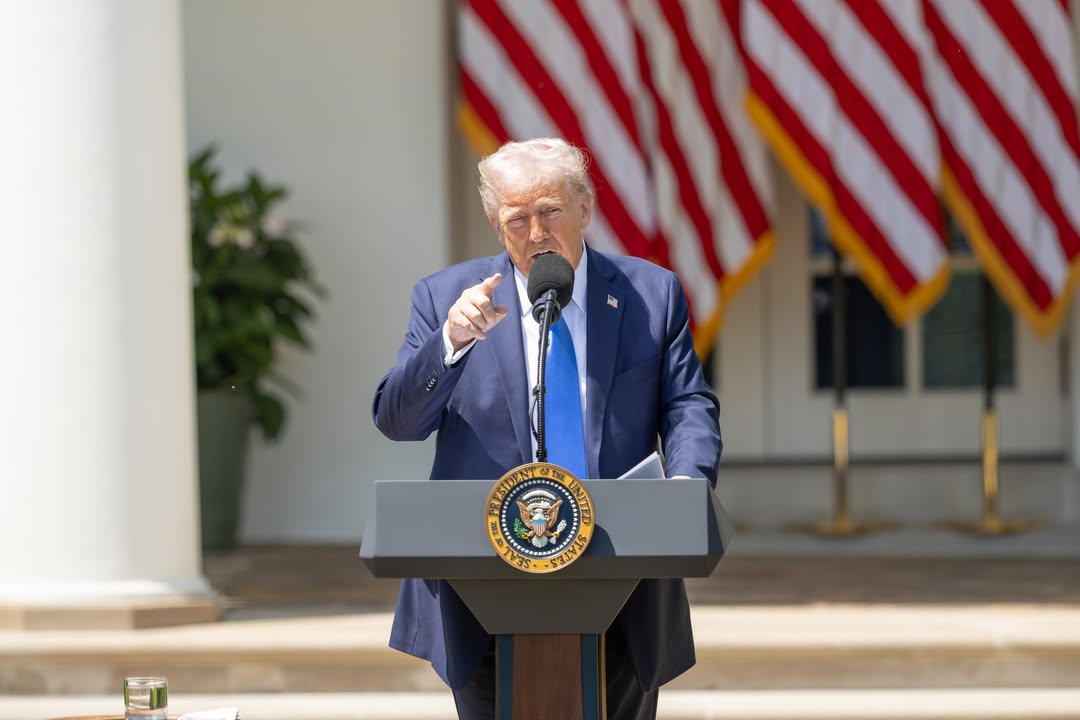
Observers say that despite the small scale of aid, the move is still surprising, as President Trump has repeatedly criticized the previous US administration for continuing to provide weapons to Ukraine, regardless of the amount.
Moreover, Mr. Trump has repeatedly declared that a peace deal in Ukraine is very close, following diplomatic efforts in which Washington plays a key mediator role.
Therefore, the resupply of weapons to Kiev has surprised political analysts, and at the same time raised questions about the true direction of the US in the process of resolving the conflict.
Some say the above aid is more symbolic than a long-term commitment, to maintain Washington's position in post-conflict calculations.
The use of the USAI mechanism also allows the US to strictly control the progress and scope of support, while limiting the risk of escalation. This approach is seen as in line with the message Mr Trump has repeatedly emphasized - prioritizing negotiations, but still maintaining the necessary strategic leverage.


