
The new liquefied natural gas (LNG) project called Polar LNG in Alaska is considering the possibility of reusing equipment previously manufactured for Novatek Russia's Arctic LNG 2 project - which is currently stalled due to sanctions.
According to the New York Times, the project is backed by US investors, including Mr. Joel Riddle - an American energy investor, currently known for co-founding and supporting the Polar LNG project - is seeking permission from the US government to buy back modules and equipment that have not been handed over, which are located in many factories in China after the Russian project was interrupted.
Mr. Riddle said the project is having a "very strong political momentum", in the context of volatile gas prices after the Hormuz Strait crisis, creating conditions to accelerate the implementation progress.
Polar LNG aims to build a near-shore liquefied petroleum facility in Northern Alaska, with a flexible modular design, expected to be deployed faster than the traditional LNG pipeline project in this state. Another notable investor is Gentry Beach - who is linked to the Donald Trump Jr. family, son of President Donald Trump.
On the Russian side, Novatek Group confirmed that it is discussing the possibility of applying its Arctic liquefied energy technology in Alaska, showing a scenario of indirect cooperation despite being bound by sanctions.
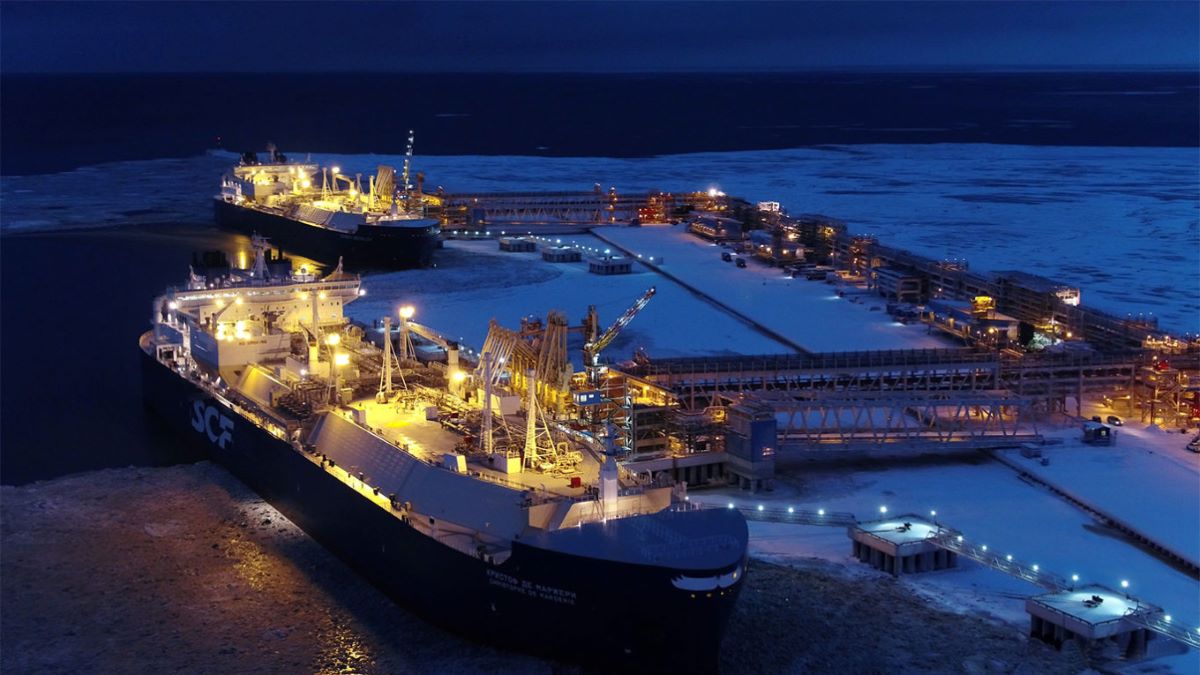
The idea of "renaising" equipment stems from the fact that many modules of Arctic LNG 2 have not been completed or handed over. However, the fact that only a small part of the equipment has been completed and the design difference between the two projects makes compatibility still a big question mark.
Transportation is also a challenge. Arctic LNG projects need specialized icebreakers, while many ships of this type are stuck due to sanctions related to Russia. Re-allocating or building new ships will determine the feasibility of the project.
More importantly, any deal related to Arctic LNG 2 equipment may require exemption from sanctions from the US - a factor that is still uncertain in the context of geopolitical tensions.
However, Alaskan authorities are pushing their ambition to bring the state back to the global LNG map, especially as demand for gas outside of Russia increases. If the "stuck" equipment is utilized, the project can shorten time and significantly reduce costs, but the road ahead is still full of risks.


