
On March 9, Russian President Vladimir Putin affirmed that liquefied natural gas (LNG) production from the Middle East has fallen sharply. According to his assessment, the region has lost a significant part of its production capacity and the recovery process will last several weeks, even months. This directly threatens the stability of the world energy system in the current complex geopolitical context.
The Russian leader emphasized that the market cannot immediately compensate for this shortage. The inevitable consequence is that global gas prices are recording a sudden increase, far exceeding the rate of increase of oil prices. The statement was made when energy infrastructure in the Middle East is continuously affected by conflicts, disrupting vital maritime transport routes.
The disruption of supply from the Middle East is creating a chain reaction to gas net importing countries, especially in Europe and Asia.
Tightening LNG supply not only affects heavy industries but also poses risks to the civil energy security system. Governments are making efforts to find alternative sources of supply to fill stockpiles, but fierce competition has caused access to goods costs to increase to record highs.
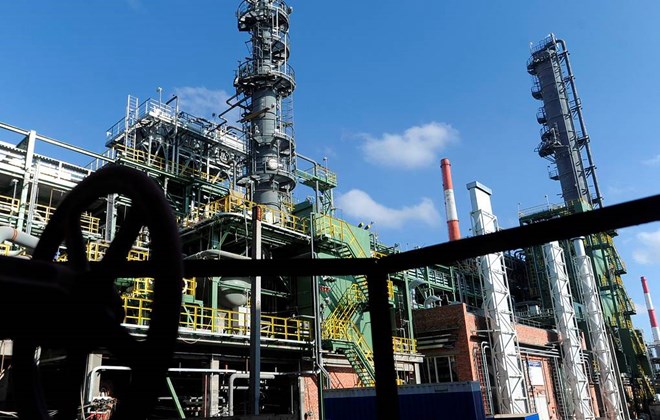
This disruption reveals loopholes in the global energy supply chain that is too dependent on unstable areas. When liquefied petroleum plants stop operating, the time to restart complex technical systems is often very long, requiring strict safety inspection procedures. Therefore, even when the conflict subsides, supply cannot recover immediately to cool down the price fever.
According to President Putin, the supply-demand imbalance is putting energy exporting countries in a key position in regulating the market. However, with the damaged infrastructure in the Middle East, the prospect of price stability in the short term is still unclear. Countries need to urgently restructure their energy security strategies to cope with the prolonged period of volatility.
The current crisis also poses an urgent requirement for diversification of supply sources. Dependence on distant shipping routes is becoming a major risk for LNG solutions. These developments may accelerate the trend of returning to intra-regional or nuclear energy sources to ensure autonomy in the context of increasingly unpredictable world geopolitics.


