
Russia has repeatedly proposed receiving Iran's high-enriched uranium (HEU) since the conflict between the US, Israel and Tehran broke out at the end of February 2026. However, according to the Kremlin, this initiative is not yet on the negotiating table, mainly because the US is not interested.
What is Russia's proposal?
According to estimates by the International Energy Agency (IAEA), Iran currently possesses about 440kg of 60% enriched uranium - much higher than civilian demand (only 3-5%). This material is mainly stored at nuclear facilities such as Natanz and Isfahan, which were attacked in 2025.
Russia's proposal is to transport and store this amount of uranium outside Iran, in order to reduce the risk of nuclear escalation. Russian national nuclear power corporation Rosatom affirmed its capacity to carry out this task, emphasizing its long-term cooperation experience with Tehran.
Experts believe that, technically, Russia is fully capable of handling and transporting HEU, although this process in conflict conditions will be very complicated. Operations will require close coordination between stakeholders to avoid security risks and accidents.
Unprecedentedly complex operation
One of the biggest challenges is the actual status of this uranium. Because Iran's nuclear facilities have been air-bombed, collecting and accurately determining the remaining volume is extremely difficult.
Experts believe that if deployed, this could become the most complex uranium relocation campaign in history. Not only is it necessary to ensure transportation safety, but the parties also have to deal with the risk of pollution, material loss and geopolitical tensions.
However, many opinions believe that this problem is not impossible to solve. With the participation of the IAEA and intermediary countries, the process of control, monitoring and handling can be designed to minimize risks.
Why Russia?
One of the main reasons Russia's proposal is being noticed is the level of trust between Moscow and Tehran.
Russia also has practical experience in treating high-enriched uranium. In the past, Moscow cooperated with Washington to convert hundreds of tons of Soviet-era uranium into fuel for US nuclear power plants.
Nuclear relations between Russia and Iran also have a long history, typically the Bushehr nuclear power plant project, where hundreds of Russian experts used to work.
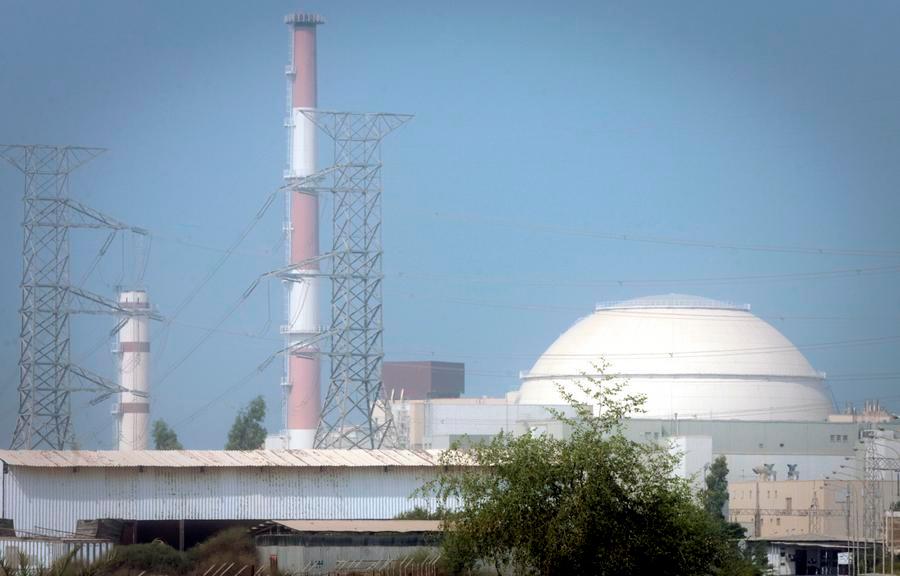
Although the US, Europe or China all have similar technical capabilities, Russia is still considered the most suitable choice for Iran in the current context.
The mystery named Donald Trump
Although technically feasible, the future of this proposal still largely depends on political decisions from Washington. President Donald Trump's administration has not shown signs of support, while the real goal of the US in the conflict with Iran is still controversial.
Some experts believe that Russia's initiative could become a mediating solution to help reduce tensions and pave the way for negotiations. However, when the parties have not reached a strategic consensus, all scenarios remain at a potential level.
In the context of the Middle East continuing to fluctuate, Russia's proposal shows that the nuclear game is not only a military issue, but also a complex diplomatic problem.


