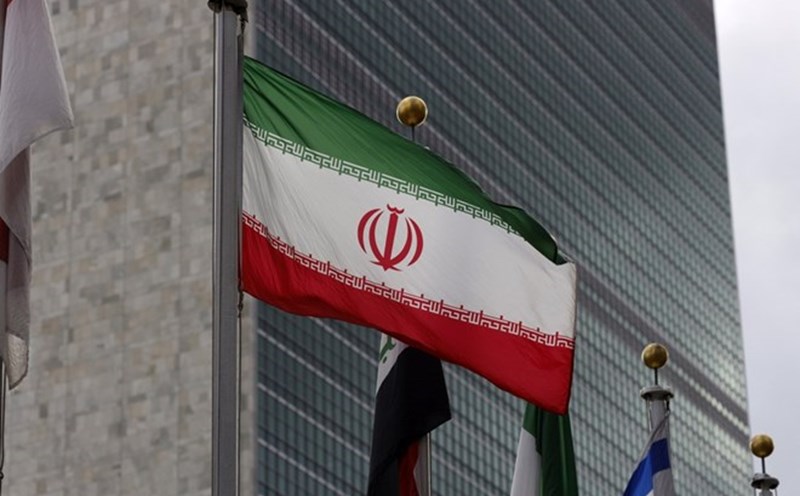
On January 4, the latest wave of protests in Iran began to break out from the capital Tehran and broke out in the city of Fasa (southern Iran), where protesters attacked a local government building on December 31.
In Lorestan province (western), crowds also took to the streets chanting slogans demanding institutional change.
Records show that the spark for the outbreak in these 32 cities was the collapse of the domestic currency. Rial hit a historical low: 1.4 million Rials for 1 USD on January 4.
Initially, the gatherings originated from small traders closing their stores to protest the poor business conditions. Food prices increased by an average of 50% compared to the same period last year, eroding people's purchasing power.
However, the nature of the protests quickly changed. From economic complaints, the crowd began to chant political slogans, demanding a change in the leadership apparatus.
Although the scale of these gatherings is smaller and lacks an iconic figure like Mahsa Amini, observers believe that people's outrage stems from despair about the country's economic future.
Mahsa Amini, 22 years old, died in 2022 after being arrested and beaten by police for violating the hijab law, which sparked protests in Iran.
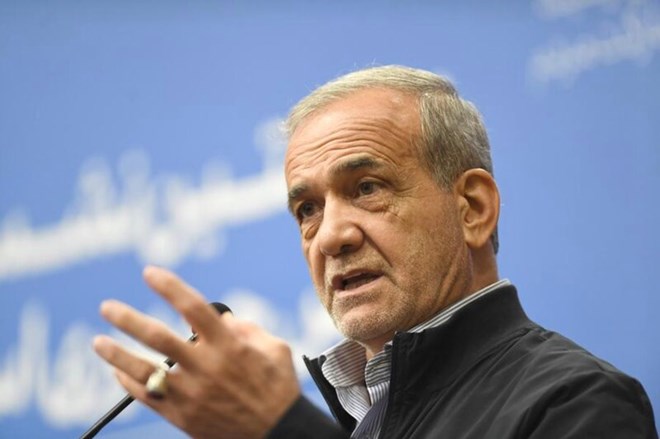
Iranian President Masoud Pezeshkian has directed functional agencies to listen to the "legitimate requests" of the people and seek dialogue. However, the actual situation on the streets is still tense.
According to the Iranian Center for Human Rights (headquartered in New York), security forces have taken strong crackdowns. At least 10 people have been confirmed dead and hundreds of others have been arrested.
The wave of internal instability takes place at a time when Iran is under great geopolitical pressure. The 12-day military conflict with Israel in June last year left heavy losses in infrastructure and defense prestige.
In addition, recent tough statements from US President Donald Trump about the possibility of military intervention if protesters are suppressed have increased tensions.
Senior Iranian security officials, including Mr. Ali Larijani, have accused the US and Israel of being behind the instigation of these riots. However, many protesters affirm that their main motivation is livelihood pressure and the desire to reform the country, not external influence.