
At a press conference on April 13, after winning the election on April 12, Hungarian Prime Minister-elect Péter Magyar affirmed that the government will prioritize purchasing crude oil and gas in the "cheapest and safest" way. This statement seems to contradict his campaign promise to completely eliminate energy imports from Russia by 2035.
He emphasized that geographical factors are unchangeable and Budapest needs to ensure energy security based on economic reality. Mr. Magyar's statement was made in the context that the European Union (EU) is preparing for a roadmap to end energy imports from Russia by the end of 2027.
His suggestion that the EU should consider lifting sanctions against Russia's energy in order to reduce the cost burden on consumers has raised concerns about the unity in the bloc's foreign policy. This shows that the leaders in Brussels may continue to face challenges similar to the ruling period of their predecessor Viktor Orbán.
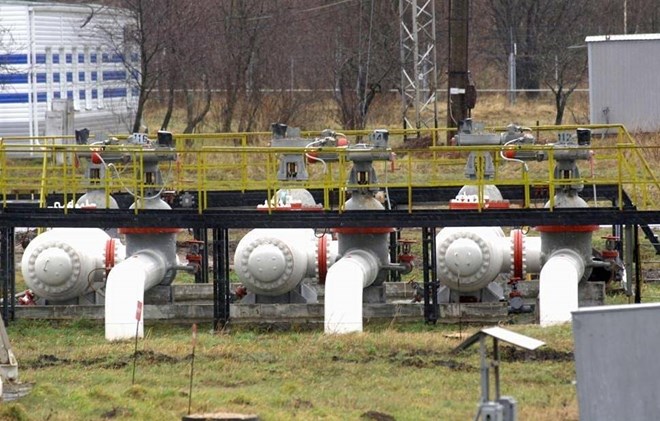
Currently, Hungary is one of the countries with the highest dependence on Russian energy in the region, accounting for about 90% of the supply. The country's economy has been under great pressure since the Druzhba pipeline - the crude oil transport route from Russia to Hungary, passing through Ukrainian territory - was damaged by fighting in January.
The decrease in flow through this pipeline to zero (0) in February and March forced Hungary to mobilize strategic reserves and cut capacity at domestic oil refineries.
To solve the shortage, the National Oil Corporation MOL has increased crude oil imports by sea through the port of Omišalj in Croatia and the Adriatic pipeline system.
According to data from Kpler analysis unit, imports through this channel reached 100,000 barrels per day in March, mainly oil from Libya and Norway.
However, economic experts believe that the transition to alternative suppliers will significantly reduce Hungary's competitive advantage. Logistics costs and higher input prices from non-Russian oil sources are directly narrowing the profit margin of the country's refining and petrochemical industry.


