
Swiss bank UBS believes that this package of measures is "excessive" and "not taking into account the concerns" raised during the consultation process. UBS emphasized that the bank resolutely opposes the proposed package of measures. If passed, these measures "will cause significant consequences for the Swiss economy".
Switzerland's largest bank believes that the government's document contains comments that the bank assesses as "misleading". Currently, UBS is studying the entire document and will make further comments at the latest when announcing Q1 business results next Wednesday.
Previously, on April 22, the Swiss government approved tightening regulations for banks of systemic importance. Accordingly, the Government submitted to the National Assembly a proposal requiring banks of this type to use high-quality core capital to ensure the full book value of their holdings in subsidiaries abroad. Currently, in fact, only UBS is directly affected.
Switzerland's plan may force UBS to add about 20 billion USD in capital. The bill, promoted by Finance Minister Karin Keller-Sutter, requires UBS to guarantee 100% of capital for foreign units in the parent company.
The change is aimed at overcoming the weakness that was said to have contributed to the collapse of Swiss bank Credit Suisse, in which units abroad faced difficulties and could not sell without seriously damaging the parent bank's solvency.
Speaking at a press conference after announcing the plan, Ms. Keller-Sutter said that the government "absolutely agrees" with these measures and has made significant concessions to UBS. By easing some technical factors, the government expects to gain political support for this important reform.
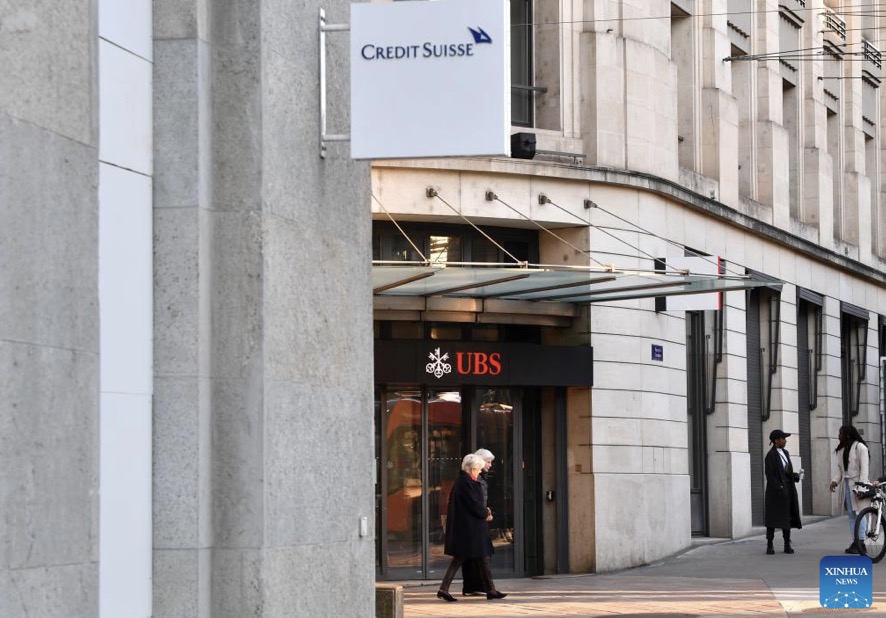
The government said that the Federation Council, the Swiss Central Bank and the FINMA supervisory body "agreed that the proposed measures are reasonable, necessary, have clear objectives and UBS can manage them". UBS leaders, including Chairman Colm Kelleher and CEO Sergio Ermotti, have repeatedly voiced opposition to the main contents of the proposal.
According to Bloomberg Intelligence analyst Philip Richards, these proposals seem not enough to "reduce investors' concerns about future affordability.
The legislative process is expected to last at least until next year and could lead to significant changes, especially when UBS has the opportunity to lobby with lawmakers. A parliamentary committee is scheduled to hold its first closed-door discussion session on May 4.
For UBS, higher capital requirements may limit the ability to expand internationally and pay investors, even though the bank is still making high profits. UBS is expected to announce its business results on April 29, with net profit estimated to increase to about 2.4 billion USD, according to Bloomberg's forecast.


