
Izvestia reported that Russia's declaration of complete control of the LPR territory from April 1 is assessed by experts as an important turning point on the Ukrainian battlefield. Not only of military significance, this development could also become a new "bargaining chip" for Moscow in future negotiations with Kiev.
According to analysts, when one of the key areas in Donbass is controlled, Russia has conditions to consolidate its position and create greater pressure on Ukraine. This may cause future negotiation terms to lean in favor of Russia, especially if the conflict lasts.
Military expert Vasily Dandykin said that after stabilizing the battle lines in the area bordering Lugansk, Kharkov and Donetsk, Russia's attack direction is likely to shift to the north. The attacks are forecast to pass through Krasny Liman, Svyatogorsk before approaching Slovyansk - one of Ukraine's strategic strongholds.
According to him, the main force in this period will be the Western Combat Group, in the context that Ukraine's air defense system has significantly declined and many important defense areas in the LPR have been broken. This may create conditions for stronger attacks in the next 2 months.
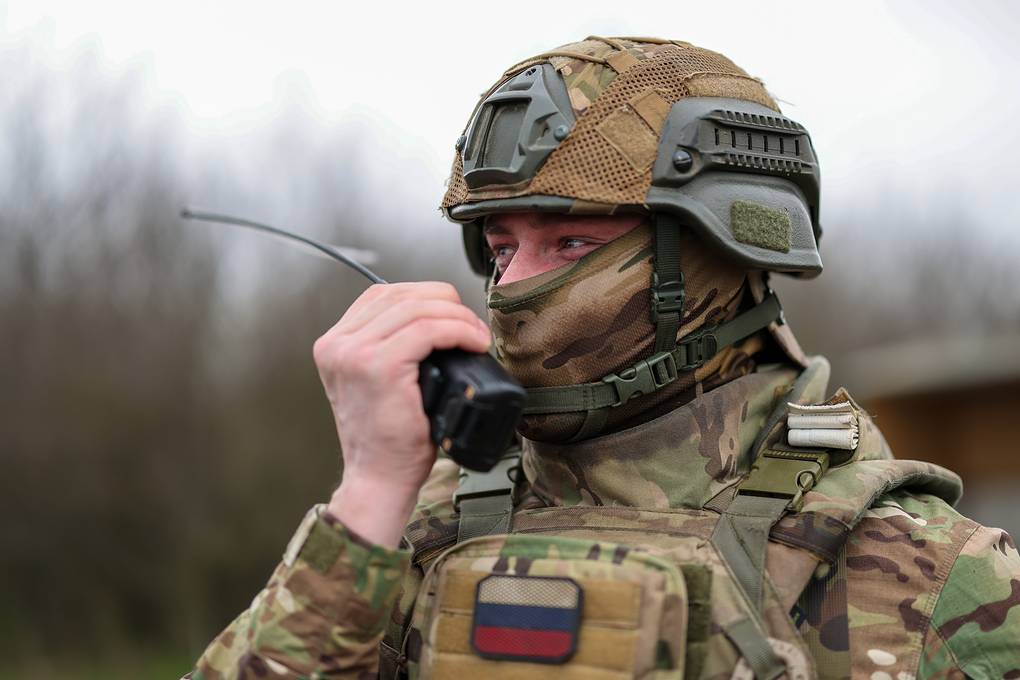
Meanwhile, military expert Viktor Litovkin emphasized that Russia's key goal is still to control the entire Donetsk region - a step considered decisive if Moscow wants to reshape the situation on the eastern battlefield.
However, contrary to the assessments of tactical advantages, some opinions suggest that controlling the LPR may not immediately create a breakthrough at the negotiating table. Political analyst Yury Svetov believes that Kiev will not easily concede just because of changing the situation in a region.
In fact, the negotiation process between Russia, Ukraine and the US is falling into a state of freeze. The most recent meeting between the parties took place in Geneva (Switzerland) in mid-February, but since then there has been no significant progress. The main reason is believed to be that the US shifted its focus to the Iran war, causing the Ukraine dossier to be pushed to secondary status.
Analyst Bogdan Bezpalko said that the negotiation process has fallen into deadlock and can only be unlocked if the geopolitical context changes, especially when the prolonged conflict in the Middle East forces the US to disperse resources.
In that context, international political factors emerge as key variables. US President Donald Trump is said to be increasing pressure on NATO allies to adjust the strategy of supporting Ukraine, while still having to balance resources for many global hotspots.
Russia's control of the LPR is therefore not only a story of the battlefield, but also a test of the balance of power and political will of the parties involved.


