
In the remote section around the Yarlung Tsangpo River in Tibet, away from the blooming coast, China is realizing its most daring infrastructure ambition in history.
A giant hydropower system is slowly forming in the area known as the "water tower of Asia", with an expected power generation capacity of 3 times the Three Gorges Dam - the largest hydropower project in the world today.
International experts assess that this is an unprecedented technical work in human history. Taking advantage of the height difference of up to 2,000m in the world's deepest canyons, Chinese engineers plan to dig huge tunnels through the mountain to conduct water through underground power plants.
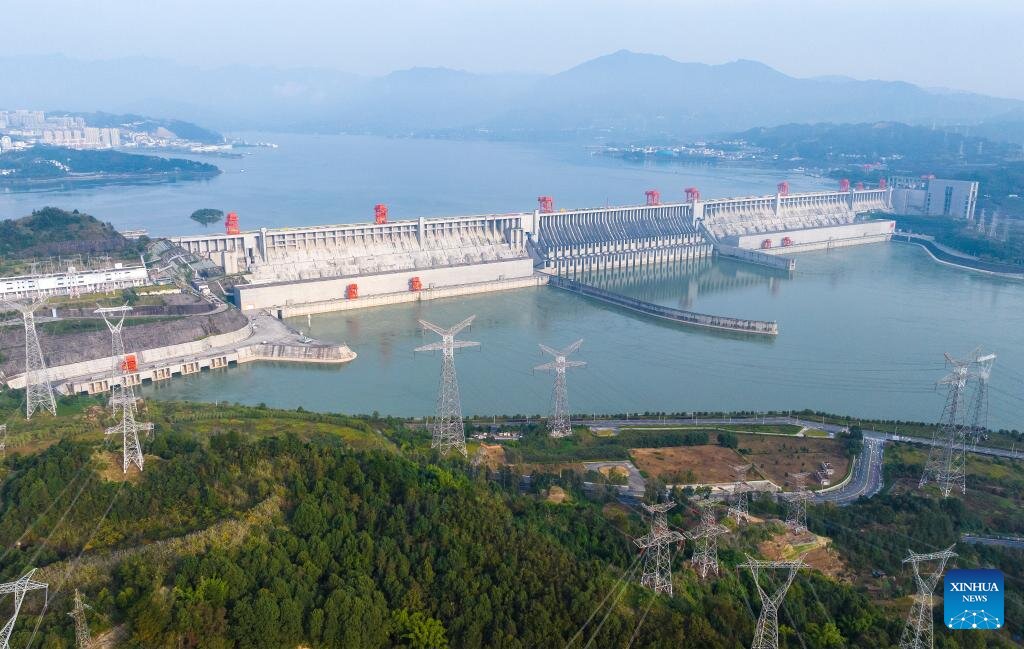
Although satellite images and leaked documents show that road construction, bridges and residents' relocation have begun to bustle since July, detailed information about the technical design is still kept secret by Beijing as a national secret.
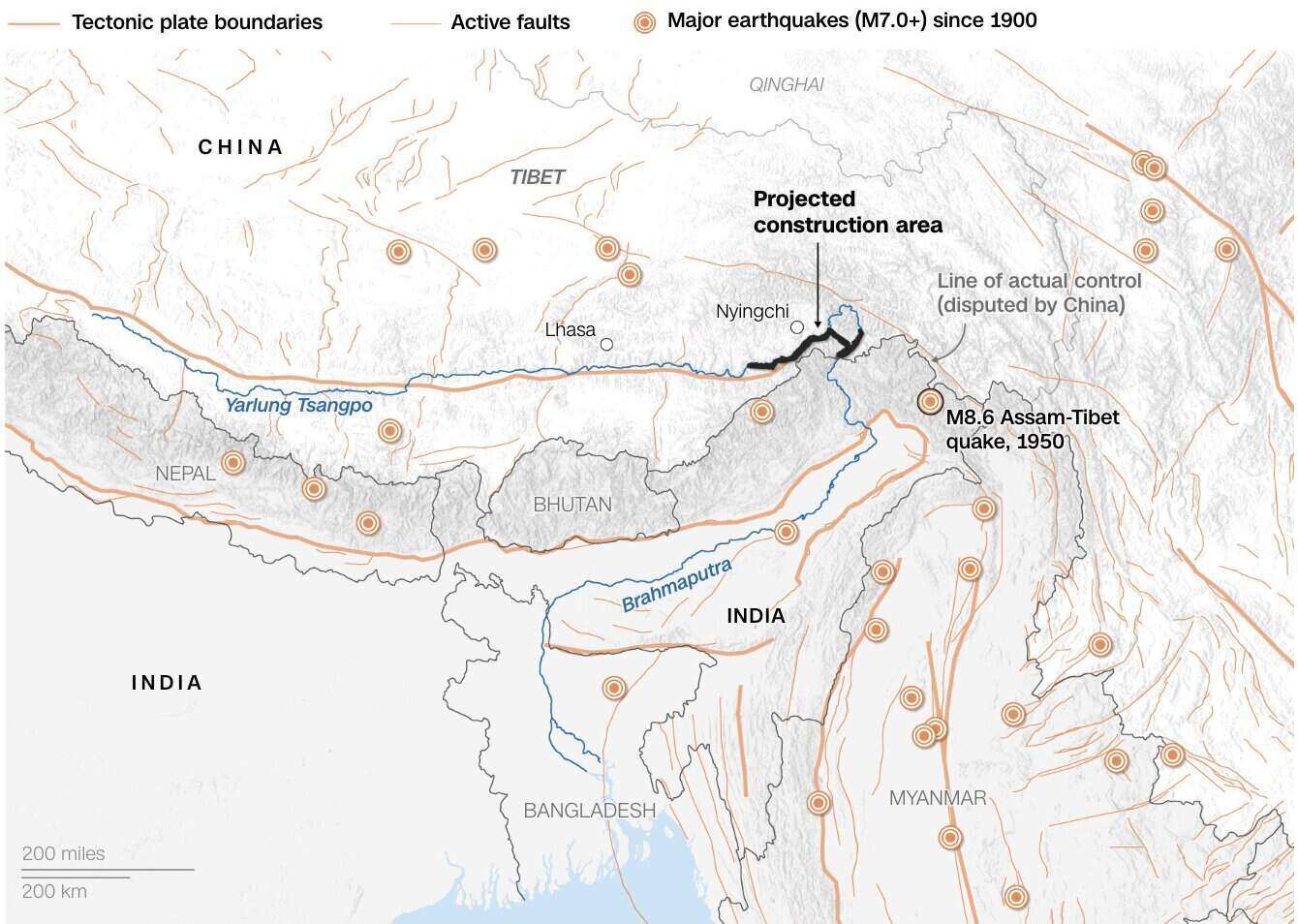
The mystery surrounding this project is making neighboring countries, especially India, worried. The dam is located right next to the border, where the river flows downstream and is renamed Brahmaputra - the artery that feeds tens of millions of people in India and Bangladesh.
Indian media has compared the project to a giant "water bomb" hanging over its head, fearing that China could use control of the flow as a strategic weapon.
Not only causing geopolitical tensions, the project also faces terrible environmental risks.
Geologists warn that the construction of a super dam and a giant reservoir in one of the most seismically active areas on the planet is a risky gamble. If an earthquake or landslide occurs, the consequences for the downstream area will be immeasurable disasters.


