
On December 24, according to British media, Ukraine is looking forward to 2026 with a financial support package worth 90 billion euros approved by the European Union (EU). This budget is determined to be enough for Kiev to maintain its current defense intensity until the end of 2027. However, observers say that this cash flow only helps maintain the game and is unlikely to create a major turning point on the field.
Regarding the military situation, the US side assessed that Russia is taking the initiative but the pace of advancement is very slow. To win every square meter of territory, Moscow is having to trade it for a huge loss of human resources. Intelligence estimates show that the current advance has caused the Russian army to suffer about 382,000 casualties each year.
US officials predict Ukraine is at risk of losing the remaining part of Donetsk Oblast (about 22% of the area). However, to achieve this goal, Russia will need at least another year, accompanied by a terrible price of about 400,000 soldiers.
Despite causing great damage to the enemy, Ukraine is also facing serious tactical challenges. Bohdan Krotevych - former Chief of Staff of the Azov Brigade - warned about the shortage of reserve forces after widespread counter-offensive campaigns.
"Ukraine needs to switch to dynamic defense for at least 6 months. The top priority at this time must be to re-create reserve forces," Mr. Krotevych emphasized. This view stems from the fact that counterattacks such as in the Kursk region or efforts to keep Russia in Pokrovsk have seriously eroded Kiev's elite military resources.
Meanwhile, the difference in the ability to add troops is very obvious. Economist Janis Kluge estimates that Russia is still recruiting about 30,000 new recruits per month, just enough to cover daily losses on the front line.
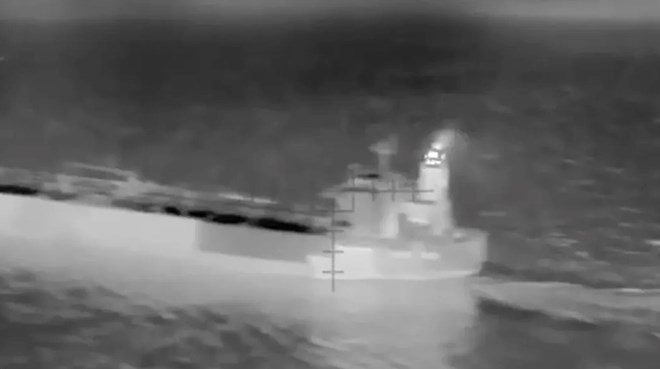
Faced with a deadlock in ground forces, Ukraine is shifting its hopes to the economic front. Kiev has continuously carried out bold strikes using unmanned aerial vehicles (UAVs) targeting key energy infrastructure, refineries and Russian oil tankers.
This "economic hit" tactic has initially shown its effectiveness. Data shows that Russia's oil tax revenue fell as much as 34% in November. Kiev's goal is to skyrocket the cost of the conflict in Russia by disrupting exports and increasing the cost of maritime transport insurance.
Observers say that Ukraine's most realistic prospect now is to maintain a defense of the route to prevent Russia's advance, use economic leverage to put pressure, and wait for changes from the political front in the US in the coming time.


