
2025 closes with a relatively stable Vietnamese economic picture in the context of many global uncertainties. Stepping into 2026, the story of Vietnam's economic growth is not just fast or slow, but which foundation growth is based on.
Meanwhile, with the growth target of 10% or more set by the National Assembly, the reform requirement is raised to a new level. Accompanying the high growth target for 2026 are the requirements for reform and improvement of institutional quality at an unprecedented level, much higher than previous resolutions and documents of the Party, National Assembly and Government.
According to Dr. Phan Duc Hieu - a full-time member of the National Assembly's Economic and Finance Committee, the core challenge is not in the 10% growth target, but in simultaneously implementing the requirement of high growth and maintaining macroeconomic stability, major balances of the economy. In the context that policy space is no longer abundant, this is not only a problem for 2026 alone, but also pivotal for the next stage.
Therefore, Resolution 244/2025/QH15 not only sets high growth targets, but also identifies institutional reform as the focus, considering this as a prerequisite for reducing costs and improving the competitiveness of the economy.
A special highlight in Resolution 244, according to Dr. Phan Duc Hieu, is the requirement to reform administrative procedures with a very high level. This reform is not only aimed at "creating favorable conditions for production and business", but is placed in the logic of reducing costs and improving the competitiveness of the economy.
The resolution aims to abolish 100% of regulations considered barriers and unclear for production and business activities, and at the same time cut at least 50% of time costs and administrative procedure compliance costs.
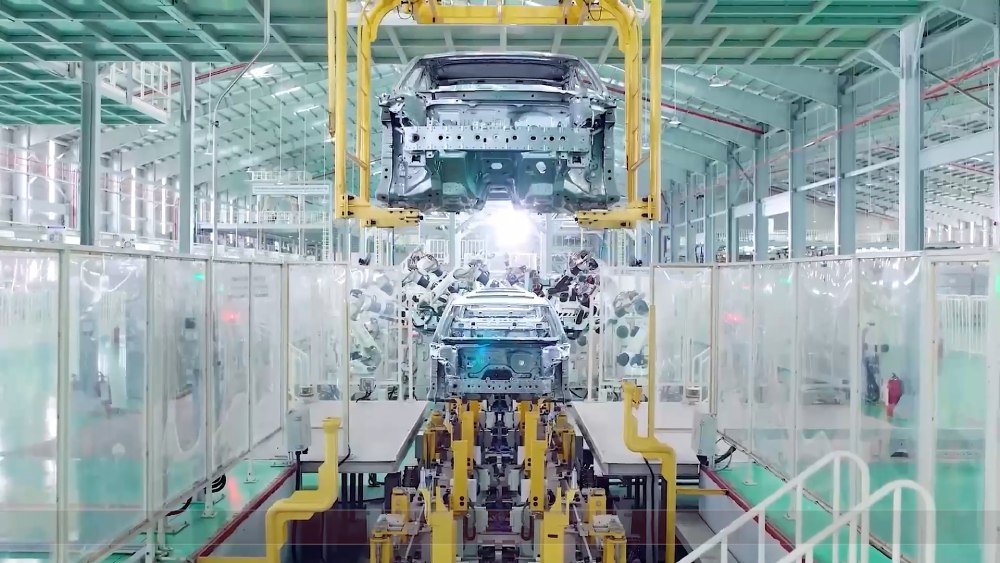
According to Dr. Phan Duc Hieu, compared to previous resolutions and documents, the reform requirements this time are clearly higher, there are no longer many "buffers" for hesitation or half-heartedness.
This requires the spirit of reform to be transformed into specific actions in each ministry, sector and locality. If administrative procedures continue to be a drag, the goal of high growth will be very difficult to achieve, despite efforts in monetary policy, fiscal policy or public investment.
Dr. Vo Tri Thanh - Director of the Institute for Brand Strategy and Competitiveness Research - said that there are 3 lessons learned for Vietnam to break through in the next decade. These are maintaining macroeconomic stability; proactively pursuing modern industrial policies in the fierce global technology race and building a strong Vietnamese business community with global competitiveness.
Especially in the context of the international geopolitical situation with many unpredictable fluctuations, a stable political environment is a prerequisite to help Vietnam attract foreign investment capital, so that businesses can confidently expand production and business.
More importantly, macroeconomic stability, good inflation control, keeping public debt at a safe threshold, and maintaining a healthy financial system are the foundation for economic growth and sustainable development.
Stepping into 2026, challenges in tariffs, geopolitics, supply chain shifts and sustainable development requirements are still present.
However, with the strengthened macroeconomic stability foundation, the confidence of the business community and investors being maintained, and the spirit of "every change responds to every change" in management, the Vietnamese economy is facing the opportunity to enter a new growth cycle - more proactive, more quality and more sustainable.
National Assembly Deputy Hoang Van Cuong (Hanoi Delegation) said that difficulties force us to act more drastically. Vietnamese goods are increasingly diverse, expanding their presence and enhancing their position in many new markets, instead of just relying on some markets and key products as before.


