Ho Chi Minh City People's Committee has just issued a decision to establish the Steering Committee for Ho Chi Minh City Data. The Steering Committee includes 1 Head, 3 Deputy Heads and 28 members who are leaders of departments, agencies, and branches of the city.
According to the decision, Mr. Nguyen Van Duoc - Chairman of Ho Chi Minh City People's Committee is the Head of the Steering Committee. Vice Chairman of Ho Chi Minh City People's Committee Nguyen Manh Cuong holds the role of Standing Deputy Head of the Committee.
The remaining two Deputy Heads are Mr. Lam Dinh Thang - Director of Ho Chi Minh City Department of Science and Technology and Colonel Nguyen Dinh Duong - Deputy Director of Ho Chi Minh City Police. Ho Chi Minh City Police are assigned to be the standing agency of the Steering Committee.
The Steering Committee has the task of researching and advising the Ho Chi Minh City People's Committee and the Chairman of the Ho Chi Minh City People's Committee in building and implementing guidelines, strategies, mechanisms, policies and solutions for data development in the area.
The Steering Committee will give opinions on strategies, programs, and projects related to data; urge and inspect the implementation at departments, branches and localities; coordinate inter-sectoral programs and projects on building and developing data of the city.
This agency is also responsible for monitoring and evaluating the implementation of key tasks and solutions related to data, serving the management, administration and socio-economic development of Ho Chi Minh City.
Along with the establishment of the Steering Committee, the Ho Chi Minh City People's Committee also approved the Strategy for Digital Data Development for the period 2026 - 2030, with a vision to 2035, with the goal of building Ho Chi Minh City into a smart megacity, sustainable development and a data - digital economy center of Southeast Asia.
According to the strategy, by 2030, Ho Chi Minh City strives to become a smart megacity of the country, with the digital economy contributing about 30 - 40% of GRDP, bringing the city into the top 5 most dynamic digital economic centers in Southeast Asia.
The city identifies 4 pillars including: unified digital governance with a "single data axis" connecting the whole city; operating the city with technology, AI applications and the Digital Twin model; developing the digital economy with data platforms and high-tech ecosystems; and building a digital society, aiming for 100% of people to become digital citizens.
In the field of digital government, Ho Chi Minh City aims to connect and share 13 key databases and bring 100% of the data of departments and sectors to the Common Data Warehouse in real time to serve management and administration.
For the digital economy and digital society, the city plans to operate an Open Data Portal with at least 200 data sets in the early stages and more than 1,000 data sets by 2030, forming about 300 applications from businesses and startups.
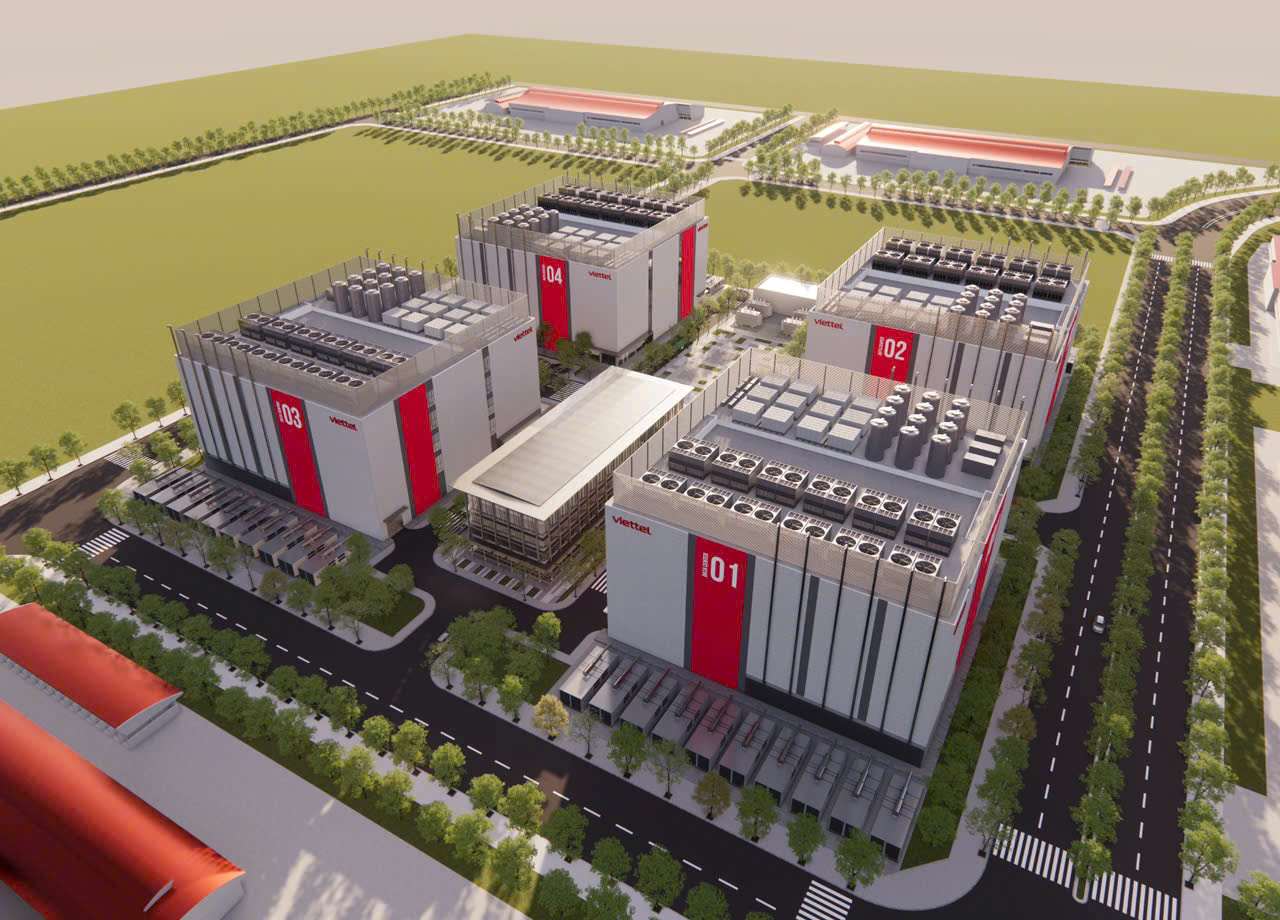
Ho Chi Minh City will also invest heavily in data infrastructure, expected to install about 20,000 IoT sensors at traffic junctions and industrial parks in the early stages, expanding to more than 50,000 connection points by 2030, integrated into the Smart Operations Center to serve analysis and forecasting.
In addition, the city aims to form at least 2 innovation centers on data and artificial intelligence, attracting at least 3 foreign investors to build large-scale data centers.