
The pioneering cadre in the early years of Party establishment
Comrade Pham Huu Lau (code name Tu Lo) belonged to the first class of Communist soldiers to participate in building the Party organization and revolutionary movement in the South. Born in Hoa An, now Cao Lanh ward, Dong Thap province, Pham Huu Lau early participated in patriotic movements.
In the years 1925 - 1926, he actively participated in activities demanding the pardon of patriot Phan Boi Chau and the memorial service, to mourn patriot Phan Chau Trinh. In September 1928, he joined the Vietnam Revolutionary Youth Association. In October 1929, he became one of the first members of the An Nam Communist Party in Cochinchina and the first member of this organization in Sa Dec province, now Dong Thap.
After the Communist Party of Vietnam was born, Pham Huu Lau was nominated to participate in the Party's Provisional Central Executive Committee. During his activities in Saigon, he both built bases, propagated, organized the masses and propagated the Party's policies. In particular, implementing the "proletarianization" policy, he was transferred to work as a worker at Di An Railway Repair Enterprise.
The reality of the workers' movement continues to help young officials train their bravery, closely associate with the masses and mature in revolutionary activities.
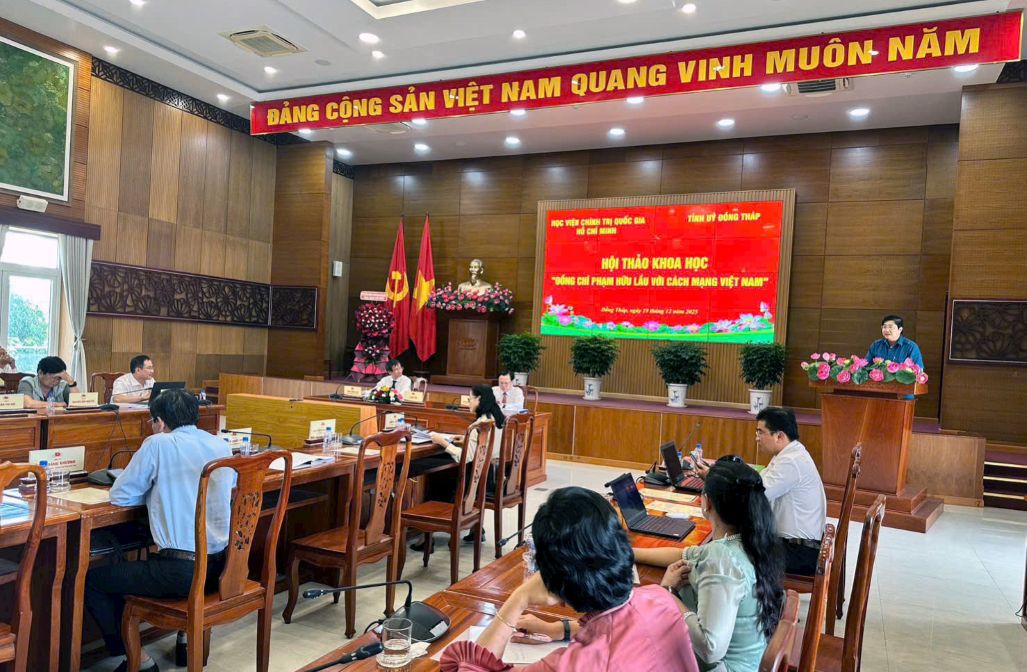
The contributions from the early days of Party establishment have created a strong impression of Pham Huu Lau in the process of building organizations and developing revolutionary movements in Nam Ky.
On May 10, 2024, the Politburo recognized him as a typical predecessor leader of the Party and the Vietnamese revolution. This recognition further highlights the value of the contributions he has made throughout his life to the Party, the Fatherland and the people.
Persistent through years of imprisonment
Pham Huu Lau's revolutionary activities were associated with arrests, imprisonments and harsh interrogations.
In June 1930, on the way to attend a meeting of the Provisional Central Executive Committee, he was arrested by French secret police in Hai Phong. After being imprisoned in Hoa Lo, he was sentenced to life imprisonment and exiled to Con Dao in 1931. In 1936, he was released in the context of the Democratic Front movement developing strongly.
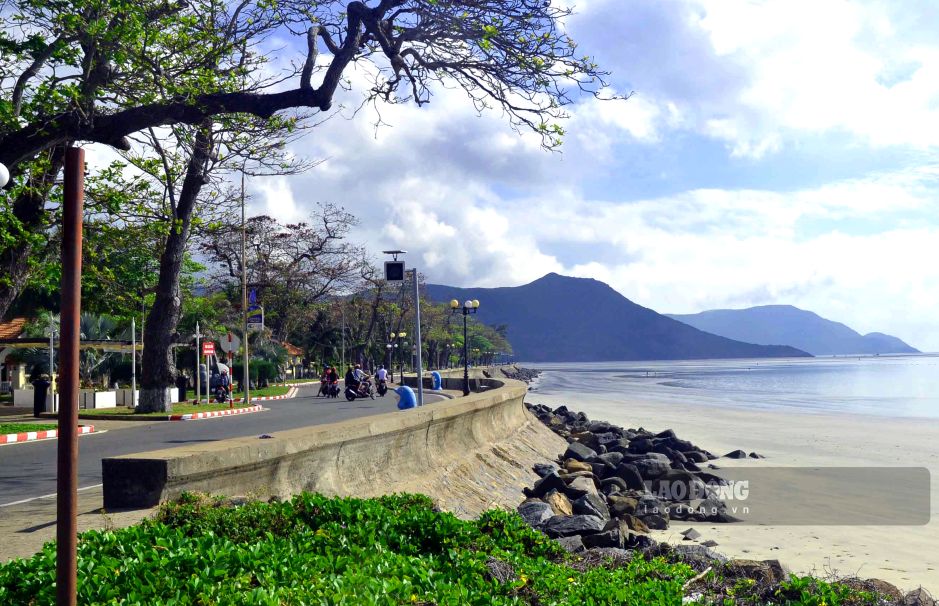
Returning to the mainland, he continued revolutionary activities and was assigned to participate in the organization and operation of "Dan Chung" newspaper in Saigon. At the end of 1940, he continued to be arrested, sentenced to 5 years in prison and exiled to Con Dao for the second time.
Two times imprisoned in a place known as "hell on earth" eroded the health of the revolutionary soldier. But those harshnesses did not shake his iron will. After each return, he continued to receive tasks and operate in increasingly difficult conditions. It was this persistence and loyalty that became a bright mark in the life of the predecessor cadre.
Lifelong with the Southern revolution
After the August Revolution succeeded, returning from Con Dao, Pham Huu Lau quickly plunged into a new battle. He was assigned many important responsibilities, including Secretary of Sa Dec Provincial Party Committee, Chairman of the Resistance - Administrative Committee of Sa Dec province; then joined the Party Committee of Zone 8, became Secretary of My Tho Provincial Party Committee and took on many other tasks in the resistance war against French colonialism.
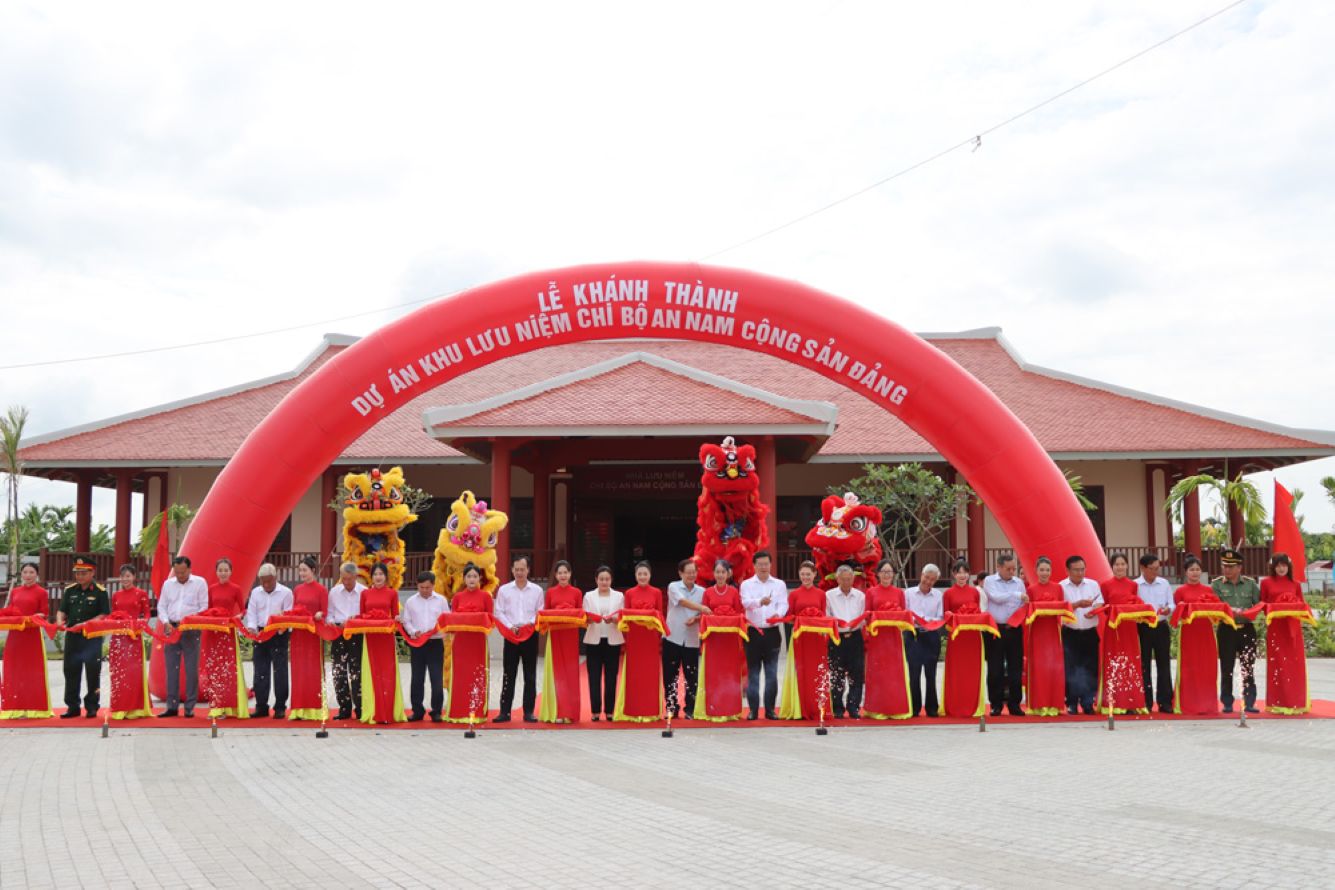
In the years of fire and smoke, in any position, he associated leadership activities with the reality of the battlefield, building bases and caring for revolutionary forces.
After the 1954 Geneva Accords, he continued to be assigned by the Party to stay in the South to operate. At the Conference to establish the Southern Regional Party Committee in October 1954, he was elected as Member of the Standing Committee, Deputy Secretary, and then Deputy Secretary and Secretary of the Southern Regional Party Committee when Mr. Le Duan went to the North to receive new assignments.
This was a period when the Southern revolution faced extremely fierce challenges. In secret operation conditions, his health deteriorated and his illness worsened, but he resolutely refused to go to the North for treatment to continue to contribute to the Southern revolution until his last breath. On December 16, 1959, he passed away in Cambodia.
More than 30 years of revolutionary activities, from the early days of participating in the patriotic movement, becoming one of the first communists in Nam Ky until taking on important responsibilities of the Regional Party Committee, Pham Huu Lau dedicated his whole life to revolutionary ideals.
The 120th anniversary of his birth (1906 - 2026) is an opportunity for today's generation to commemorate a typical predecessor leader of the Party and the Vietnamese revolution; and at the same time to recall the tradition of resilient struggle of the homeland of Dong Thap and the Southern region - where many generations of soldiers spared no blood and bones, intelligence and youth for the cause of national independence and reunification.


