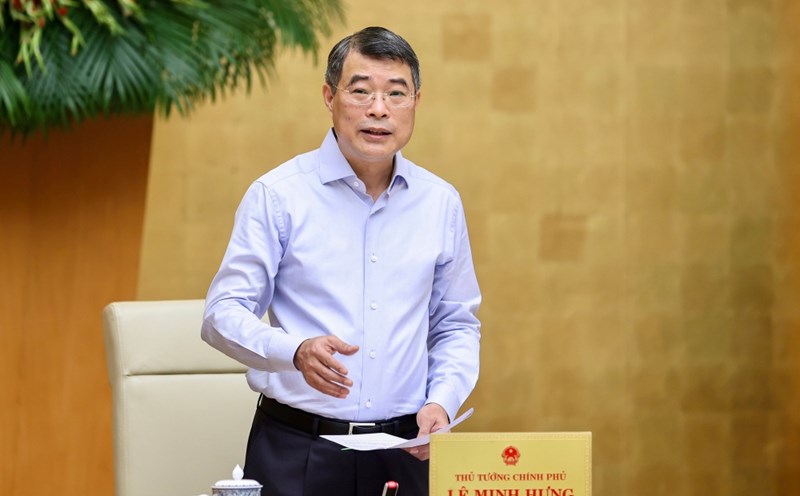
On the afternoon of July 27, in Hanoi, the National Assembly Standing Committee gave opinions on the draft Law on State Budget (unified).
Presenting the Government's report, Member of the Party Central Committee, Minister of Finance Ngo Van Tuan said that in the past time, the State Budget Law and the Law on Public Investment have been amended and supplemented in the direction of institutionalizing the Party's guidelines, ensuring the leading role of the central budget and the proactive role of the local budget.
The laws have also handled issues to meet the operation of 2-level local governments, promoted decentralization and delegation of power, abolished contents that are not consistent with reality, and resolved inadequacies and obstacles in public investment.
However, the implementation of the provisions of the State Budget Law and the Law on Public Investment related to public investment expenditures still has some inadequacies and limitations. Therefore, the merger of the two laws mentioned above is an urgent requirement.
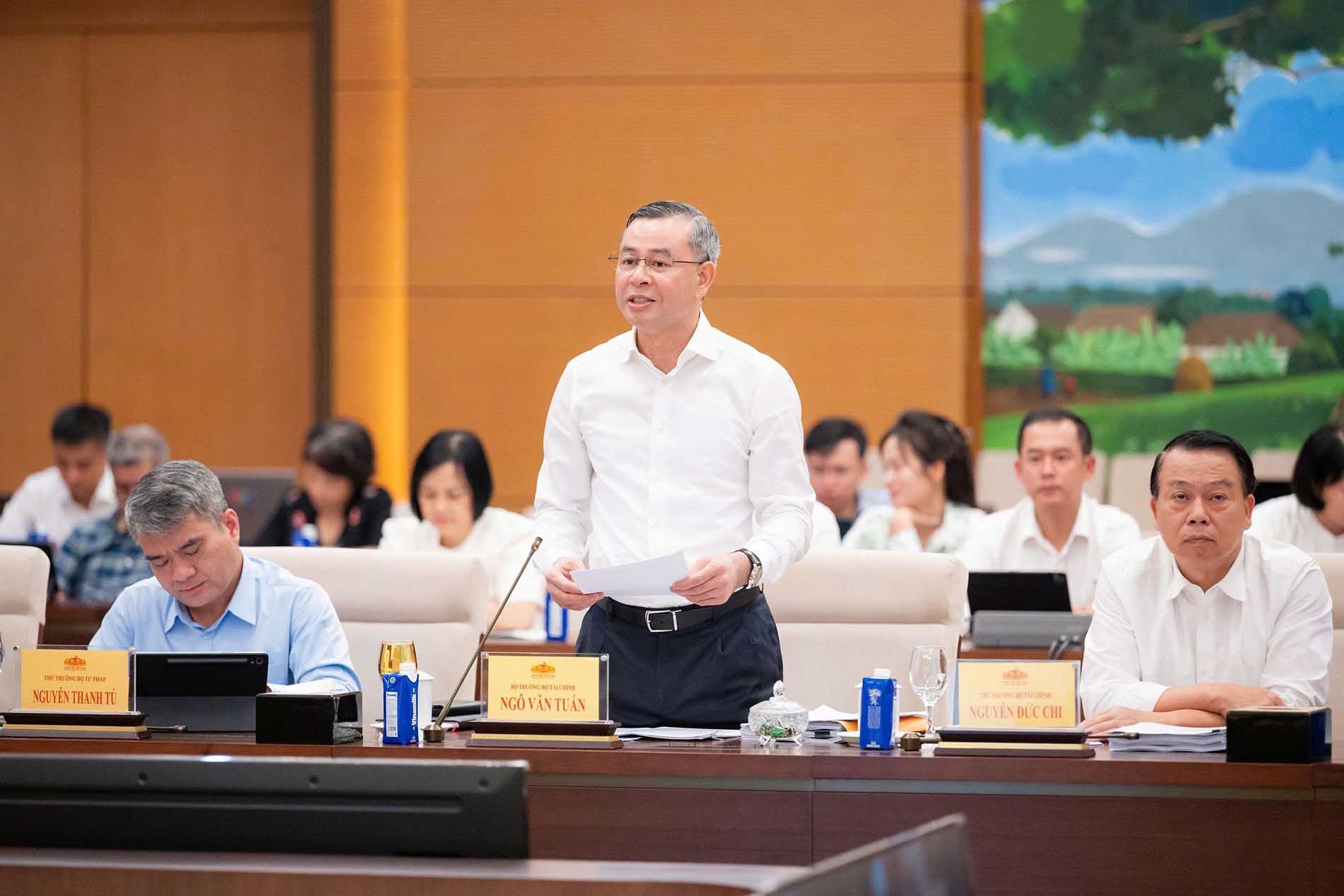
Minister Ngo Van Tuan said that the draft law is built on the principle of maximum inheritance of current regulations that are effective, while refining integration to minimize administrative procedures.
The draft law focuses on a number of orientations such as: merging the 5-year medium-term Financial Plan and Public Investment Plan, integrating and unifying the annual public investment plan into the public investment expenditure estimate.
Decentralize the authority to decide on detailed allocation of the 5-year medium-term public investment plan and annual public investment expenditure estimates from local budget capital from the People's Council to the People's Committees at all levels; the contents of decentralization to the Government are specified in detail in the draft Law;
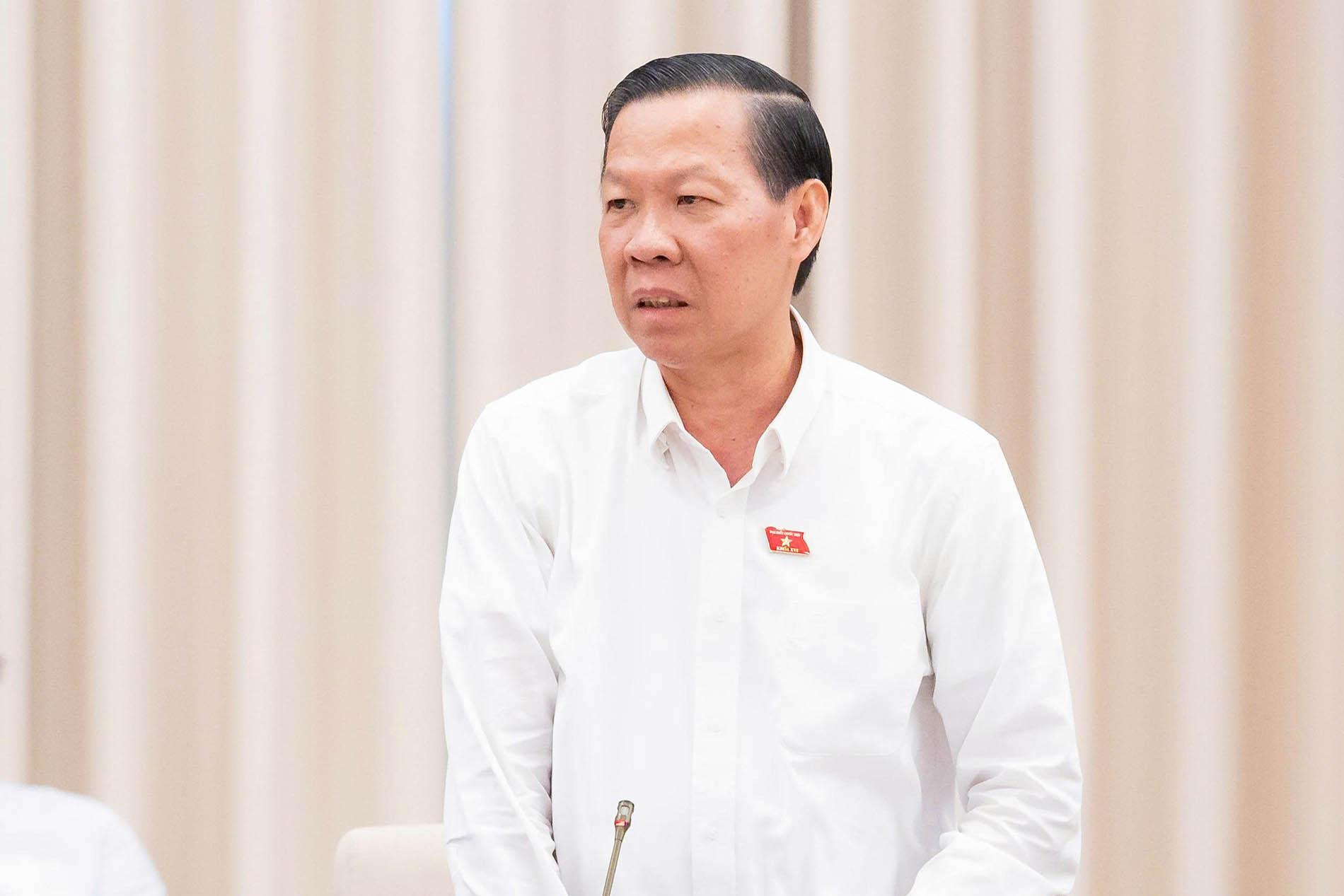
On behalf of the thẩm tra agency, Member of the Party Central Committee, Chairman of the Economic and Finance Committee Phan Van Mai said that the Standing Committee agreed with the necessity, political, legal and practical basis for promulgating the State Budget Law (joint).
According to Mr. Phan Van Mai, the new law needs to promote the proactiveness of local budgets; strengthen decentralization and delegation of power in parallel with controlling power and accountability.
The Standing Committee of the Economic and Finance Committee basically agreed with the integration of the 5-year public investment plan into the 5-year financial plan; the policy of unifying the process of allocating and assigning state budget expenditure estimates with the assignment of annual public investment plans.
The thẩm tra agency proposed to continue reviewing the integration of the 5-year financial plan and public investment plan; and at the same time clarify the contents of uniform application and the contents that need to be specifically regulated in the resolution on principles, criteria, and norms for state budget allocation.
Regarding the authority to allocate detailed local budgets, the majority of opinions suggested carefully assessing the impact of each option to ensure the correct functions of the elected body and increase the proactiveness of the administrative body.
Concluding the discussion content, Member of the Party Central Committee, Vice Chairman of the National Assembly Nguyen Thi Hong proposed that the law not only integrates purely technical aspects but must solve the root of problems causing practical congestion.
The draft law needs to shift to governance thinking, management processes and responsibilities for all public financial resources; move towards unified management, simplify procedures, strengthen decentralization and delegation of power with clear responsibilities attached.
Decentralization must go hand in hand with power control, publicity, transparency, accountability and ensuring corresponding minimum resources (especially commune-level budgets in the 2-level local government model).
Specific policies do not reduce the level of priority support for ethnic minorities, mountainous areas, difficult areas, border areas, islands, and revolutionary bases.