
Policy recommendations suitable for redundant officials
As a person who has been attached to work at the grassroots level for many years, Mr. Phan Thien Khanh (residing in Truong Thanh commune, Can Tho city) said that before 2015, he was Deputy Village Head, then held the position of Village Head; in 2019, he took on the position of Village Secretary and from after 2019 to now, he is Secretary cum Village Head of Dinh Khanh B.
According to Mr. Khanh, the merger of villages and residential groups is a suitable policy to streamline the apparatus and improve operational efficiency at the grassroots level.
Regarding the contingent of officials after arrangement, he believes that it is necessary to select people with capacity, responsibility, and ability to apply technology in work.
However, according to practical experience, the head of the hamlet not only needs management capacity but also must have bravery, prestige and be close to the people.
Village Party Secretaries and Village Heads must regularly contact and grasp the thoughts of the people. If you just sit in the office to direct, it is very difficult to perform tasks well" - Mr. Khanh said.
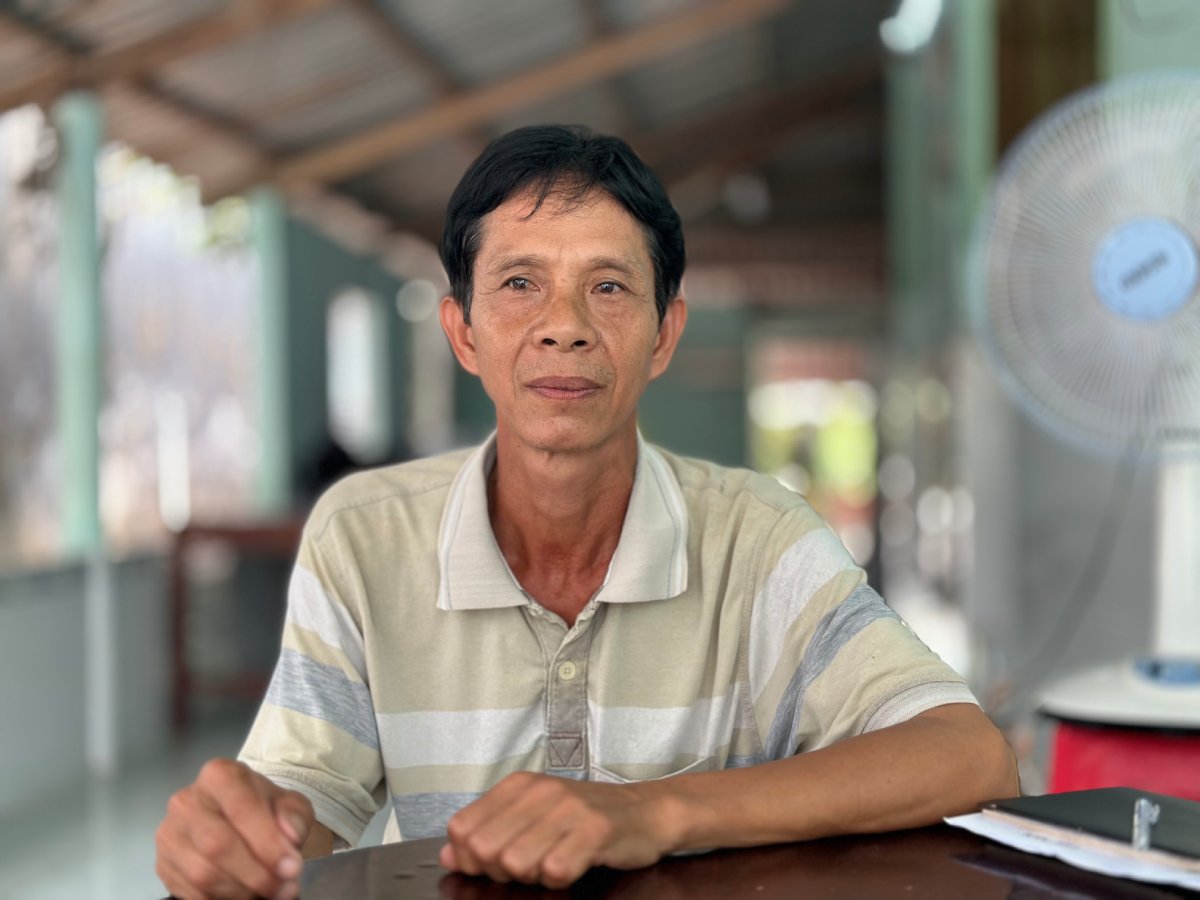
Mr. Khanh proposed that if the locality arranges young officials to the grassroots level to take on the position of hamlet leaders, they should have time to get acquainted with reality, understand the production situation, life and security and order in the area before taking on official duties.
In particular, regarding the contingent of officials and non-specialized personnel who may be redundant after arrangement, Mr. Khanh said that this is an issue of concern to many people.
Many people have been attached to and contributed to the locality for many years. Therefore, whether the support level is high or low, we still hope the State will have appropriate policies to encourage and help surplus cases stabilize their lives after arrangement" - Mr. Khanh expressed.
Can Tho accelerates the arrangement of hamlets and areas according to the roadmap
At the preliminary conference on 1 year of operating the apparatus of the political system and local government at 2 levels organized by the Can Tho City Party Committee recently, Director of the City Department of Home Affairs Pham Thi Phuong said that according to the provisions of Decree 185/2026, through review, the whole city currently has 582 hamlets (under 400 households) and 371 areas (under 550 households) that must be arranged according to regulations because they do not meet the standards on the scale of households.
The Department of Home Affairs has advised the City People's Committee to issue Plan No. 250 on deploying the arrangement of hamlets and areas. In the coming time, the unit will continue to coordinate with the Organizing Committee to advise the Standing Committee of the City Party Committee to issue an official dispatch directing the establishment of a Steering Committee to organize implementation in accordance with the provisions of the Decree and Directive.
Regarding the regime and policies for semi-professional commune-level officials, the Department of Home Affairs has received about 1,200 dossiers and has submitted them to the City People's Committee for consideration and final settlement before May 31.
The Director of the Department of Home Affairs also requested the Secretaries and Chairmen of People's Committees of communes and wards to continue to focus on implementing the arrangement of hamlets and areas in accordance with the schedule and plan set out.
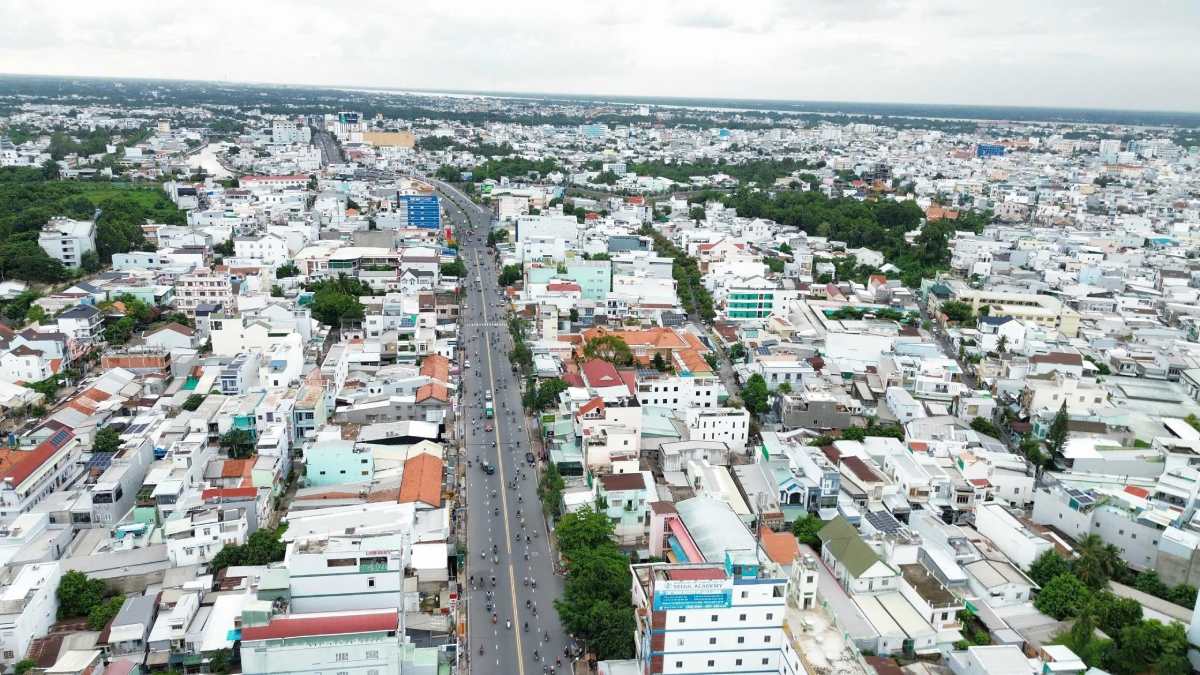
Currently, there are 89,574 villages and residential groups nationwide. This is the figure obtained after reducing 47,250 villages and residential groups in 10 years of implementing Resolution No. 18-NQ/TW and current legal regulations.
In Directive No. 21/CT-TTg, the Prime Minister requested that before June 10, the People's Committees of provinces and cities review all villages and residential groups in the area; develop a comprehensive plan to arrange and reorganize villages and residential groups; and report to the Party committees at the same level before promulgation.
Before June 30, the People's Committees of provinces and cities direct the People's Committees of communes to develop a project to arrange villages and residential groups; organize to collect people's opinions in accordance with the law; submit the project to the People's Council of communes for approval to ensure publicity, transparency and create consensus in the implementation process.


