
The Ministry of Home Affairs is assigned by the Government to preside over the development of a Decree on the organization of activities of villages and residential groups (TTDP) and a number of regimes and policies for non-specialized personnel in TTDP in the second quarter of 2026.
At the regular press conference in the first quarter of 2026 that the Ministry of Home Affairs just held, Deputy Director of the Local Government Department (Ministry of Home Affairs) Nguyen Thi Tu Thanh said that the general direction in arranging TTDP in the direction of streamlining focal points, reducing the number of TTDP to ensure suitability with the scale, reality, and characteristics of each region.
Thereby, aiming to improve the operational efficiency of the grassroots level, creating favorable conditions for the implementation of tasks, and reducing the direct management pressure of commune-level authorities.
Assessing this policy, Dr. Dao Hung, Department of Public Management, Faculty of Business Administration, University of Economics and Law (Vietnam National University Ho Chi Minh City), said that this is a policy in line with modern trends, both objectively and subjectively.
Objectively, the merger and streamlining of the apparatus has been implemented throughout the political system; therefore, spreading to the level closest to the people, which is the TTDP, is an inevitable trend when the role of the commune level changes.
Subjectively, the requirement to reduce management focal points and improve the operational efficiency of local authorities also poses the requirement to innovate organization and operation at TTDP to meet common goals.
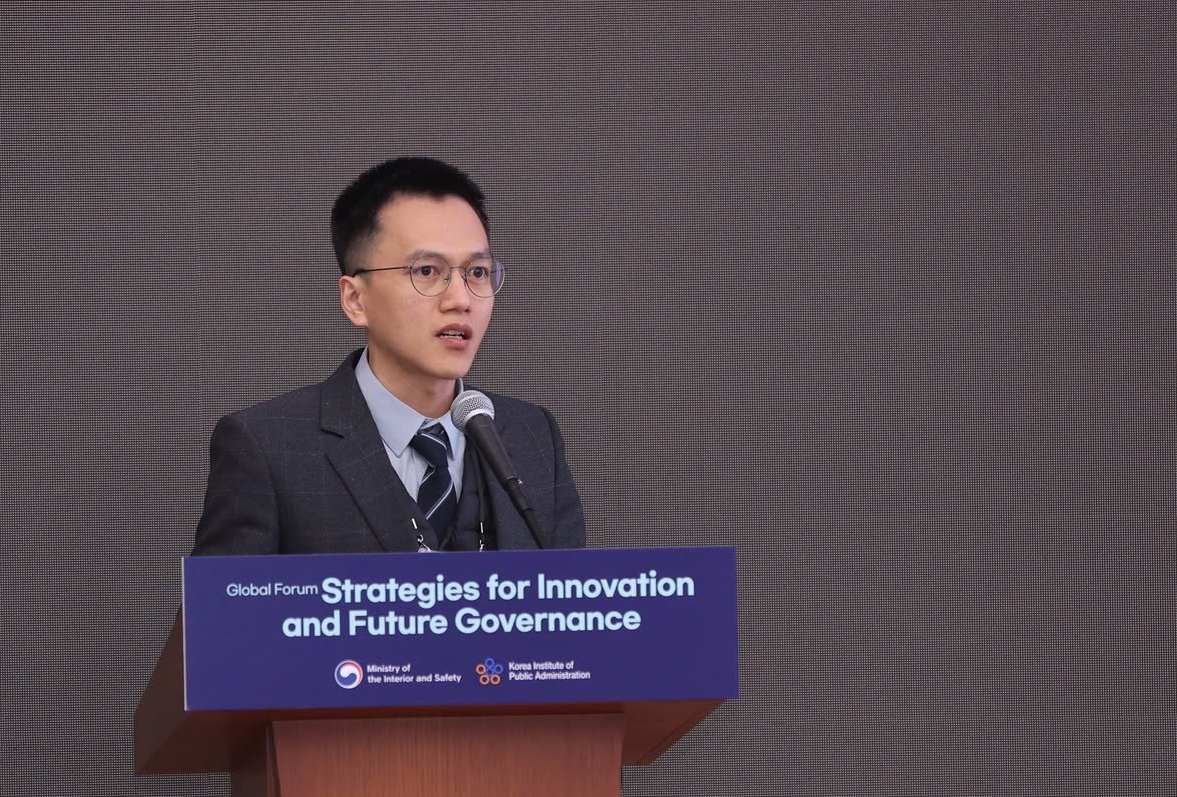
According to Dr. Dao Hung, the obvious benefit of this policy is a more streamlined apparatus, reduced intermediary focal points, and the expectation of improving management efficiency and strengthening direct democracy of the people.
However, he also noted that the gap between policy and practical implementation is an issue that needs to be carefully assessed before implementation.
First, regarding the effectiveness of community governance, the merger may help reduce the number of focal points but at the same time increase the scale and complexity of each unit. Meanwhile, the actual workload may not necessarily decrease.
Secondly, regarding decentralization and decentralization, while the commune level is given more authority after arrangement, the TTDP is inherently an autonomous organization, so it is unlikely to be decentralized more strongly in terms of power or resources. Therefore, the effectiveness of managing close to the people will depend heavily on each specific commune and ward.
Dr. Dao Hung believes that it is necessary to determine that the TTDP model in the coming time should not only stop at the level of adjustment but be a comprehensive change, and should not only reduce the number of focal points after arrangement.
He suggested that the merger process will create great pressure on the workload for the remaining personnel.
From there, the need to further support this team with information technology tools, electronic management software on smartphone platforms... needs to be considered to gradually transform the direct working model: individual (village head) - individual (people), to a hybrid working model: individual (village head) - community (people).
Regarding building self-management models, the specific characteristics of the village (rural) model and the TDP (urban) model need to be carefully and flexibly considered when continuing to merge and operate after merger.
With the rural model, where residents are relatively stable and village and commune relationships are close, it is necessary to prioritize traditional working models, arrange reputable and close personnel. Meanwhile, in urban areas, where population fluctuations occur frequently and community interaction is looser, it is necessary to prioritize more flexible working models.


