
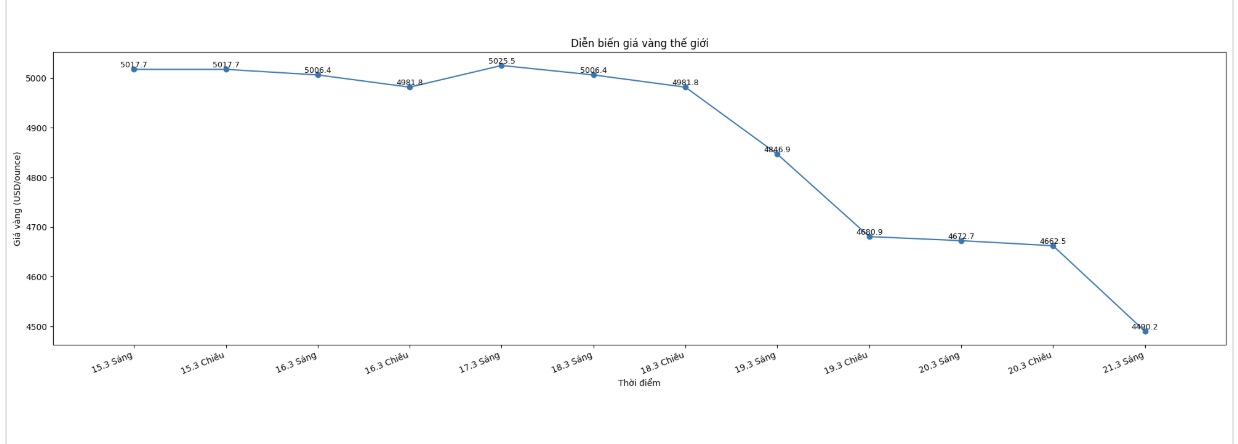
According to Neils Christensen - Kitco News analyst, deep corrections like the current ones often shake confidence, especially with speculative traders. However, overcoming short-term fluctuations, the question that gold investors need to ask themselves is: What has really changed?
In fact, the macroeconomic factors that pushed gold prices to record highs at the beginning of the year are still there. Public debt continues to increase at an unsustainable level, global growth is still uneven and potentially risky, while geopolitical tensions have not shown signs of cooling down. Even the general context continues to consolidate the long-term upward trend of gold.
However, this week, instead of focusing on price fluctuations, a more fundamental question is raised: What will the future of gold be like?
Recently, the World Gold Council announced an initiative to build a common infrastructure system, connecting the fragmented gold market and integrating physical gold into the digital ecosystem. Although this information does not attract as much attention as price fluctuations, in the long term, its impact may be much broader.
The focus of this trend is the increasing demand for encrypted gold. Similar to stablecoins secured by legal tender, these digital assets are secured by physical gold, helping investors access gold in a more flexible and convenient way.
Notably, the cryptocurrency gold market is growing very strongly. In 2025, the capitalization of this asset increased by 177%, from about 1.6 billion USD to 4.4 billion USD.
However, this scale is still small compared to the entire gold market. But the important thing is not the current figure, but the growth trend.
The great attraction of digital gold is its ability to lower access barriers. Previously, physical gold ownership often required large capital. Not everyone was able to buy an entire ounce of gold at the current price. But with encryption technology, investors can buy small portions - 50 USD, 100 USD - while still holding value attached to real assets.
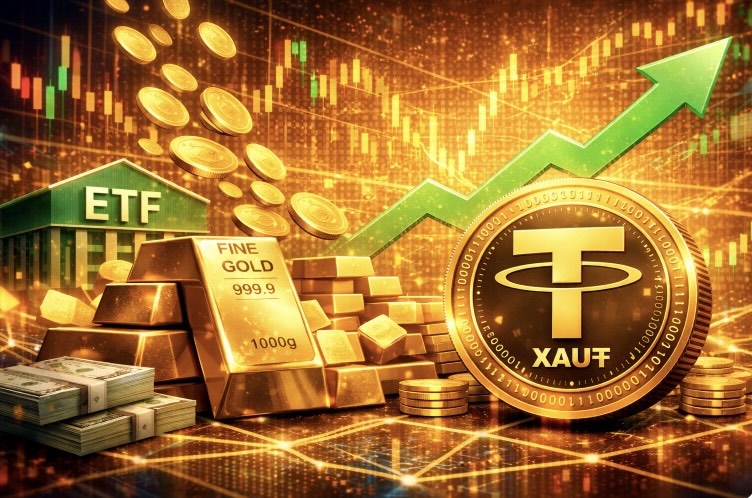
The World Gold Council's promotion of building common infrastructure also shows a clear thing: the future of gold will no longer be the same as the past. Material gold will not disappear, but the way of owning, trading and integrating into the financial system is changing rapidly.
Therefore, although short-term price fluctuations may test investors' patience, the story of the foundation of gold is still maintained, even becoming stronger.
Gold is not only continuing to play the role of a safe haven asset, but is also adapting to a new financial era. And that, in the long run, may be much more important than any week of price declines.


