
Gold prices cannot break through yet
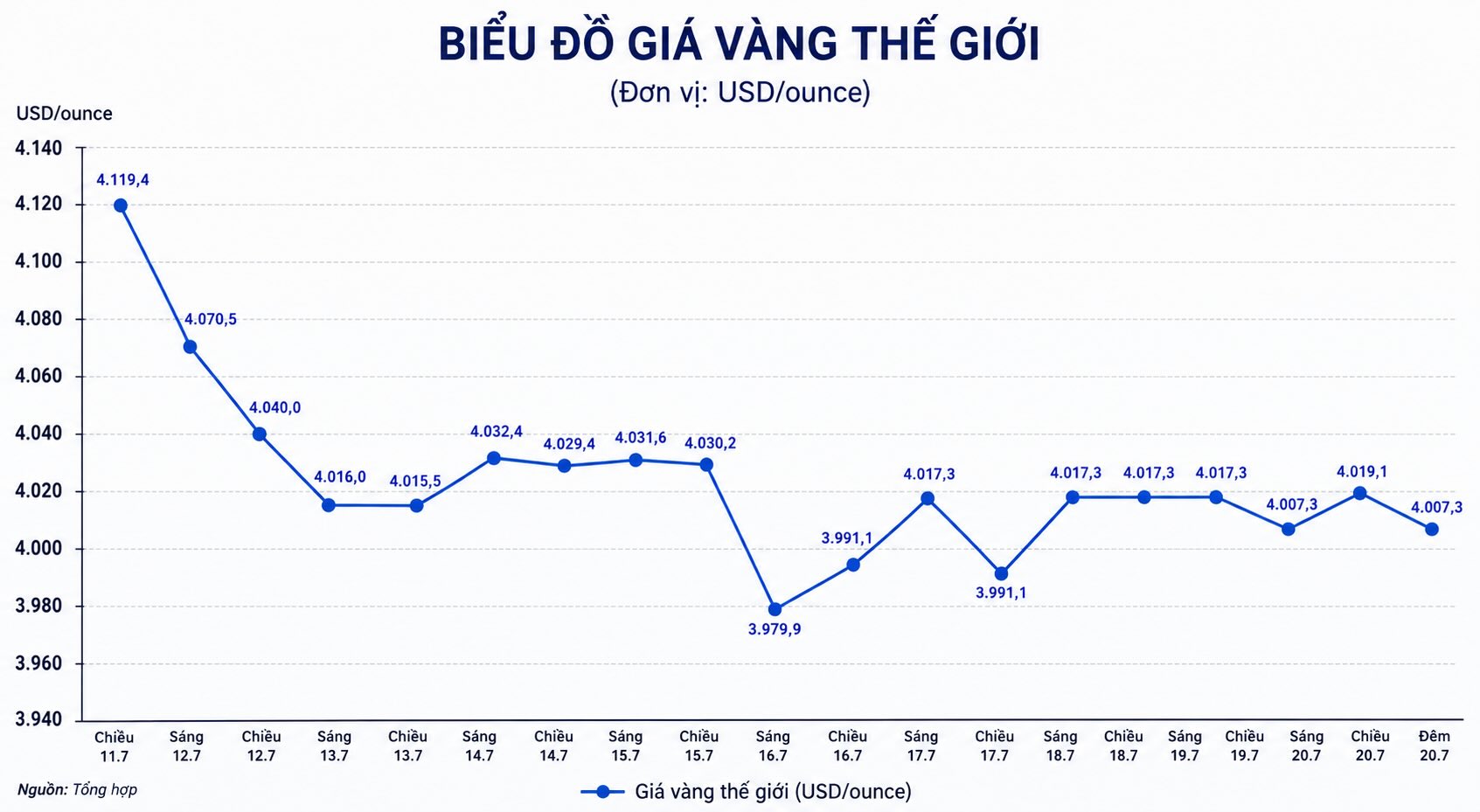
Before the North American market opened the first session of the week, spot gold prices fluctuated around 4,012 USD/ounce, down about 0.13%. Meanwhile, spot silver prices increased by 1.62%, to nearly 56.73 USD/ounce.
After that, gold prices fluctuated in the range of 3,982.20-4,004.090 USD/ounce. The precious metal continued to fail when testing the price range above 4,040 USD/ounce, showing that selling pressure is still present.
This development caused gold prices to remain below the important technical zone from 4,023.35-1,065.83 USD/ounce.
In the opposite direction, silver prices fluctuated in the range of 55.40-57.60 USD/ounce. After a sharp decrease last week, this metal recorded a significant recovery but has not yet surpassed the resistance zone of 58.53-59.44 USD/ounce.
The psychology in the precious metals market is being affected in opposite directions. Tensions between the US and Iran are increasing the demand for safe-haven assets. However, rising oil prices have also raised concerns about inflation, thereby making the prospects of US monetary policy more unpredictable.
Recent US economic data is not weak enough for the market to believe in a clear change in the direction of the US Federal Reserve (Fed).
Previously, cooling June inflation figures had helped reduce pressure to raise interest rates. However, increased retail sales, reduced unemployment claims, strong recovery of manufacturing in the Philadelphia area and improved consumer confidence have weakened expectations of the Fed's early policy easing.
The market is currently still leaning towards the possibility that the Fed will keep interest rates unchanged at the meeting on July 29. However, the possibility that this agency will continue to raise interest rates at least once in the remaining months of the year has not been ruled out, especially in the context of rising energy prices.
The yield on 10-year US government bonds remained around 4.57%. The USD Index rose to nearly 100.87 points. A strong USD and high yields continue to reduce the attractiveness of gold - an asset that does not yield interest.
Oil prices increase inflationary pressure
Developments in the Strait of Hormuz continue to be of particular interest to the market. Transportation through this region remains a variable in the context of increasing military pressure.
US WTI oil prices trade around 82-83 USD/barrel, while Brent oil fluctuates between 89-90 USD/barrel.
For gold prices, rising oil prices create a two-way impact. Geopolitical risks boost safe-haven demand, but the risk of rising inflation may cause bond yields to remain high. This continues to limit the ability to increase the price of precious metals.
Meanwhile, silver prices often react more strongly to fluctuations in interest rates, the USD and risk-taking sentiment. Therefore, despite recovering, silver prices still face a major correction risk if pressure from the bond market increases.

Technically, the short-term trend of gold prices still leans towards decrease as the price has not yet been able to exceed the 4,023.35 USD/ounce range.
In the coming sessions, investors will continue to follow the Fed officials' statements, expectations of interest rates in September and the risk of disruption of transportation activities in the Strait of Hormuz. These are considered factors that could determine the short-term trend of both gold and silver.
The information in the article is for reference only, not investment recommendations.


