
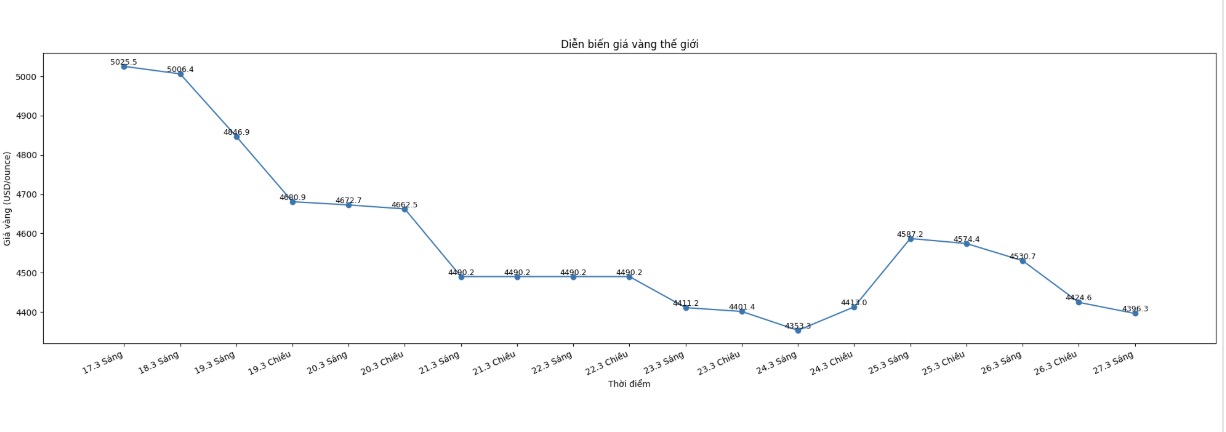
According to Kitco, analysts recently believe that selling pressure on gold may increase as some central banks are forced to "monetarize" their gold reserves to meet emergency liquidity needs, amid the US-Israel conflict with Iran negatively impacting the global economy and financial markets.
This assessment is gradually being verified. According to Bloomberg, the Central Bank of Turkey continues to use its national gold reserves. Citing data from the central bank, Bloomberg said that the country's official gold reserves have decreased by nearly 59 tons in just the past two weeks.
According to sources knowledgeable about Turkey's foreign exchange reserves, a portion of gold has been sold directly, while most has been used as collateral to borrow foreign currency or lira through swaps.
With these agreements, the central bank will exchange gold for money, with a commitment to buy back that gold later.
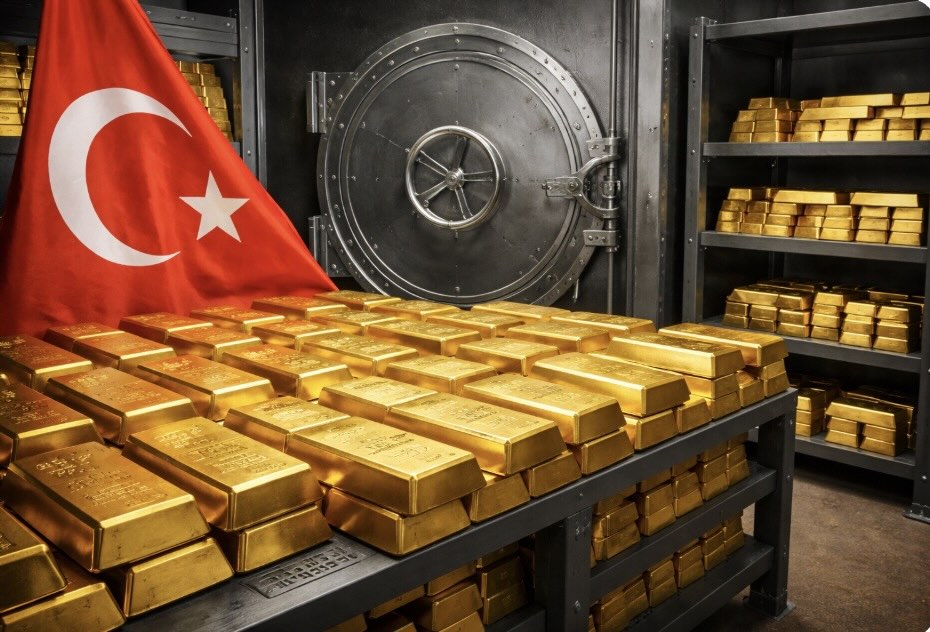
Data from the World Gold Council shows that as of the end of January, the Central Bank of Turkey held about 603 tons of gold, worth about 135 billion USD. This is also one of the central banks that has bought gold most actively in recent years. However, this is not the first time this country has "monetarized" its gold reserves.
In 2023, Turkey sold 159 tons of gold in the period from March to May. At that time, inflation skyrocketed unprecedentedly, while domestic gold demand increased sharply, causing a record current account deficit. To reduce this pressure, the central bank sold gold to people.
After the inflation crisis cooled down, Turkey began to re-accumulate reserves, restoring the amount of gold sold in the middle of last year.
In the current volatile economic context, Turkey may not be the only country to do this. The Central Bank of Poland - the world's largest gold buyer in the past two years - also signaled its willingness to use gold reserves to serve its defense strengthening plan.
In early March, the Governor of the Central Bank of Poland - Mr. Adam Glapinski, proposed raising up to 13 billion USD from selling gold reserves to finance the plan to double the defense budget.
In an interview with Kitco News, Mr. Rob Haworth - senior investment strategist at U.S. Bank Wealth Management, said that in the short term, central banks may continue to "monetarize" gold to meet urgent liquidity needs.
He also believes that, at least in the current period, central banks are unlikely to continue buying gold when they have to focus on controlling rising inflation.
It's not that central banks are as sensitive to gold prices as hedge funds" - he said - "But at the moment, the needs of the economy force them to prioritize other assets that are more urgent and scarce.


