
The Department of Culture, Sports and Tourism of Bac Ninh province has just issued a decision recognizing the Royal Nam Hong Museum (No. 225 Tran Phu Street, Tu Son Ward) as a provincial-level tourist destination.
Nam Hong Royal Museum was established in December 2017, is a non-public non-business unit directly under the Provincial People's Committee, under the state management of the Department of Culture, Sports and Tourism of Bac Ninh.
The museum has the function of scientific research, archaeological excavation, collection, inventory, preservation, display and promotion of the value of documents and artifacts; and at the same time organizes training, consulting, appraisal, appraisal and service exploitation activities within the scope of museum operations.
After more than 20 years of diligent collection, Mr. Nguyen The Hong - the founder of the museum - has devoted a lot of heart, effort and resources to searching for and collecting antiques in many localities at home and abroad.
To date, the museum's collection has nearly 3,000 unique artifacts including bronze and ceramics belonging to Dong Son, Sa Huynh, and Champa cultures dating back thousands of years, along with many bronze and ceramic artifacts, porcelain, ancient coins, jade, and lacquered and gold-plated wooden items of feudal dynasties of Vietnam, China, and Japan.
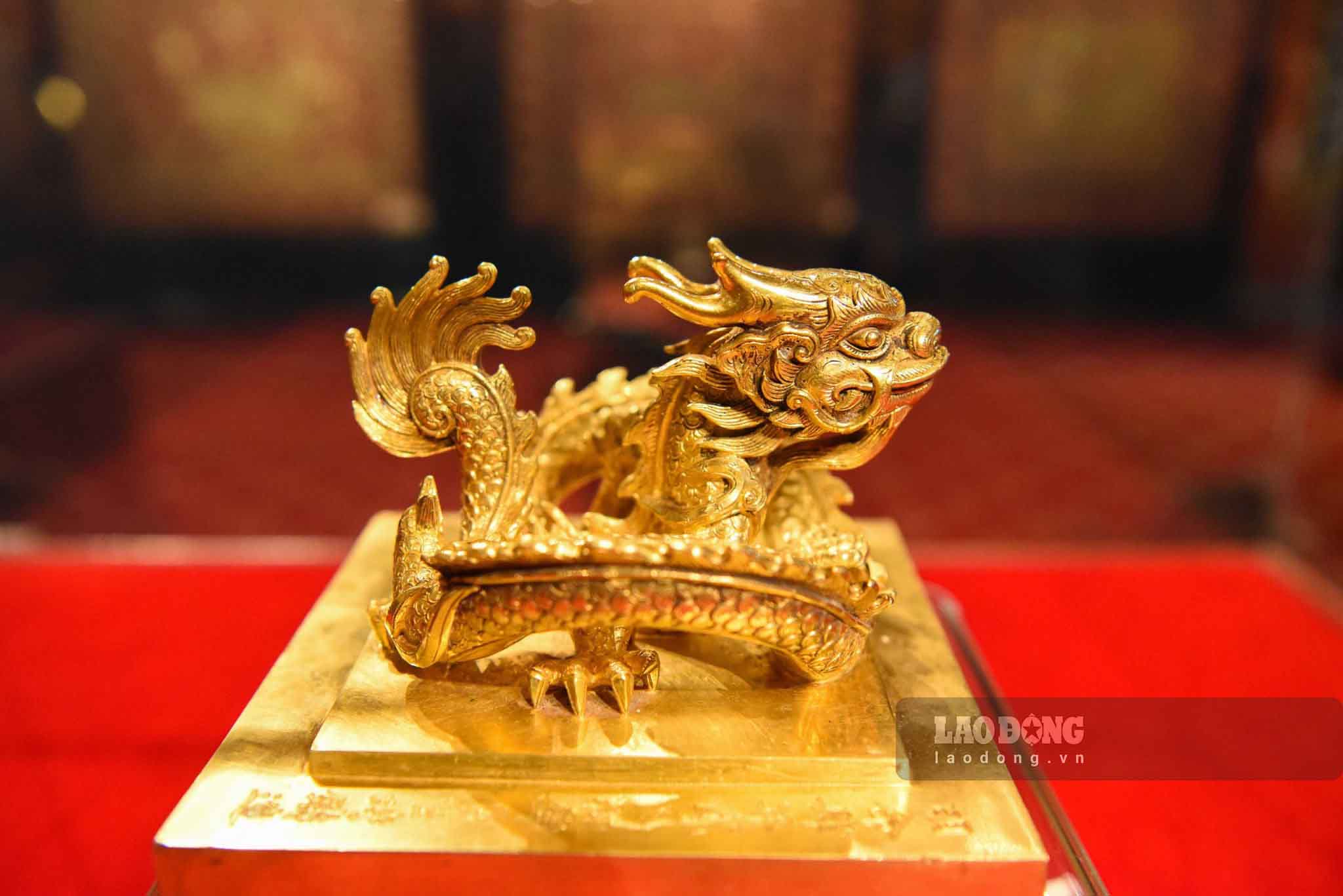
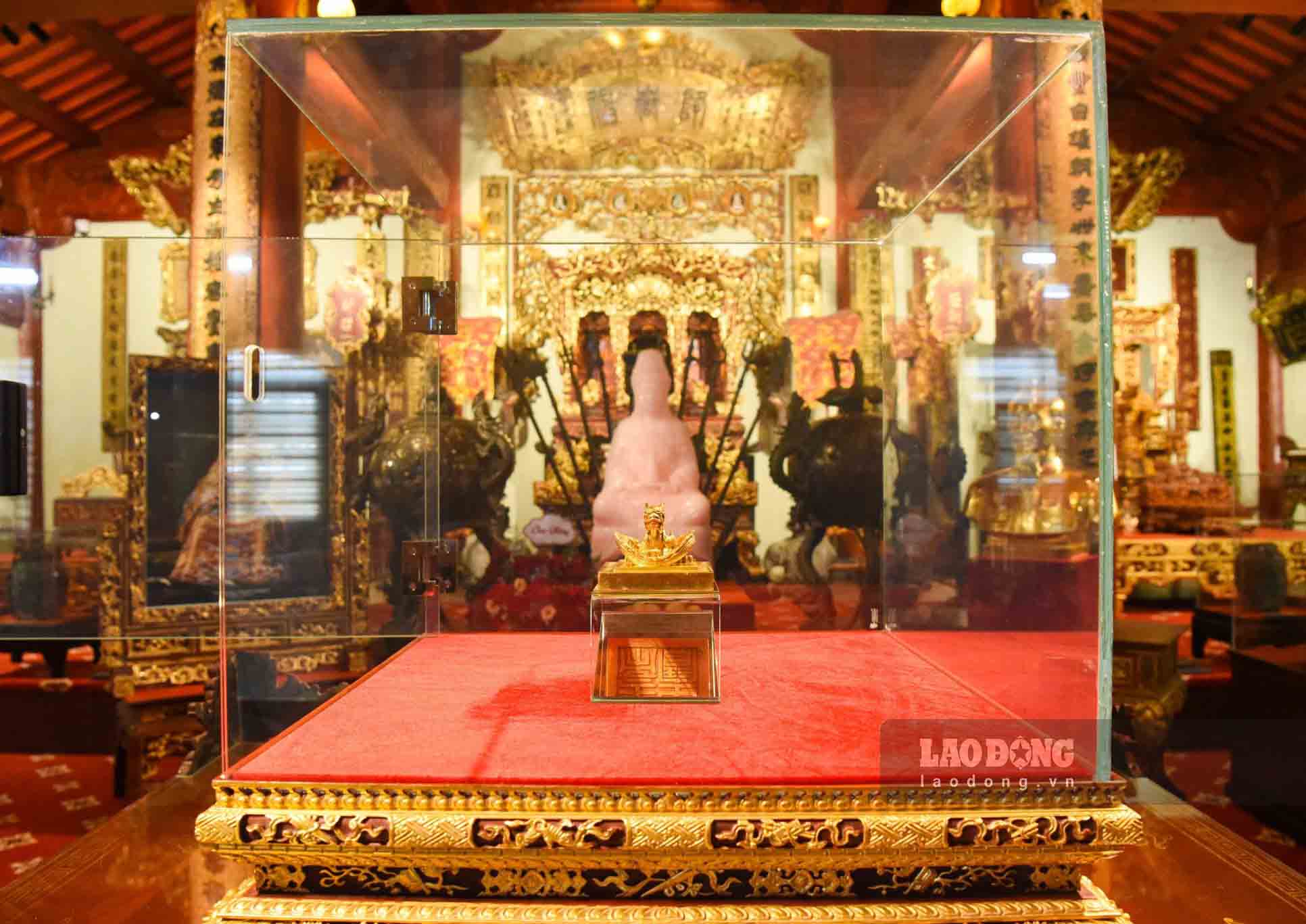
In particular, the Nam Hong Royal Museum also preserves the Emperor's Golden Seal of King Minh Mang, the most important seal of the Nguyen Dynasty that was once used in important court events.
The gold seal is 10.4 cm high, weighs 10.78 kg, has a square face, and measures 13.8 x 13.7 cm, and was ordered by Emperor Minh Mang to be made in the fourth year of Minh Mang's reign (1823).
In addition, the Nam Hong Royal Museum also preserves Dong Son bronze jar dating back about 2,300 years, recognized by the Prime Minister as a National Treasure on January 30, 2023.
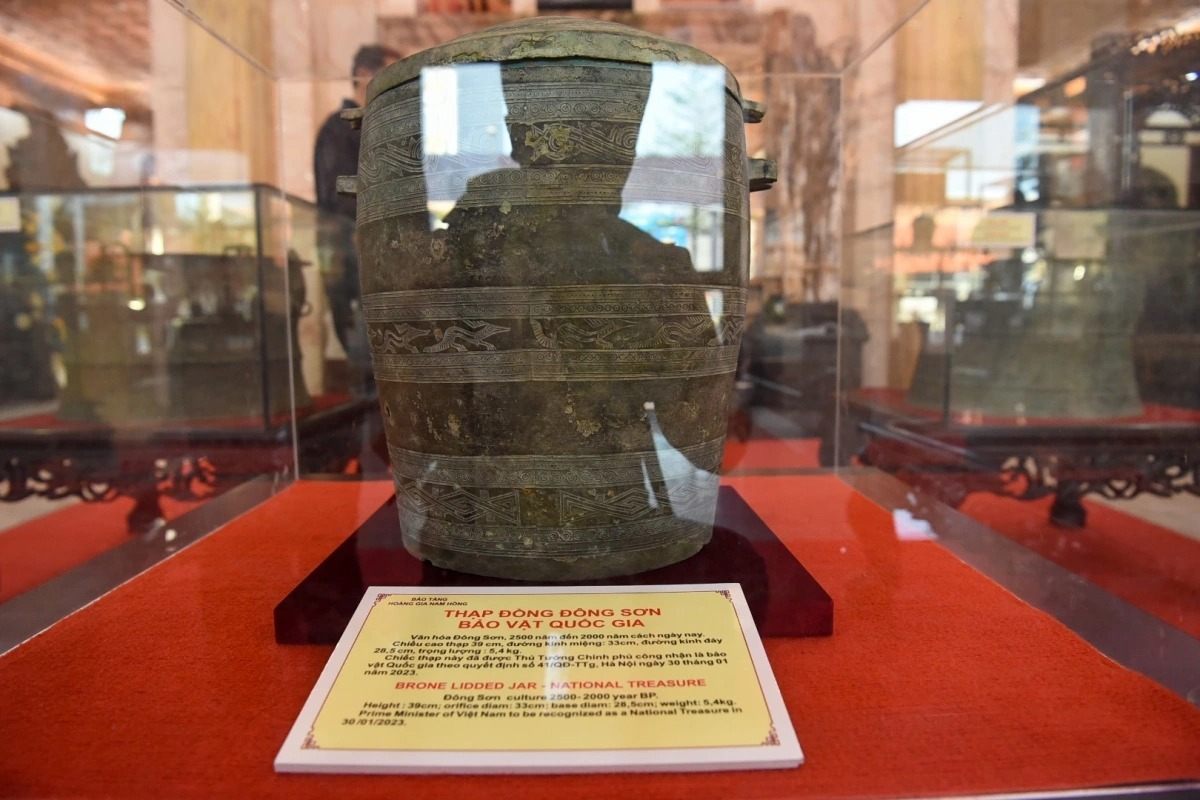
This is a unique artifact, still intact with both the lid and body, especially with animal patterns running counterclockwise, which is a rare detail among hundreds of bronze jars discovered in Vietnam.


