
When the cultural industry in general and the film industry in particular are concerned and invested in, the release of a movie in theaters will always be concerned about revenue efficiency. Returning to the theater race with "Oc muon hon", is the revenue figure a pressure for you?
I think any producer or director when bringing a film to theaters also has revenue pressure. We are working in a creative industry, meaning that besides artistic value, the film must also prove its commercial existence.
However, my biggest pressure is not a specific number. What I am more concerned about is whether the film will find its audience or not.
I always believe that revenue is the result of many factors: quality of the work, release time, media, market competition and even luck. The only thing filmmakers can control is to try to create the best work within their ability.
When the movie is released, revenue becomes the story of the market. Before that, my responsibility is to tell the story in the most honest and convincing way.
The cast of "Oc muon hon" is said to have had the director's intentions and calculations in solving the box office problem. So, can faces with "names" and a lot of potential to exploit such as Quoc Truong, Tieu Vy, Anh Pham... help "Oc muon hon" sell tickets, according to you?
I think the appeal of actors is always an important factor for any film.
A face loved by the audience can help the film get more attention, create initial curiosity and bring audiences to theaters. But then, what keeps them behind is the film itself.
I have never believed that an actor can decide the success or failure of a film work alone. Cinema is the work of the collective.
When choosing actors for "Oc muon hon", I did not start from the question of who sells the best tickets. I started from the question of who is most suitable for the character. If an actor is both suitable for the role and attractive to the public, it is a very big advantage.
I think Quoc Truong, Tieu Vy or Anh Pham have all brought their own values to the film.
But in the end, what convinces audiences to spend money to buy tickets for the second time or introduce the film to others is still the quality of the work.
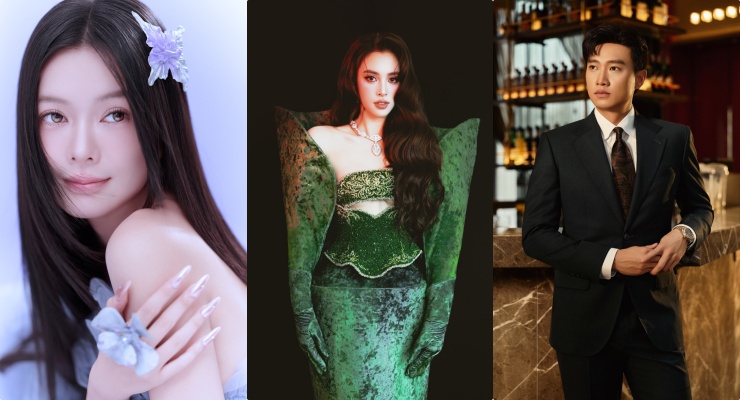
Many opinions expressed that Miss Tieu Vy is still poor in rhetoric, reading lines lacks emotion. Facial muscles have not flexibly revealed the character's emotions... In your role, can you share your own impressions and thoughts about the cast participating in "Oc muon hon"?
I think when a movie is released, the appearance of different opinions about acting is completely normal. And that is also the right of the audience.
However, as a director, I always look at a role in the overall picture. When choosing Tieu Vy for the role of Ngoc, what I am looking for is not an actor who can show off strong emotions or create too dramatic scenes. What I need is a character that makes viewers always feel something unpredictable, both fragile and mysterious, and makes the audience want to continue to observe.
That's what Vy has done.
During the filming process, there were many scenes where I proactively asked Vy to be more restrained instead of pushing emotions higher. Because the nature of this character is someone who always hides something inside. I think if you act too clearly, too directly, you may sometimes lose the interest of the character.
Of course, Tieu Vy still has a long journey ahead with acting, just like any other actress. But what makes me satisfied is that Vy has brought a unique color to the character. After the first screenings, many viewers debated about Vy's character, whether to love or hate, sympathize or doubt. For me, that is a sign that the character has truly created a connection with viewers.
The most important thing about a role is not to make everyone praise you, but to make the audience remember that character after the movie ends. And in that aspect, I think Tieu Vy has completed her role quite well.
With "Oc muon hon", he takes on the position of director and screenwriter. When watching the film, audiences praise the storytelling style with "twists on top of twists". These are also major changes in director Dinh Tuan Vu's storytelling style. For you, do you consider "Oc muon hon" as a step of your change, when the film is having a new market approach?
I think yes, and that's a deliberate change.
Before, I was often more interested in what I wanted to tell. But now, I am more interested in how the audience will experience that story.
In the process of developing the script of "Oc muon hon", I always asked myself a question: how to make the audience not only watch a story, but also actively participate in it? How to make them constantly ask questions about the character, about their motives, about what is really happening and then have to look back at everything in a different way when the movie ends.
The twists in the film are not created just to cause surprise. What I am more interested in is that after each time the truth is revealed, the audience changes their perspective on the character. The person I once loved can become more scary. The person I once blamed can become more pitiful. That is what interests me.
If there is a change in my way of making films, it is probably that I increasingly believe that cinema should not just be the journey of the storyteller. It must also be the journey of discovery of the viewer.
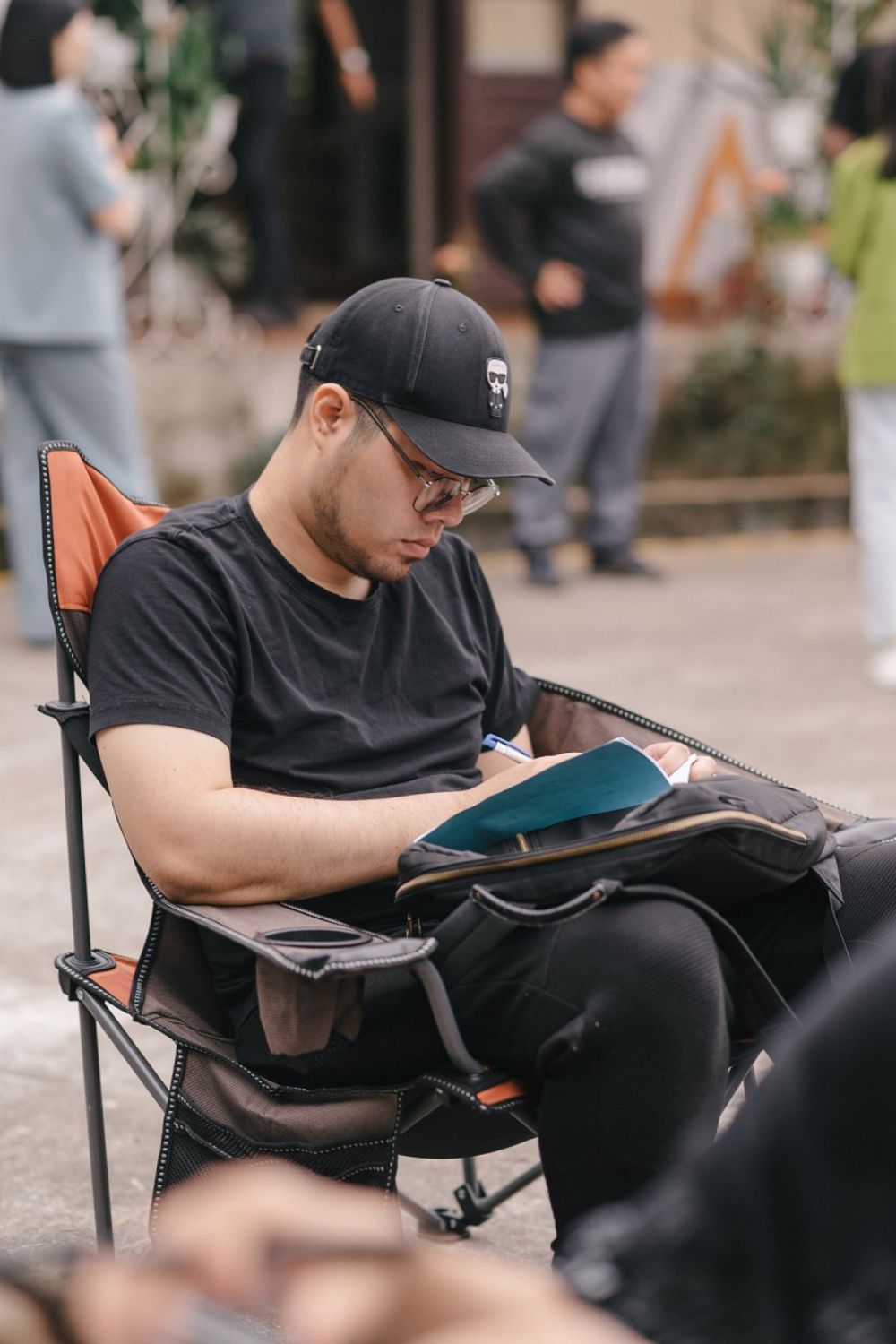
On your journey, to describe the maturity through each project, how would you describe it?
I think each film is like a milestone of a stage of maturity for the director.
Looking back at the first works, I see a lot of enthusiasm, many dreams and sometimes there is also the stubbornness of youth. I want to say many things and want to put many of my thoughts into the work.
Later on, I understood that cinema does not always need answers. Sometimes a good question is worth more than a complete explanation.
If I have to describe my biggest change, I think it is learning to listen. Listening to colleagues, listening to the audience and also listening to what I myself want to discover.


