
According to Korea Times, Kpop concert ticket prices are constantly escalating, changing the way fans participate in fandoms. Experiences that were once considered expensive but still accessible, are now gradually getting out of reach of many people.
In October last year, the "Walk the line" concert of the male group ENHYPEN opened ticket sales with the Sound Check category - a premium package allowing entrance to the pre-show rehearsal - priced at 220,000 won; M&G tickets - meeting members directly before or after the show - were sold for 253,000 won; while regular tickets were 165,000 won.
Compared to the group's 2024 concert, M&G's ticket price increased by 27%, while Sound Check and regular tickets increased by about 11% - significantly higher than the average inflation rate, even considering the general increase in consumer prices.
For many fans, this increase is too sudden. Kim, a fan over 20 years old of ENHYPEN, said: "Being a Kpop fan has never been cheap. But many people go to work, save money and give up other needs just to have a chance to meet their idol.
When ticket prices increased so sharply, many people had to give up. It feels like the fandom is gradually becoming a privilege for the rich.
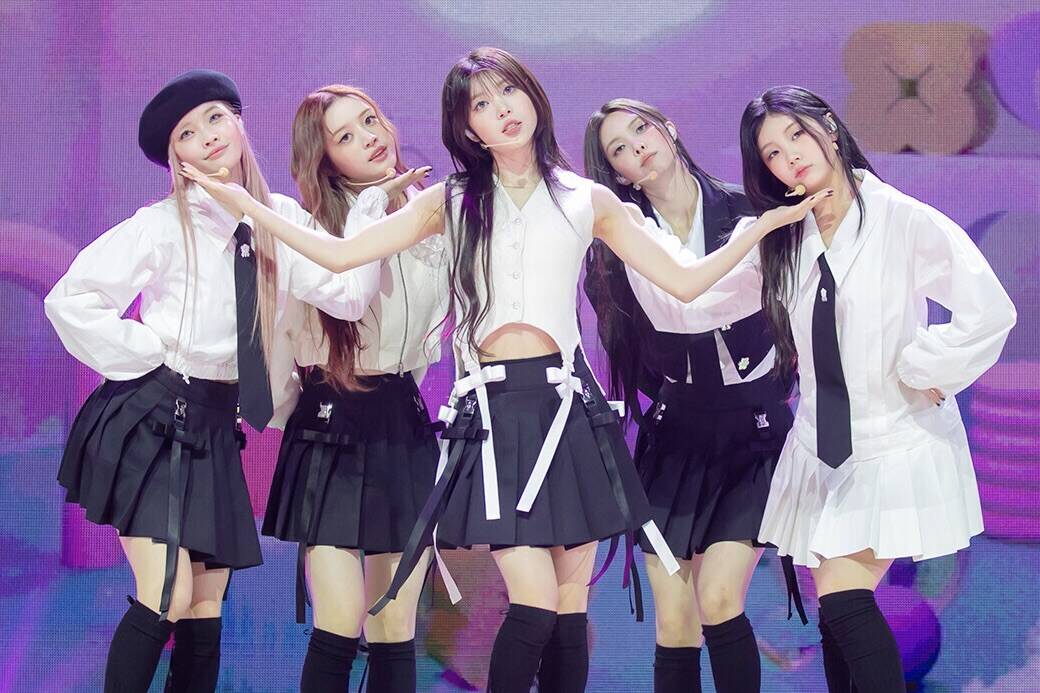
A similar reaction appeared when the rookie group ILLIT announced their tour in Korea in March. Ticket prices were set at 253,000 won for M&G, 220,000 won for Sound Check and 165,000 won for regular tickets - a number that many fans consider too high for a fairly new group.
Just 4 months before that, ILLIT held a fan-concert at the Olympic Hall (Korea) with M&G tickets priced at 154,000 won and regular tickets priced at 110,000 won. The increase of nearly 100,000 won in a short time sparked a wave of criticism about the escalating speed of Kpop event ticket prices.
Top artists are also following a similar trend. BTS's "Arirang" concert is scheduled to take place from April 9-12 at Goyang Stadium (Korea), with ticket prices of 260,000 won for the area near the stage and 198,000 won for regular tickets.
Despite the high price, tickets were quickly sold out thanks to the special meaning of BTS's first concert performing in full squad after military service.
Blackpink's recent tour also caused controversy when the highest-end ticket exceeded 270,000 won. Jennie's solo concert in March last year created similar controversy, with ticket prices ranging from 143,000 won to 220,000 won for a performance lasting about 70 minutes.
Although concerts are still "sold out", the continuous increase in prices has made the financial pressure on fans increasing. Once ticket prices have increased, they rarely decrease, and "new price levels" often quickly spread throughout the industry.

Industry insiders said that increased costs are part of the reason: location rental fees, production costs, stage building and labor are all higher; remuneration for artists has also increased sharply since the COVID-19 pandemic, making it difficult to maintain low ticket prices.
However, critics argue that cost inflation alone is not enough to explain the current Kpop concert ticket pricing model.
In Kpop, where fandom is closely associated with the success of artists, concert ticket sales are of great symbolic significance. This creates a system where companies can increase prices, with the expectation that loyal fans will eventually still accept it.
Major global tours also have premium tickets exceeding 200,000 won. However, the difference lies in the way ticket prices are stratified.
Concerts by international artists often offer various ticket scalings, including low-priced tickets, to broaden audience reach.
For example, the concert of singer and rapper Doja Cat in Goyang (Korea) last December had the highest ticket price P of 250,000 won, followed by R with 220,000 won, S 178,000 won, A 132,000 won and B 99,000 won, creating more choices for the audience.
Another controversial point is whether the performance quality is worth the ticket price or not.
In Korea, large, quality concerts often have VIP ticket prices from 160,000 to 19,000 won. Meanwhile, many concerts of idol groups that depend largely on background music or pre-recorded singing have equivalent prices, even higher, making fans disappointed because they expect a complete live singing experience.
An official in the industry warned that being too dependent on popularity to maintain high ticket prices carries many risks.
If companies continue to rely solely on fame, it could fatigue fans and weaken the Kpop market. Instead of just focusing on grandeur, the music industry needs to think more seriously about how to create a truly valuable live experience," he said.


