The 40-second promotional video for the superhero movie "Spider-Man: Brand new day" with the appearance of "Spider-Man" Tom Holland and football superstar Lionel Messi has surpassed the 30 million views mark after more than 1 day of posting on X.
This is one of the most prominent promotional campaigns of "Hollywood giant" Sony Pictures this year.
Fans continuously called this combination a "dream collaboration", and even commented that Messi "saved viewers for Spider-Man". Positive feedback and high level of interaction show that the campaign has created a strong global spread.
With about 6 billion people expected to access, watch and interact with the tournament, FIFA World Cup 2026 has gone far beyond the framework of a football tournament to become the "marketing stage" with the most fierce competition on the planet.
A series of large brands in fields such as fashion, beverages, technology, and film have invested heavily in communication campaigns related to the World Cup, with core cooperation faces being football players and stars around the world.
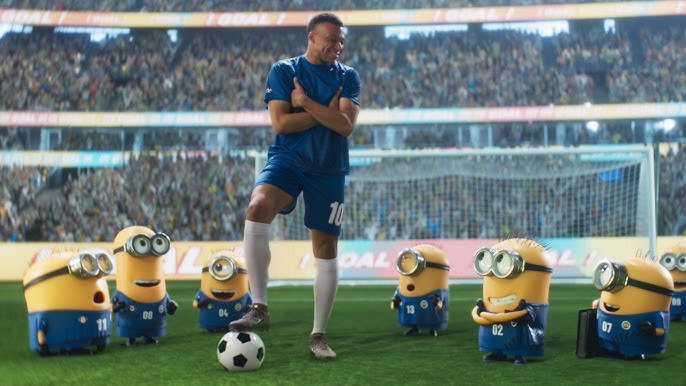
Before Sony Pictures, animation studio Illumination released the introduction "Minions and Monsters" right on the opening week of the 2026 World Cup, in which Kylian Mbappé was included in the promotion campaign to benefit from the number of viewers of the tournament.
For the fashion industry, the 2026 World Cup may be the biggest fashion week in history, a rare opportunity to increase brand recognition and storytelling, connecting emotions with consumers on a global scale.
Nike is one of the brands with the largest and most ambitious campaign of the tournament.
This brand has built a 12-week content ecosystem, combining social networks, short films, celebrities and football stars such as Cristiano Ronaldo, Erling Haaland, Kylian Mbappé, Kim Kardashian, Travis Scott, Lisa (Blackpink)...
Besides, the biggest difference of the 2026 World Cup compared to previous tournaments lies in the way luxury brands are present.
Previously, the popular model was "companiment": a watch brand appeared on the timetable, or launched an advertising campaign at the time of the final match.
But in 2026, the model has become a defining identity. Loewe not only sponsors the Spanish national team, but also directly designs costumes for the team until 2030, with the Anagram logo embroidered inside the sleeves, turning official costumes into a long-term product platform.
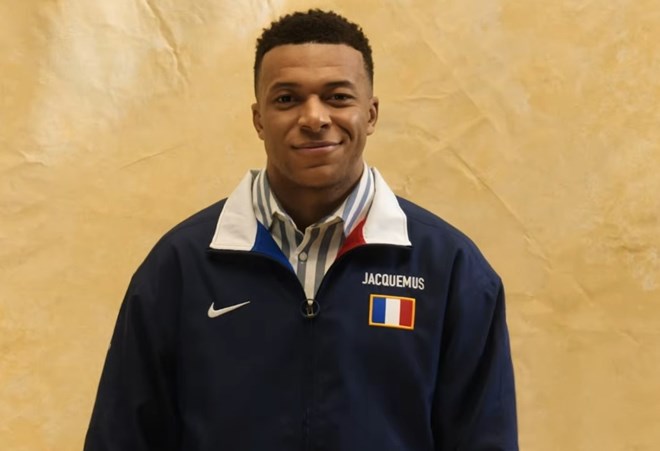
Jacquemus does not advertise around the French team, but lets the players wear the striped shirt he designed before entering the field.
Palace cooperates with Nike to design pre-match uniforms for the England team; Willy Chavarria cooperates with Adidas for the Mexican team; and Drake's NOCTA brand is in charge of the co-host team Canada.
In other words, brands no longer buy media space at the World Cup, but directly create the image and visual culture of the tournament itself.
In the digital age, the role of players has changed. Currently, they are not just stars in the football world, but also "fashion icons, lifestyles", "brand ambassadors", "people with global influence"...
Images of players coming to training grounds, attending fashion weeks or participating in advertising campaigns are closely followed by the media no less than their performances on the field.
The 2026 World Cup is being seen as a "golden opportunity" for brands to become a part of cultural experiences, instead of just appearing in the form of billboards.