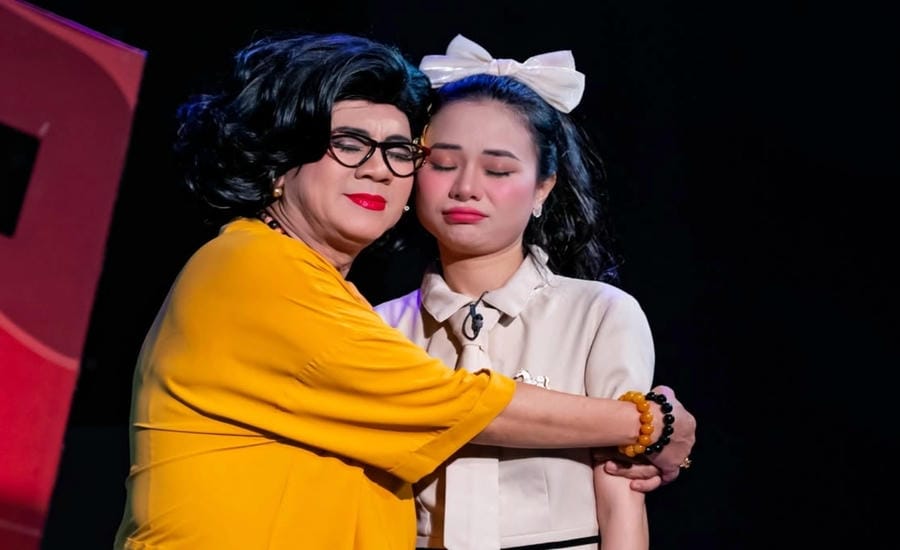
When the stage must proactively find audiences
Vietnamese theater is still vibrant, especially in Ho Chi Minh City with about 90-120 new plays each year. However, in the face of competition from digital entertainment platforms, theaters find it difficult to expand audiences if they just wait for viewers to come.
Musical theater is a typical example. Musical theater requires multi-talented actors, long rehearsal time and high costs. While the audience is still limited, producers are cautious about investing, making this type of art difficult to form a habit of enjoying.
According to Jay-Thien Nguyen, founder of Impact Theatre Saigon, musicals are still considered by many to be academic and distant. Therefore, experiments such as 360-degree stages or performances at Ben Thanh Metro station help this art become closer to the public, increasing experience and interaction.
Performances in public spaces help the stage proactively reach new audiences. However, form innovation is only effective when it is associated with artistic quality; if there is a lack of depth, the work is difficult to retain viewers.
Therefore, the core is still quality and closeness. Developing pure Vietnamese musicals with stories, language and close psychology can help the stage reach audiences, while creating attraction for them to return.
From a play to a cultural industrial ecosystem
If finding audiences is an immediate problem, building a sustainable theater market is a long-term challenge.
Recent movements show that many units have begun to change their thinking. In Hanoi, "Ha Thanh Cheo Charm" is built as an art product with the ability to perform periodically, serving the public and tourists. In Ho Chi Minh City, the Ho Chi Minh City Theater Association for the 2026-2031 term aims to consolidate the Small Stage Drama Theater into an experimental, training and development center for new works.
Theater needs to extend the life of works through publication, adaptation, franchise and connection with tourism, education, and technology. This is a shift from "making a play" to developing cultural industrial products.
Director Duong Minh Giang pointed out that one of the bottlenecks of the theater is the thinking of waiting for budget orders that still exists in a part of art units. Meanwhile, the current market requires producers to proactively research audiences, media, build brands and organize professional ticket sales.
Along with that is the human resource problem. Theater needs young directors with new thinking, screenwriters with the ability to create attractive stories, professional producers and technical teams that meet modern technology. Without these links, a well-invested work is still difficult to create a brand.
People's Artist Tran Ngoc Giau assessed that it is necessary to change the view of state support, in the direction of investing in the spiritual life of the public instead of just subsidizing art units. When audiences have more conditions to go to theaters, theaters will have resources to continue to create.
In that process, preservation and innovation are not two opposing choices. The Luu Quang Vu Drama Season 2026 is a testament. Works written decades ago can still touch today's audience because issues of happiness, responsibility, dignity and human choice are never old. The value of heritage is only truly maintained when it continues to live on stage and dialogue with the present.
The fact that Meritorious Artist Thanh Loc is preparing to launch the Thanh Loc Drama Troupe after the Thien Dang stage closed also shows the persistent vitality of professionals. More importantly, according to artists, it is necessary to give opportunities to young people so that they can gradually inherit the stage.
Vietnamese theater is therefore facing a turning point. The challenge is not only how to have more good plays, but also how to make the audience want to watch, have the opportunity to watch and continue to come back.
From waiting for the public to the theater, the theater needs to proactively find the public. From ticket sales, it is necessary to move towards building brands. From simple preservation, it is necessary to turn artistic values into development resources.